
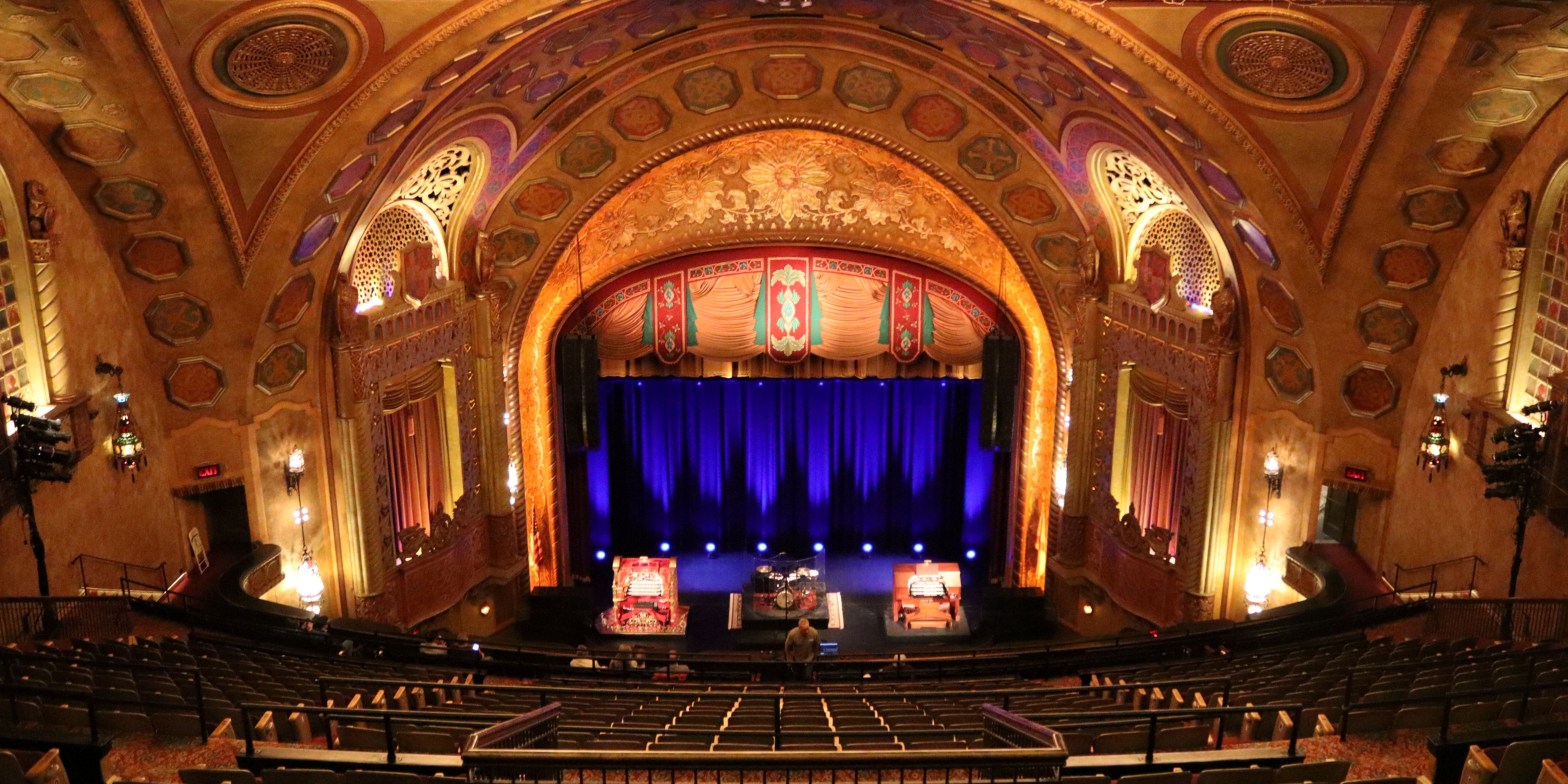
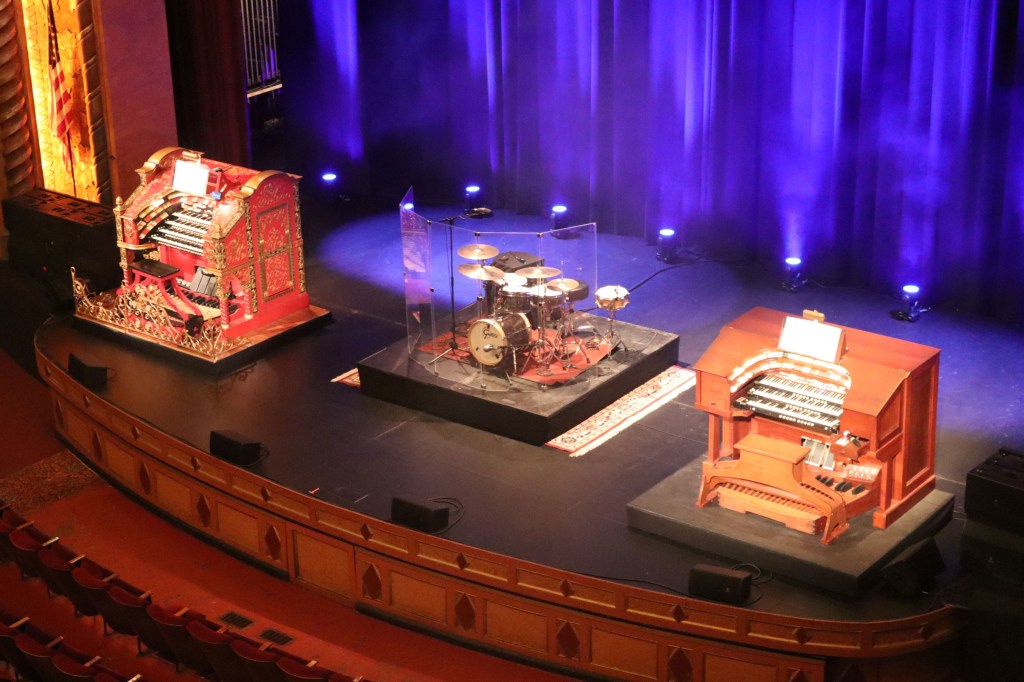
On Sunday, Mom and I traveled to Birmingham for “Double Take!” at the historic Alabama Theatre. Recently, the theatre’s organ console needed repair work, so a temporary replacement was installed. When the original console came back, the theatre was left with two organ consoles that could work simultaneously.
Sunday’s concert featured two organists (Nathan Avakian and Donnie Rankin) on these consoles. The concert featured a wide variety of music, from Gustav Holst to Dave Brubeck, John Williams, the Beatles, and Bruno Mars.
Before the concert, we got to look around the theatre and photograph its historic details. Thank you to Larry Davis for inviting us and showing us around!
Exterior
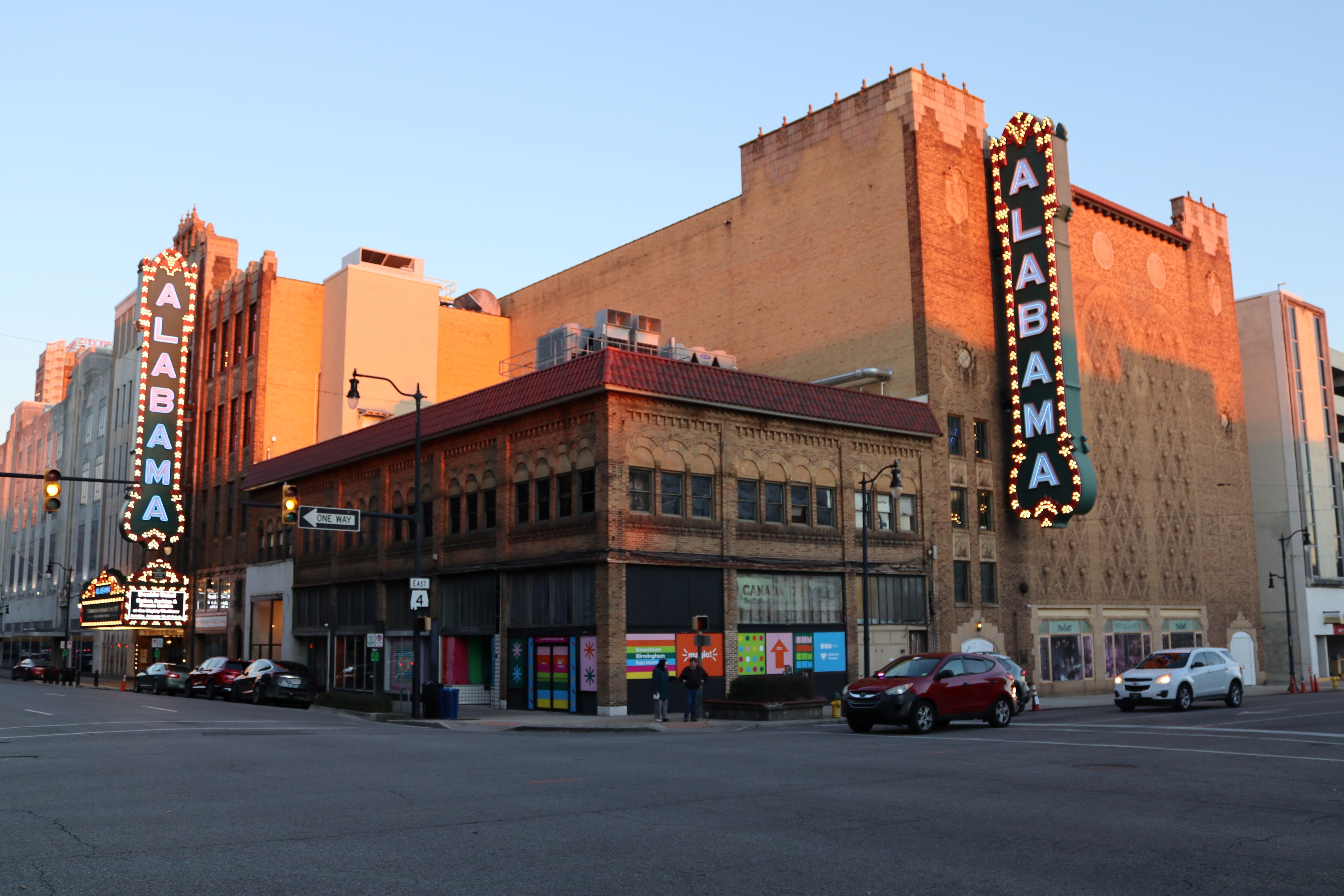
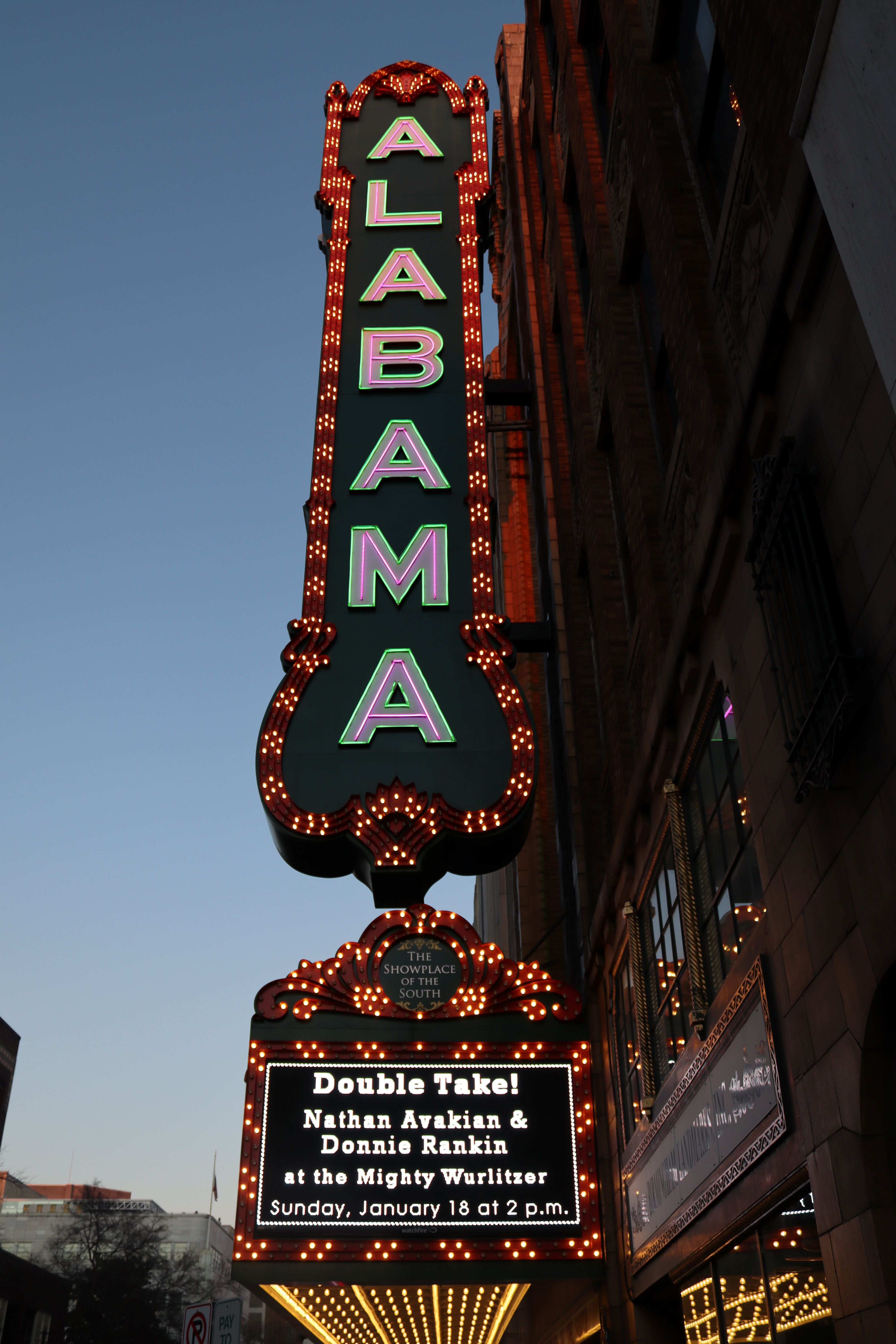
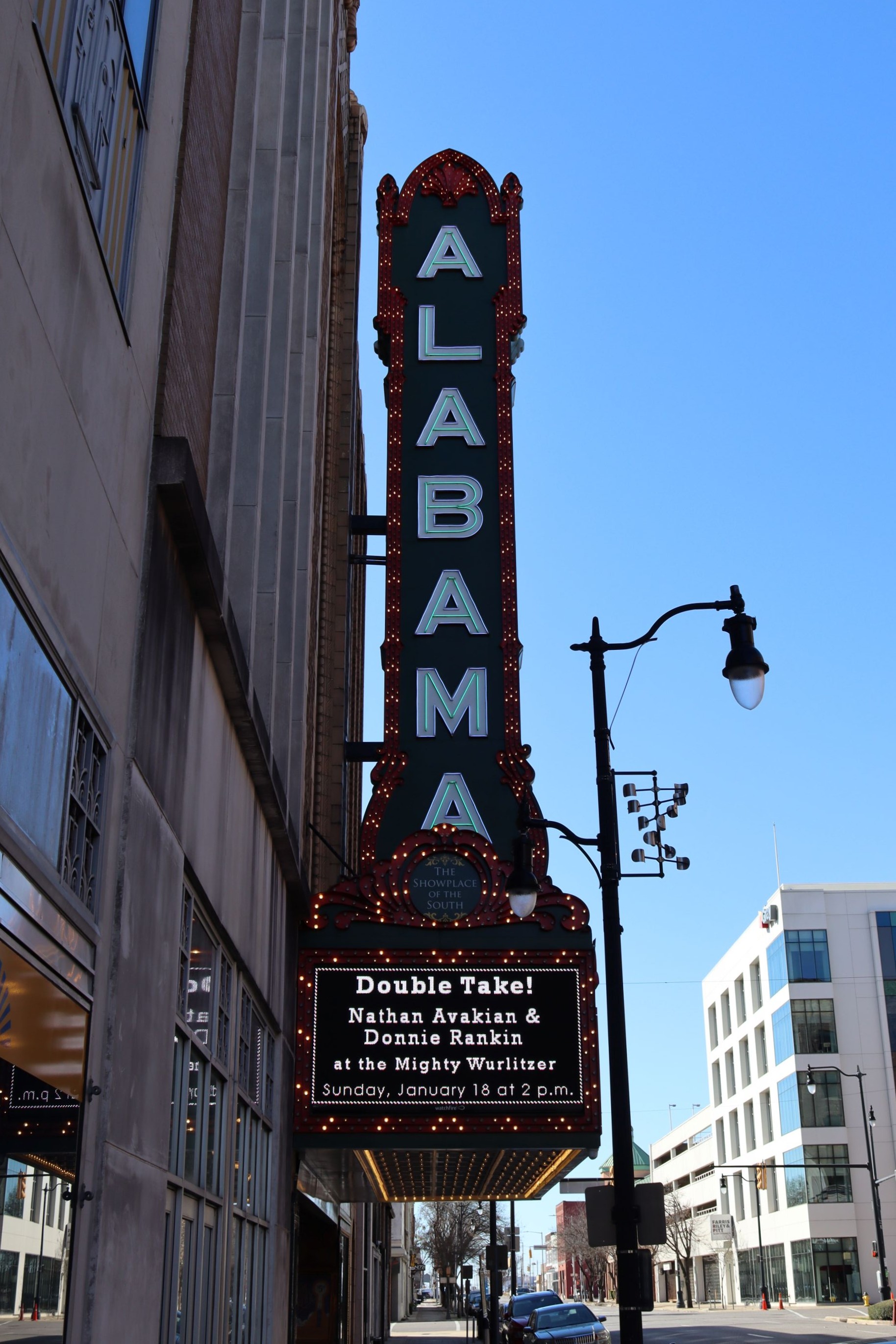
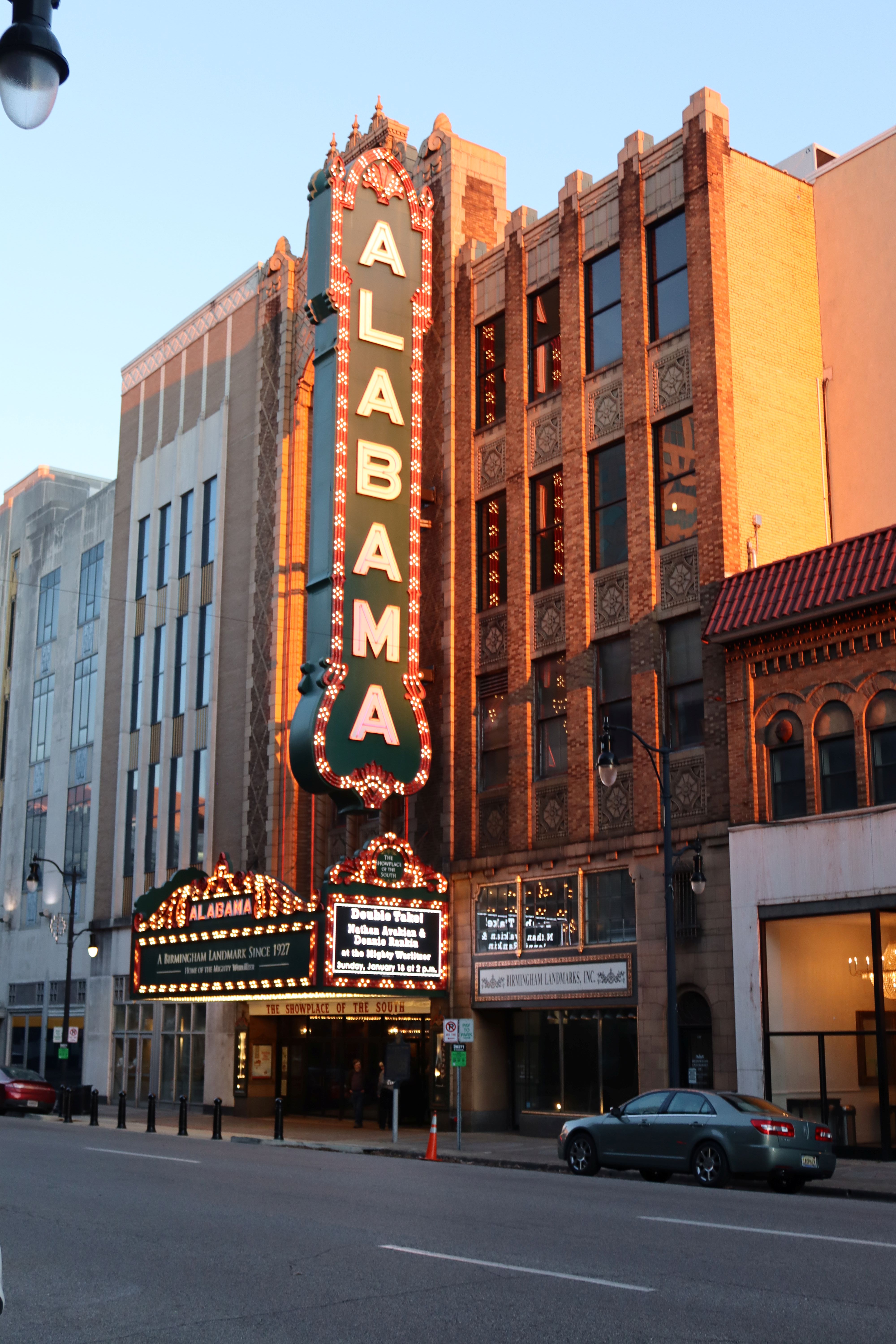
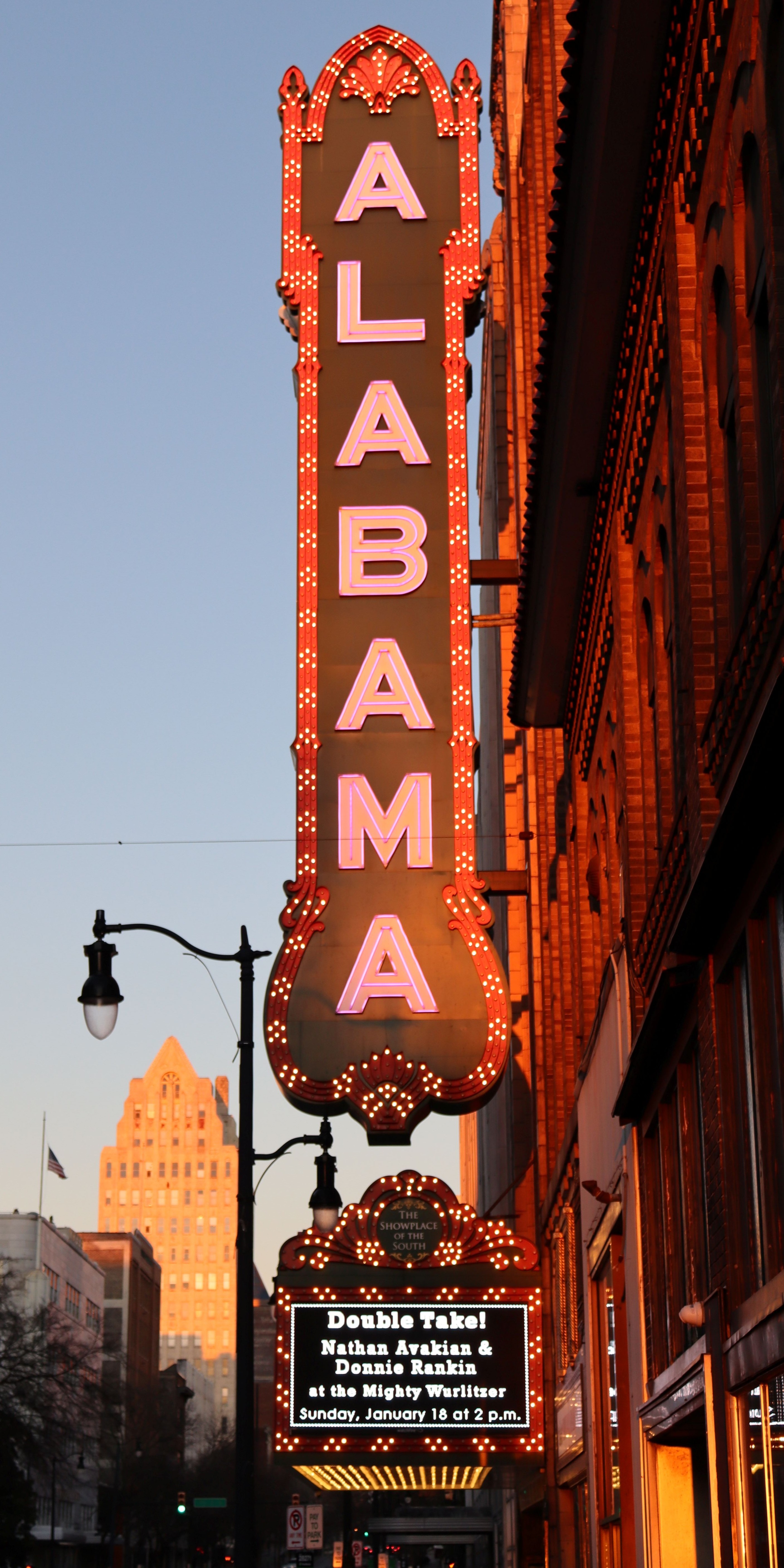
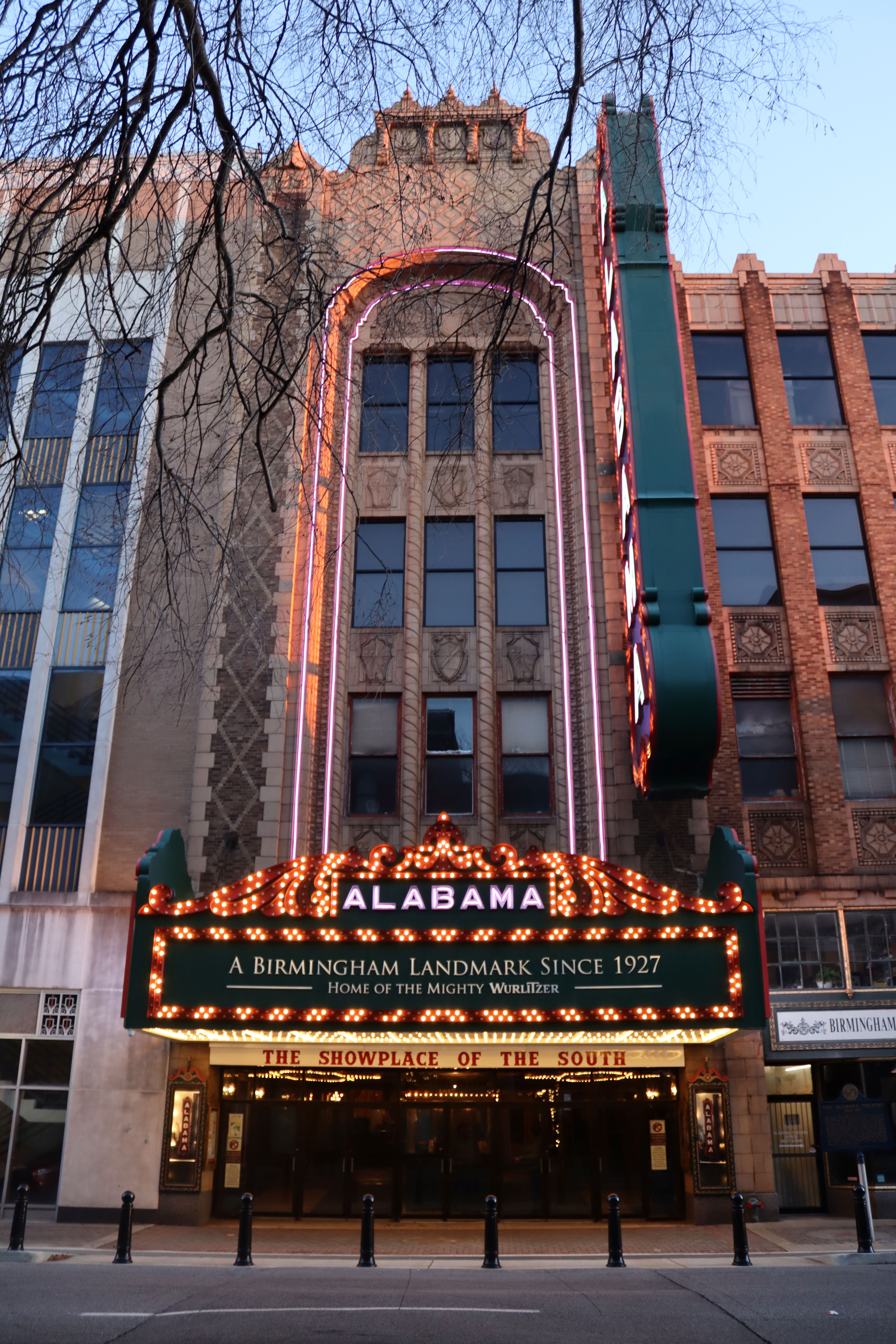
The Alabama Theatre is located at the corner of 3rd Avenue and 18th Street in Birmingham, on the same block as the McWane Science Center. The entrance is on 3rd Avenue, though large marquees can be found on both streets.
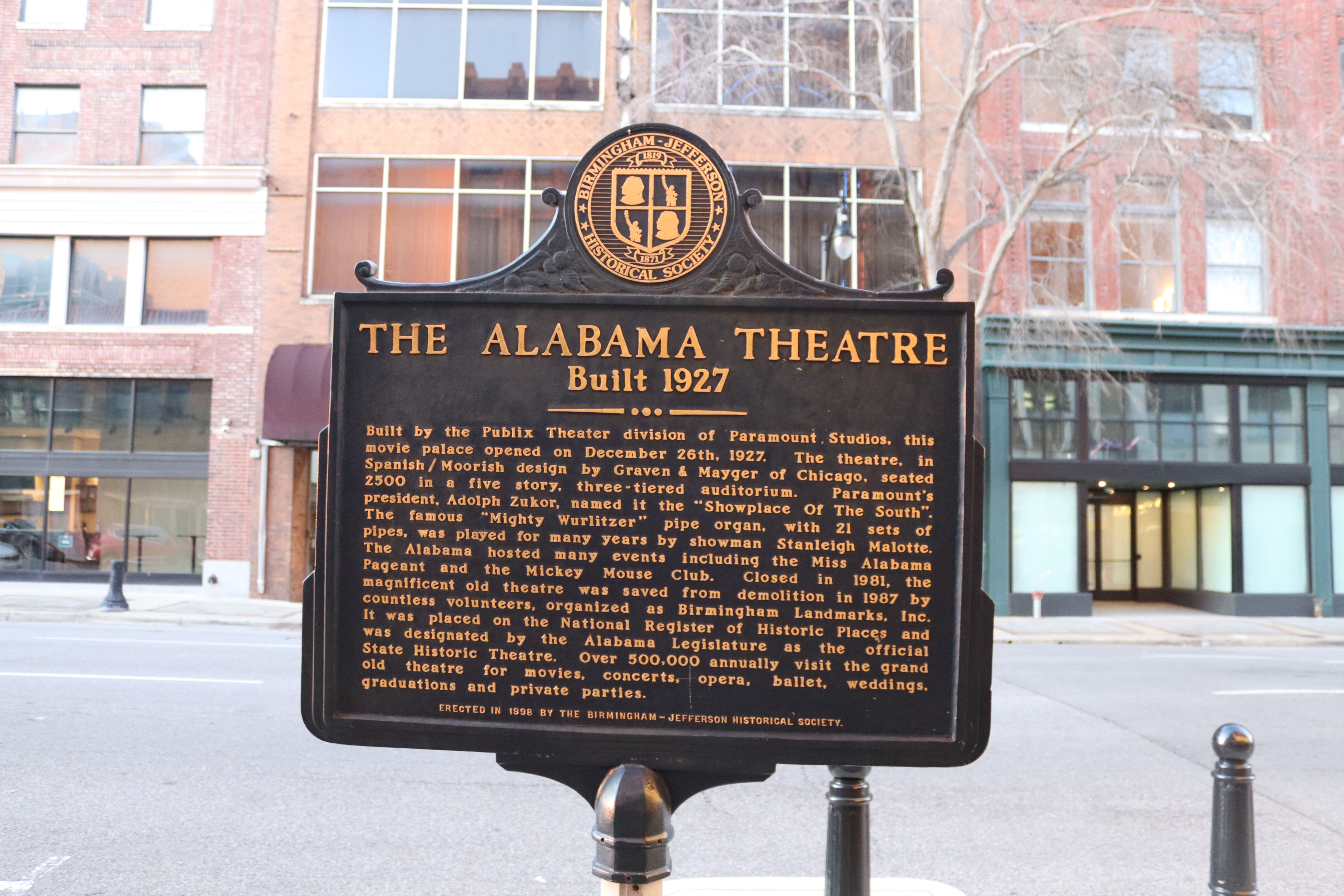
The Alabama Theatre was built in 1927 and was open until 1981. The company that owned the building owed almost $100,000 in back taxes and planned to tear down the building. The American Theatre Organ Society hoped to save the organ, but was told they could not remove the organ without acquiring the building. Inspired by the Save the Fox campaign in Atlanta, Birmingham Landmarks was formed to buy the building and restore it. It has since been returned to its original glory.
Lobby
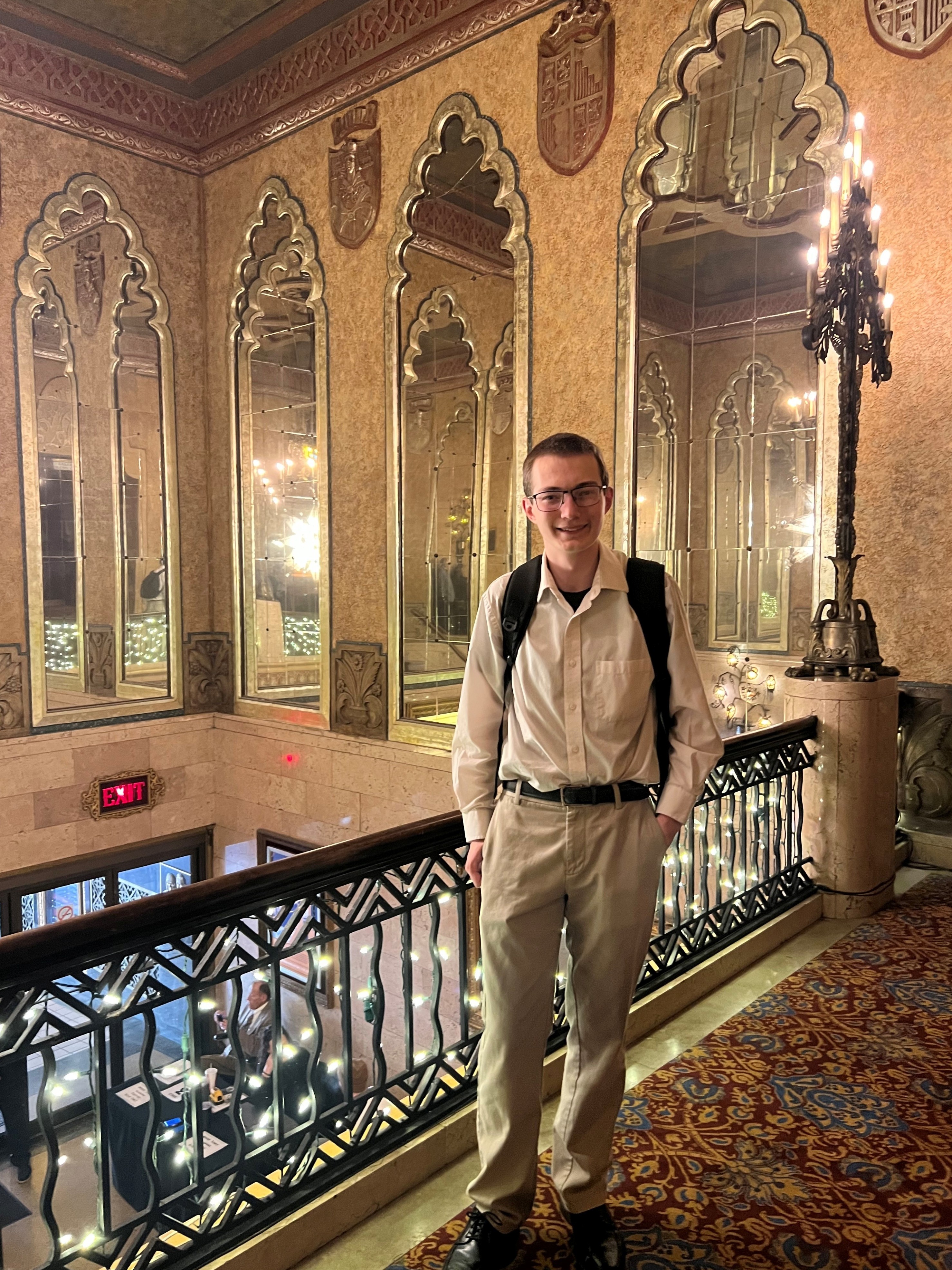
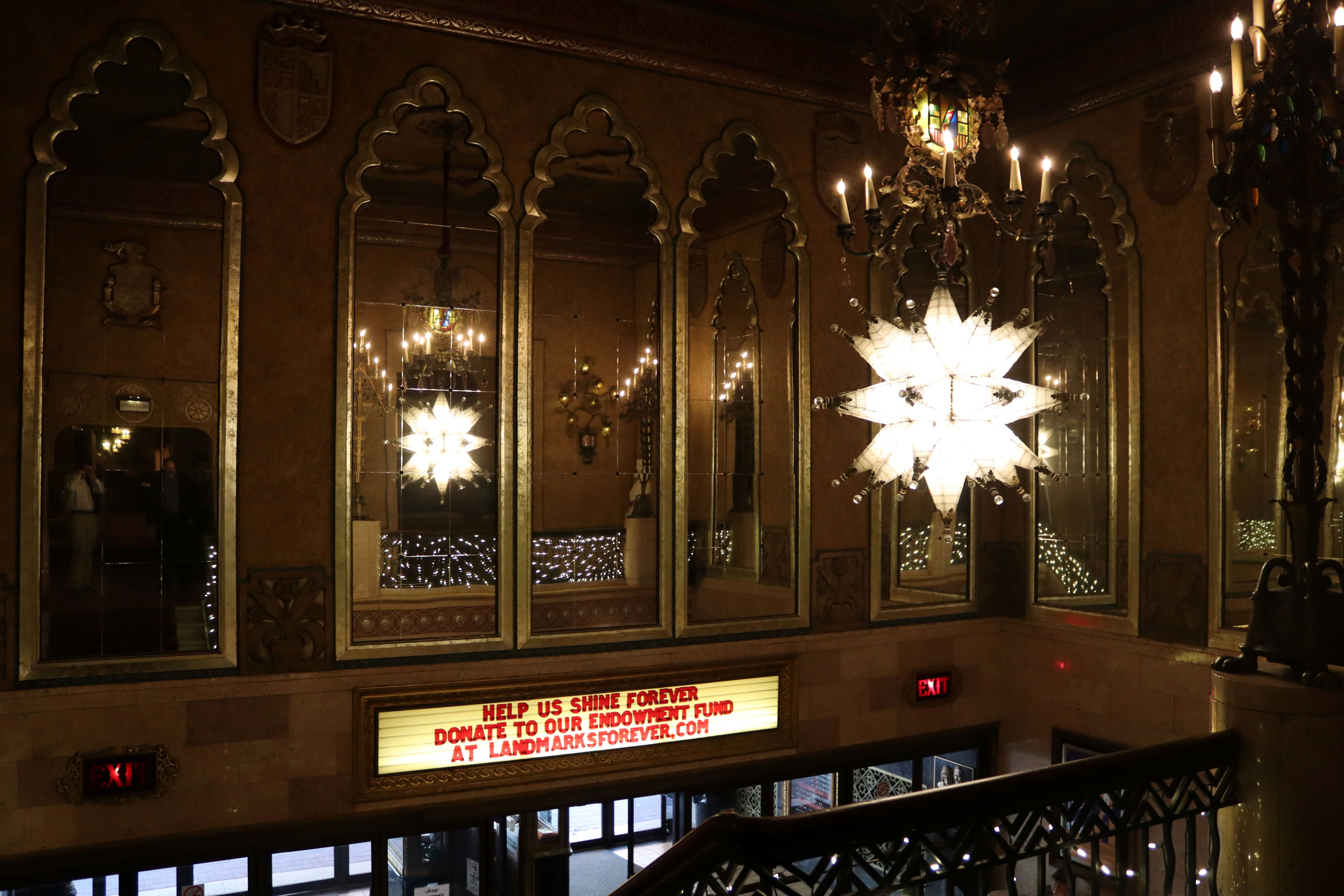
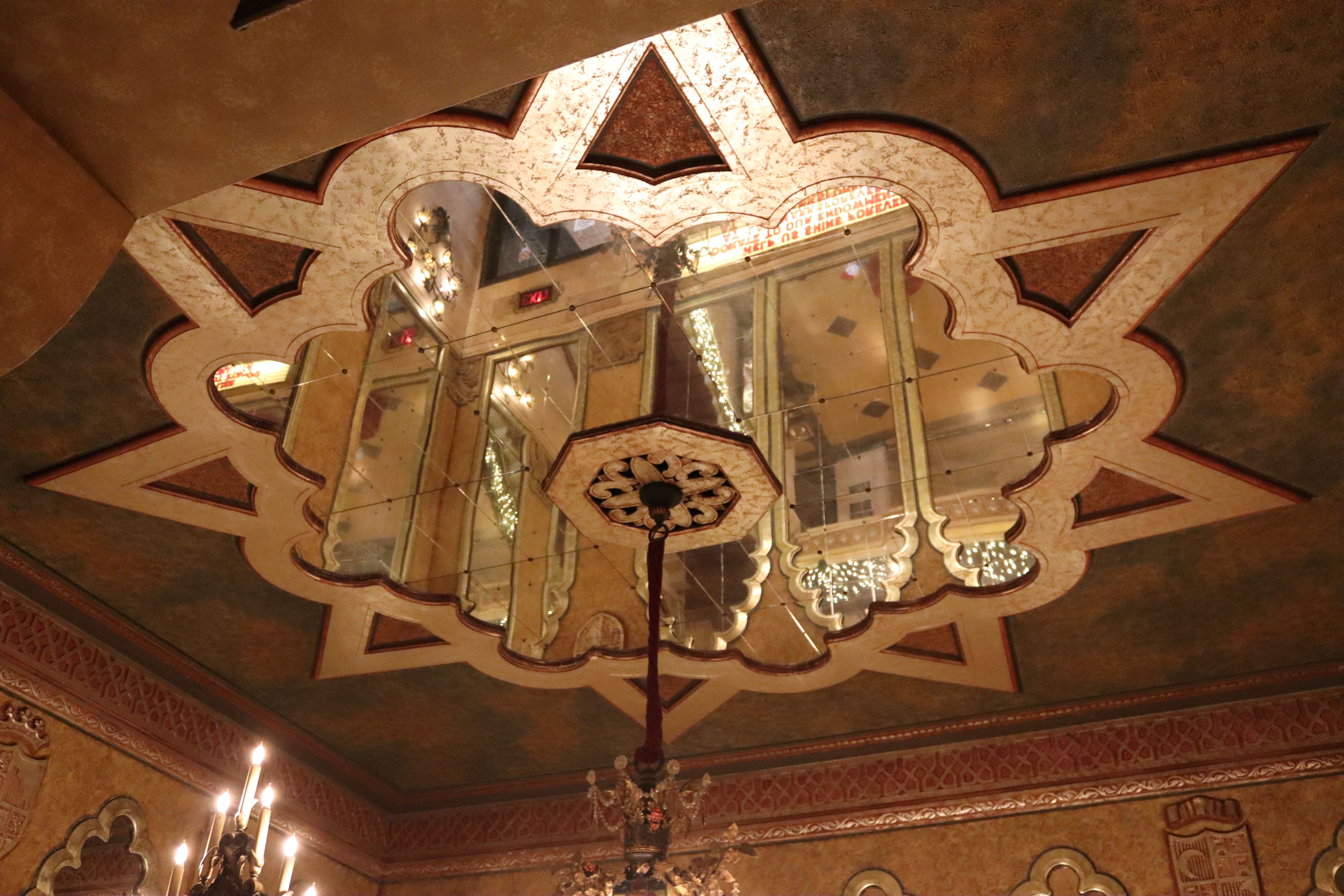
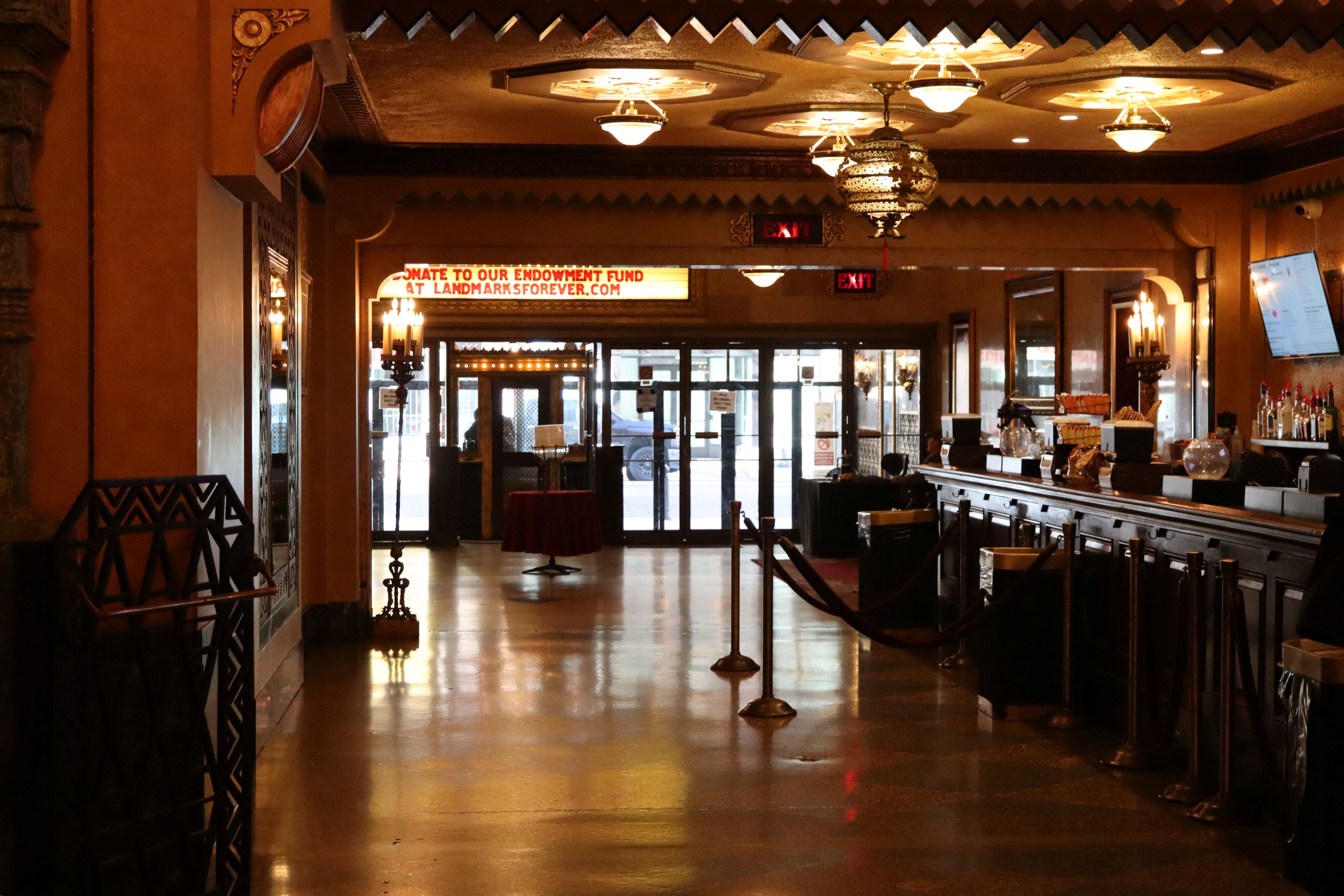
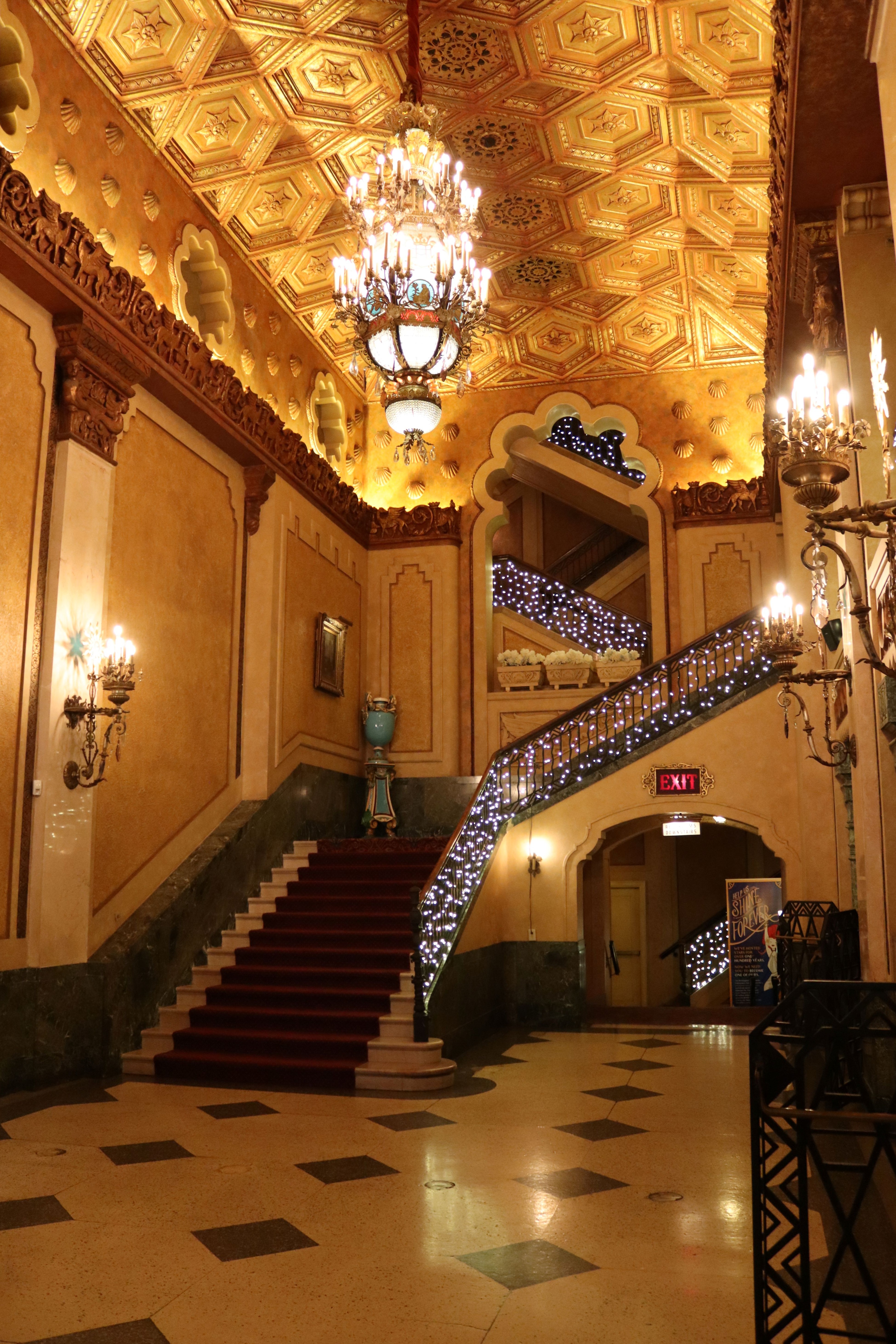
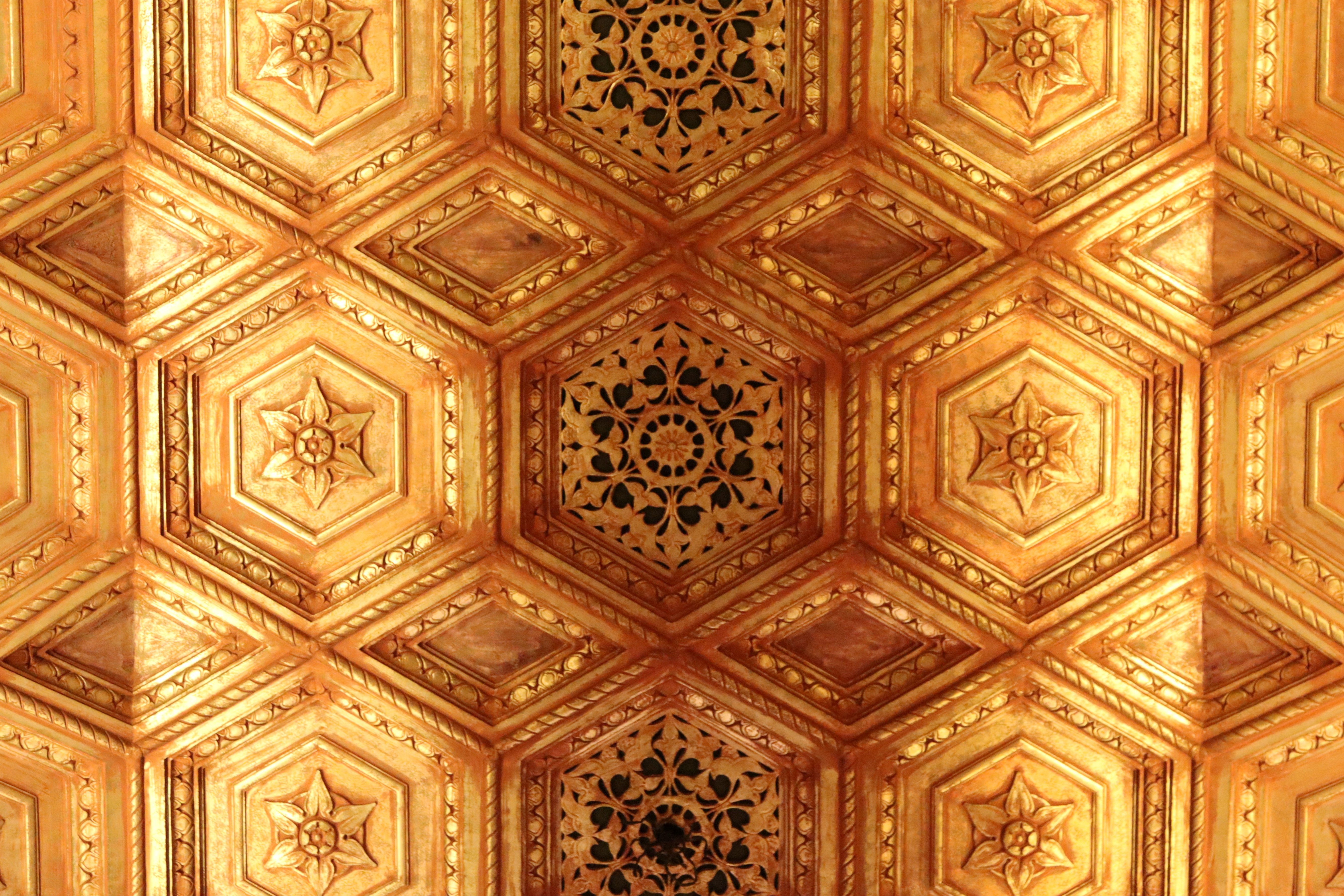
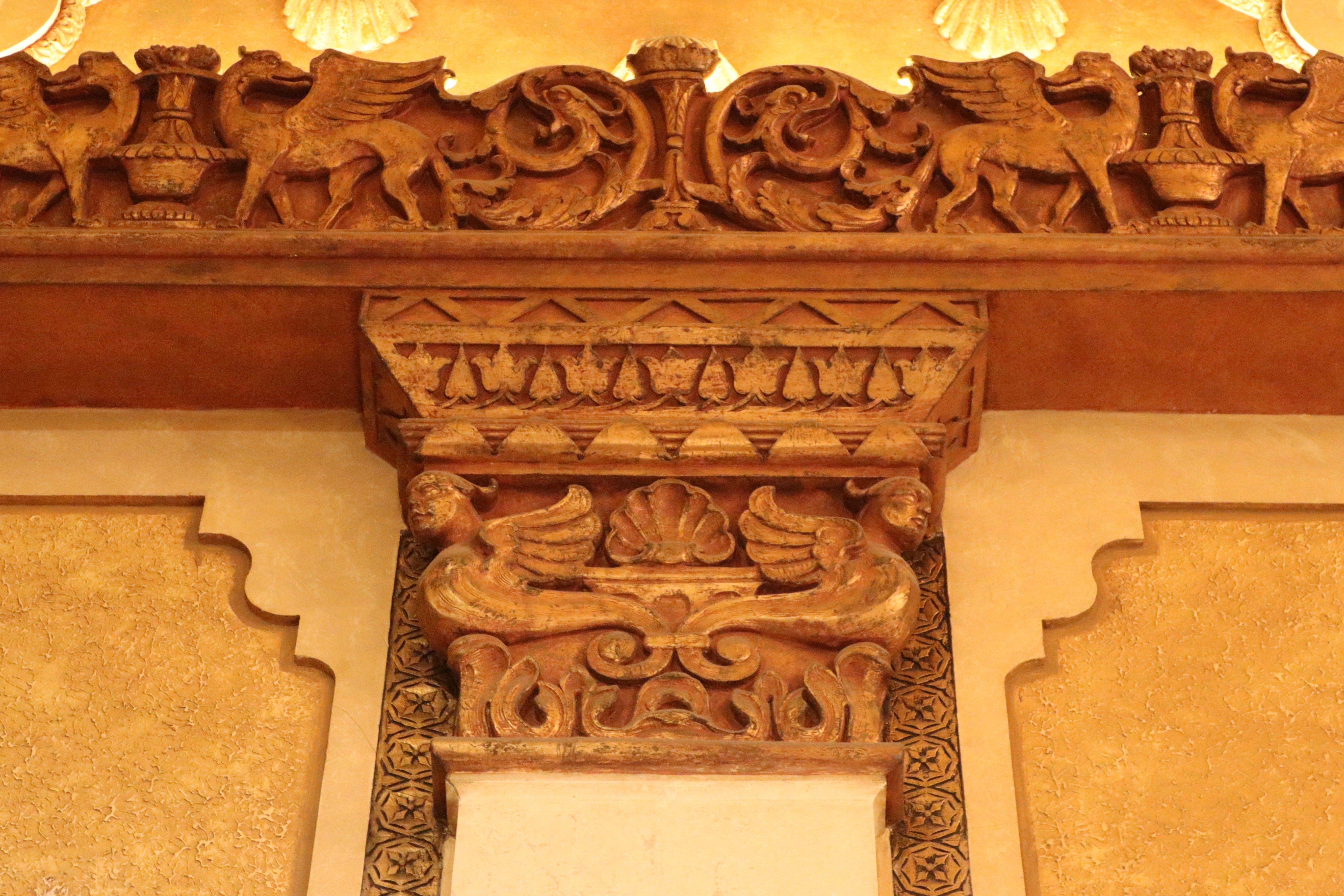
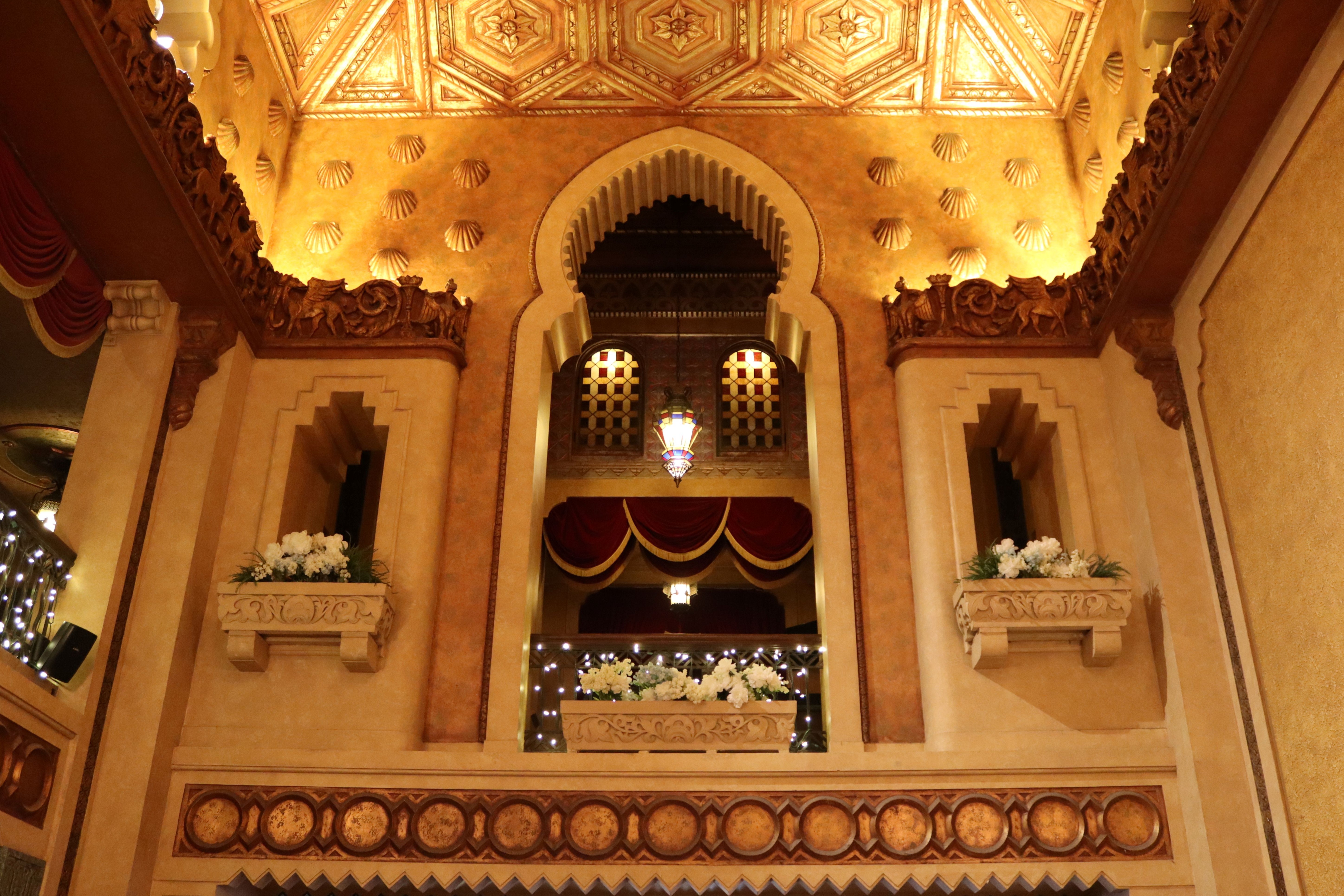
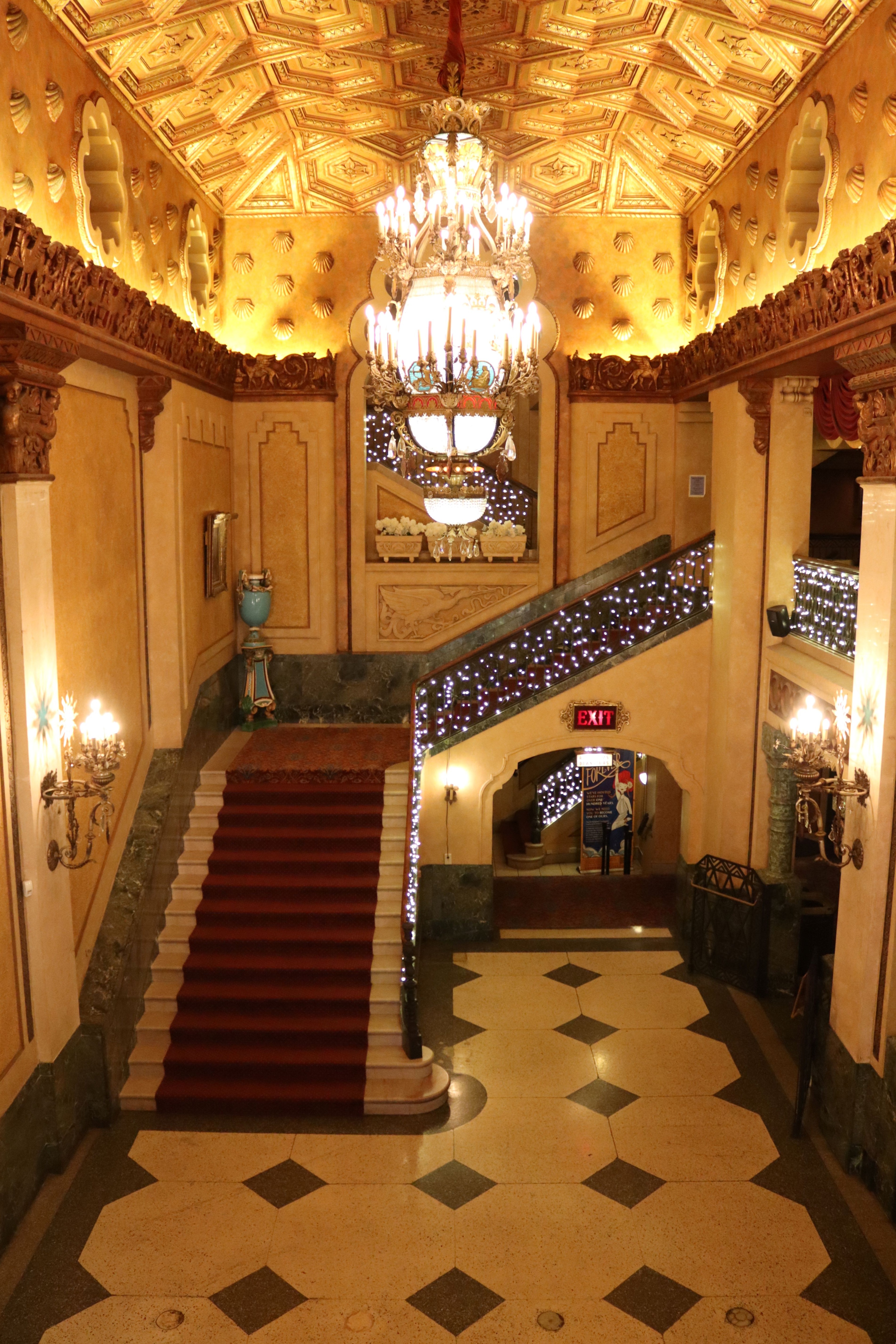
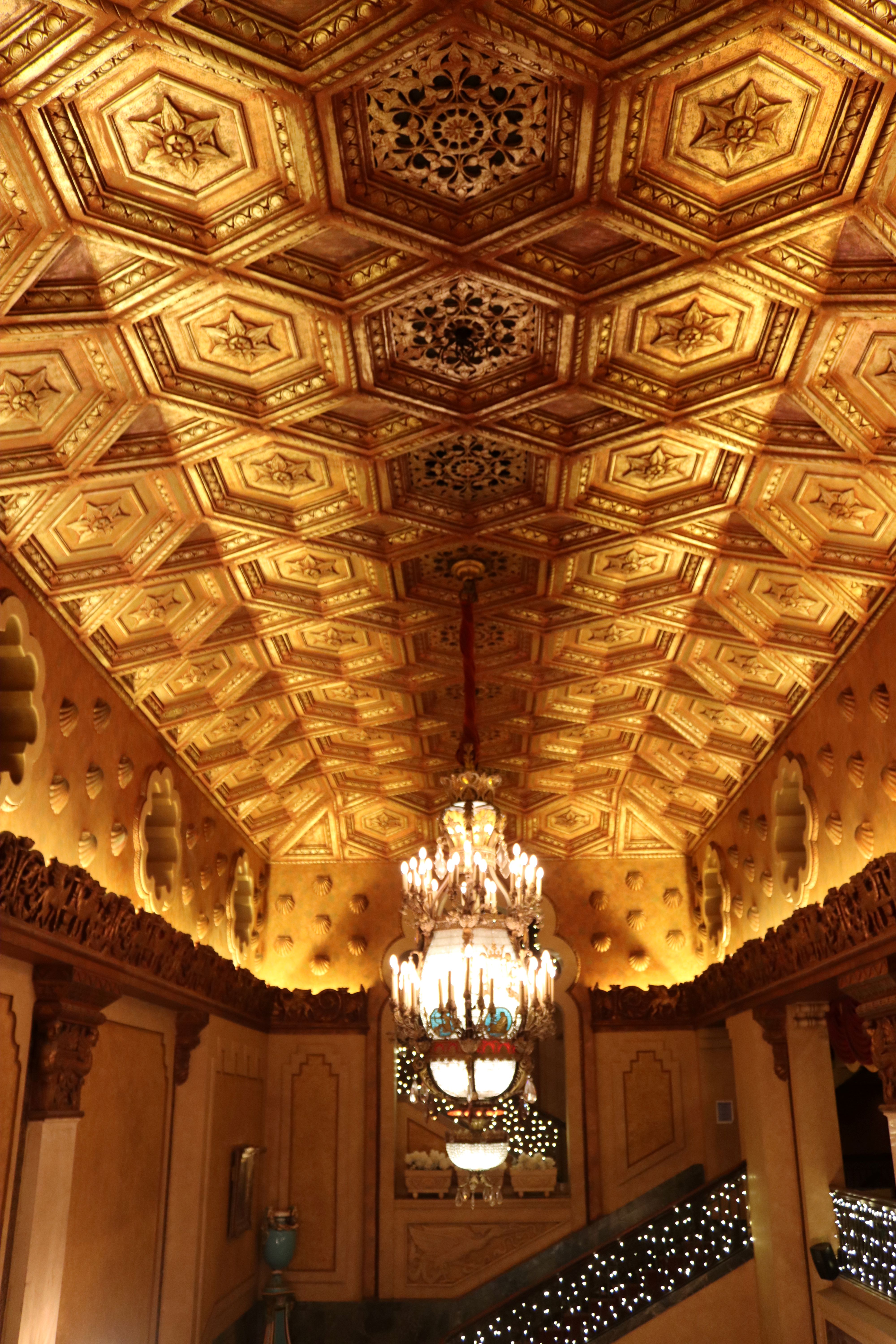
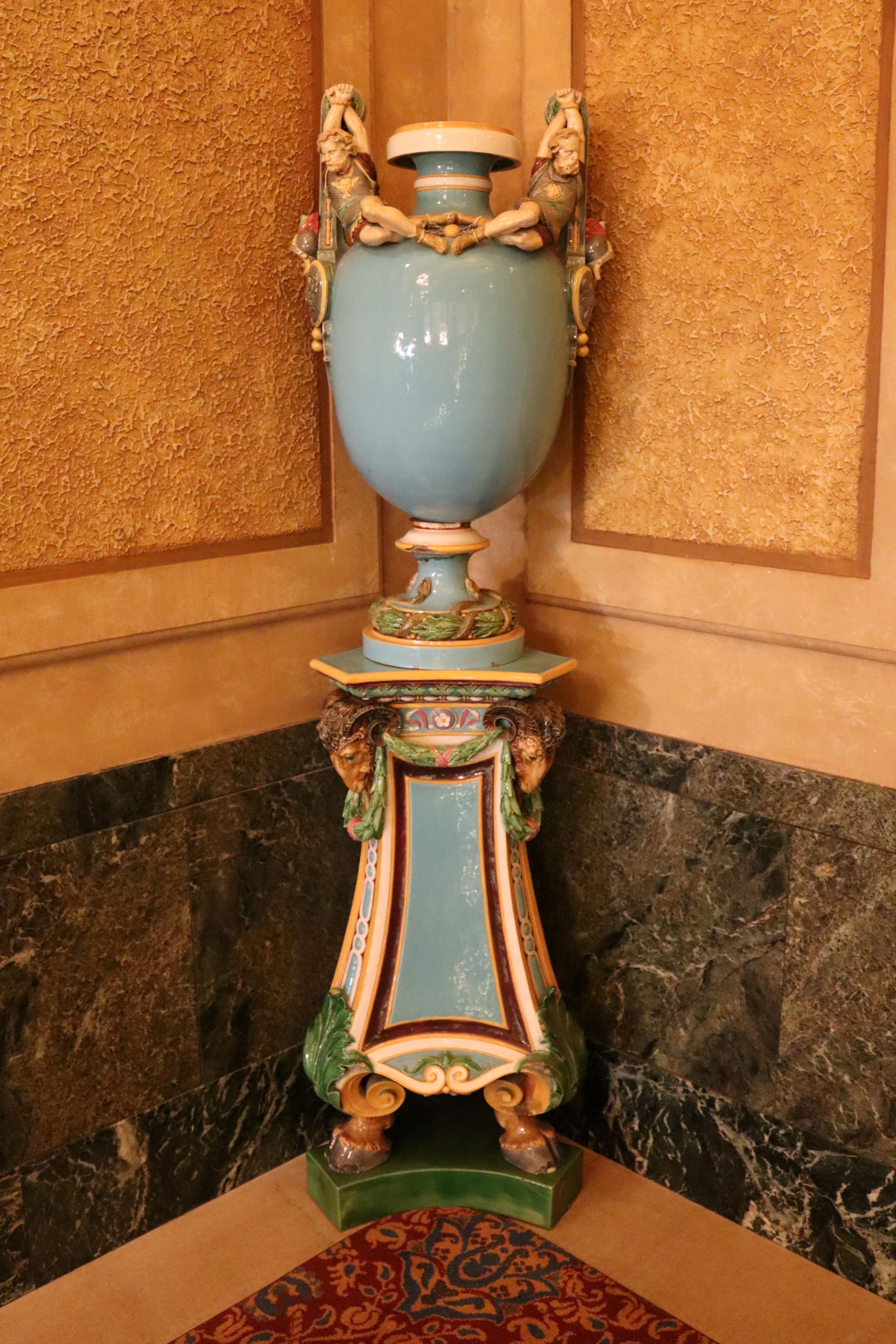
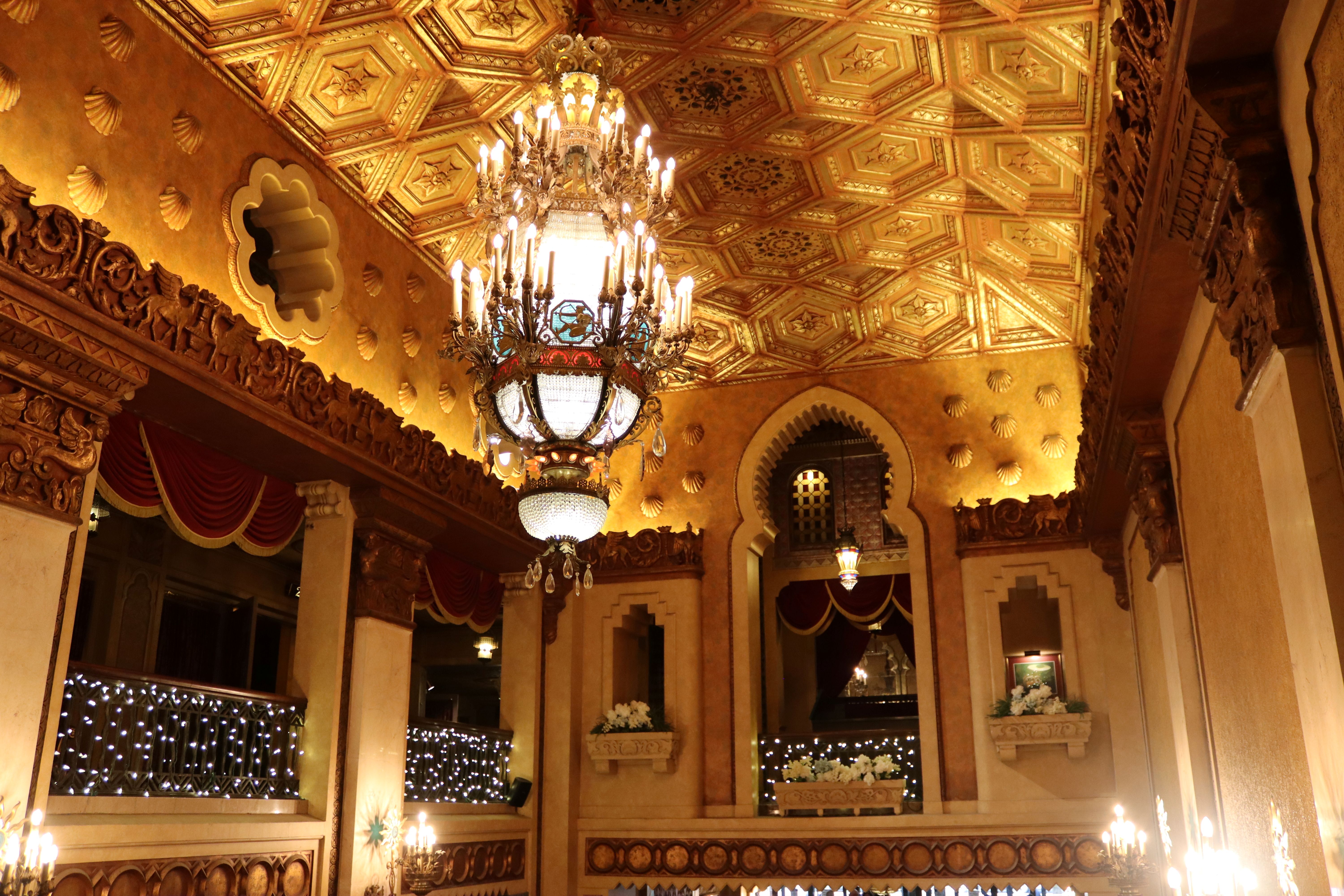
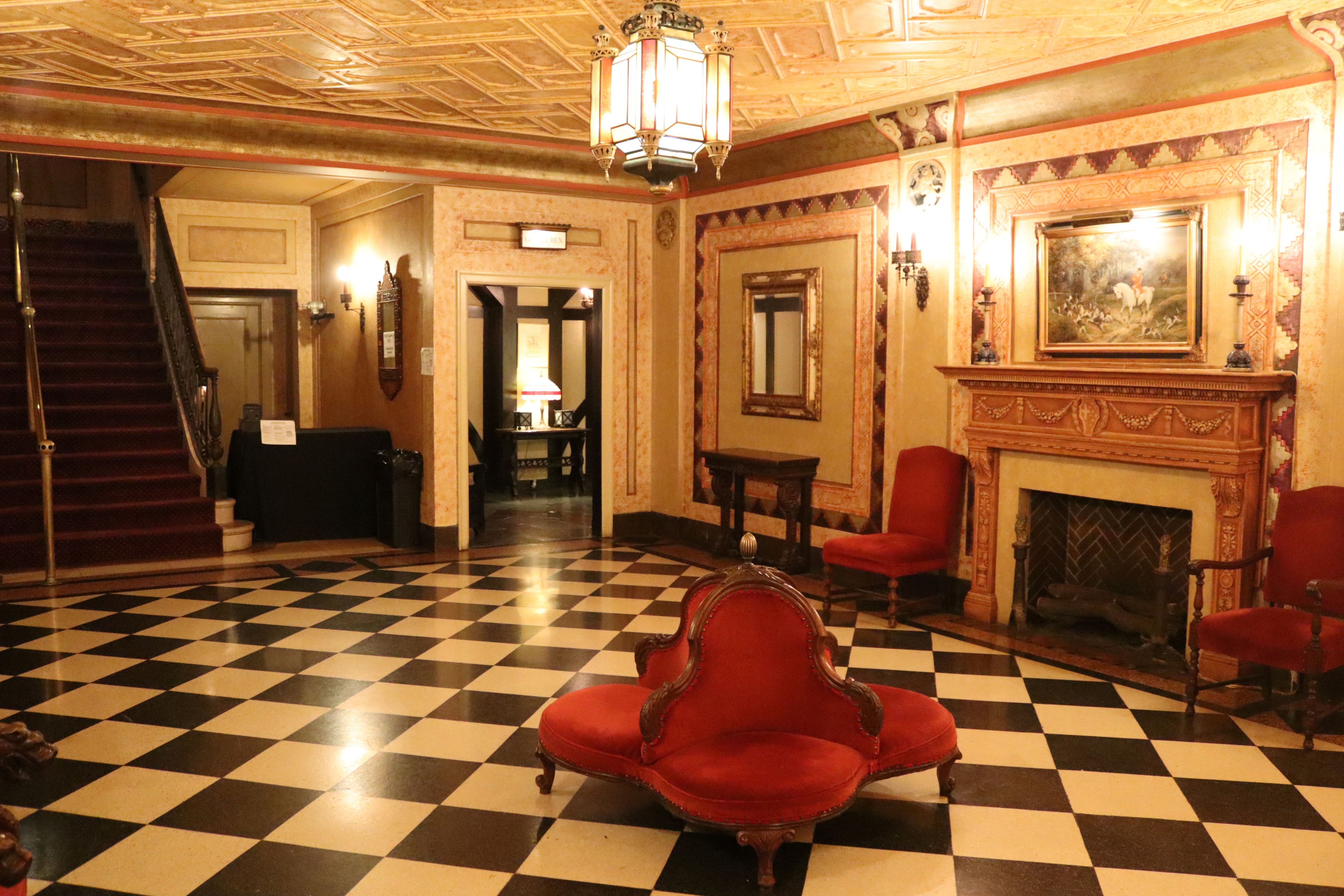
The lobby of the theatre has two large two-story spaces, with a one-story space in between. The first space you walk into is the “Hall of Mirrors.” Beyond that is a larger space in a Spanish Revival style.
Downstairs Bathrooms
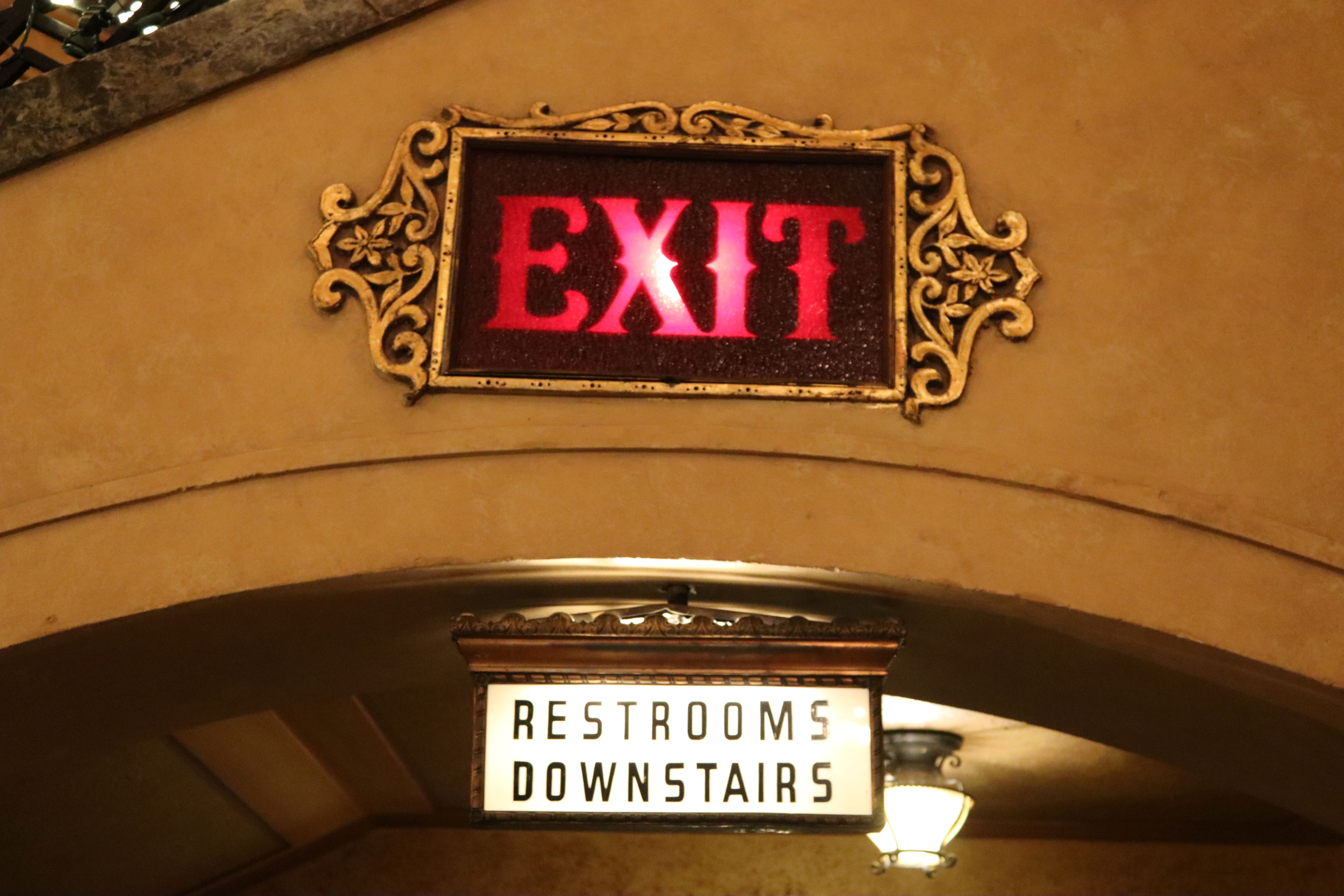
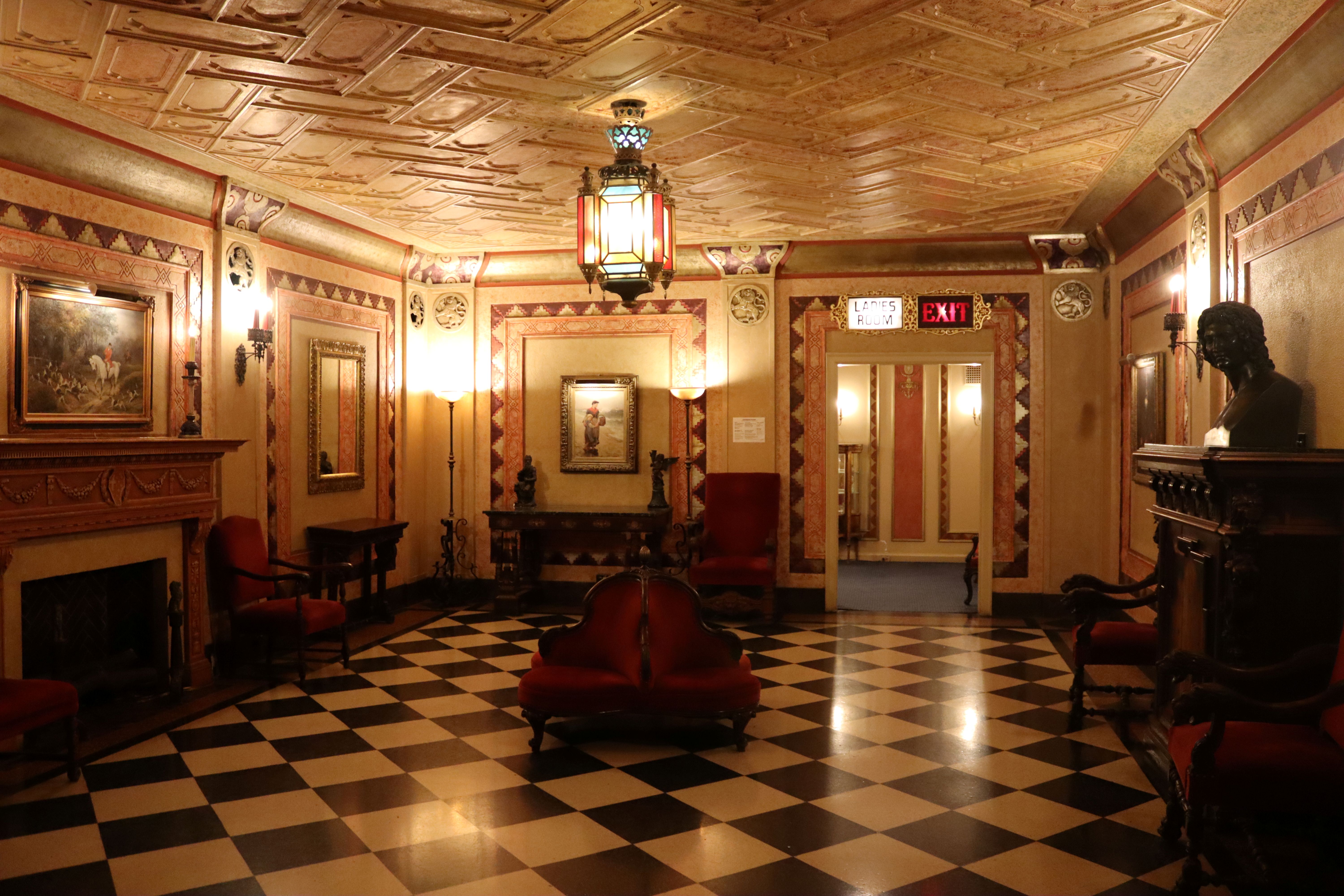
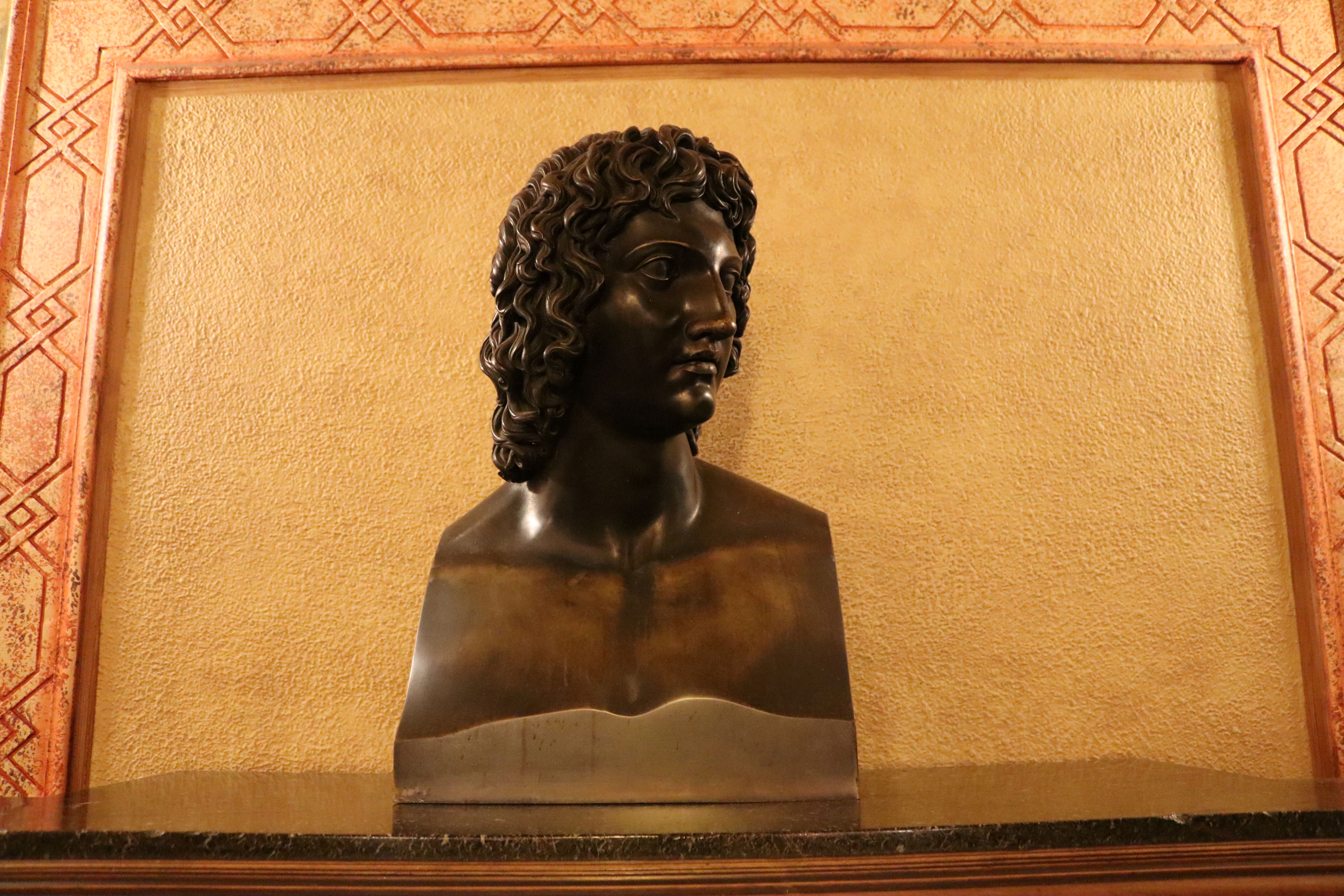
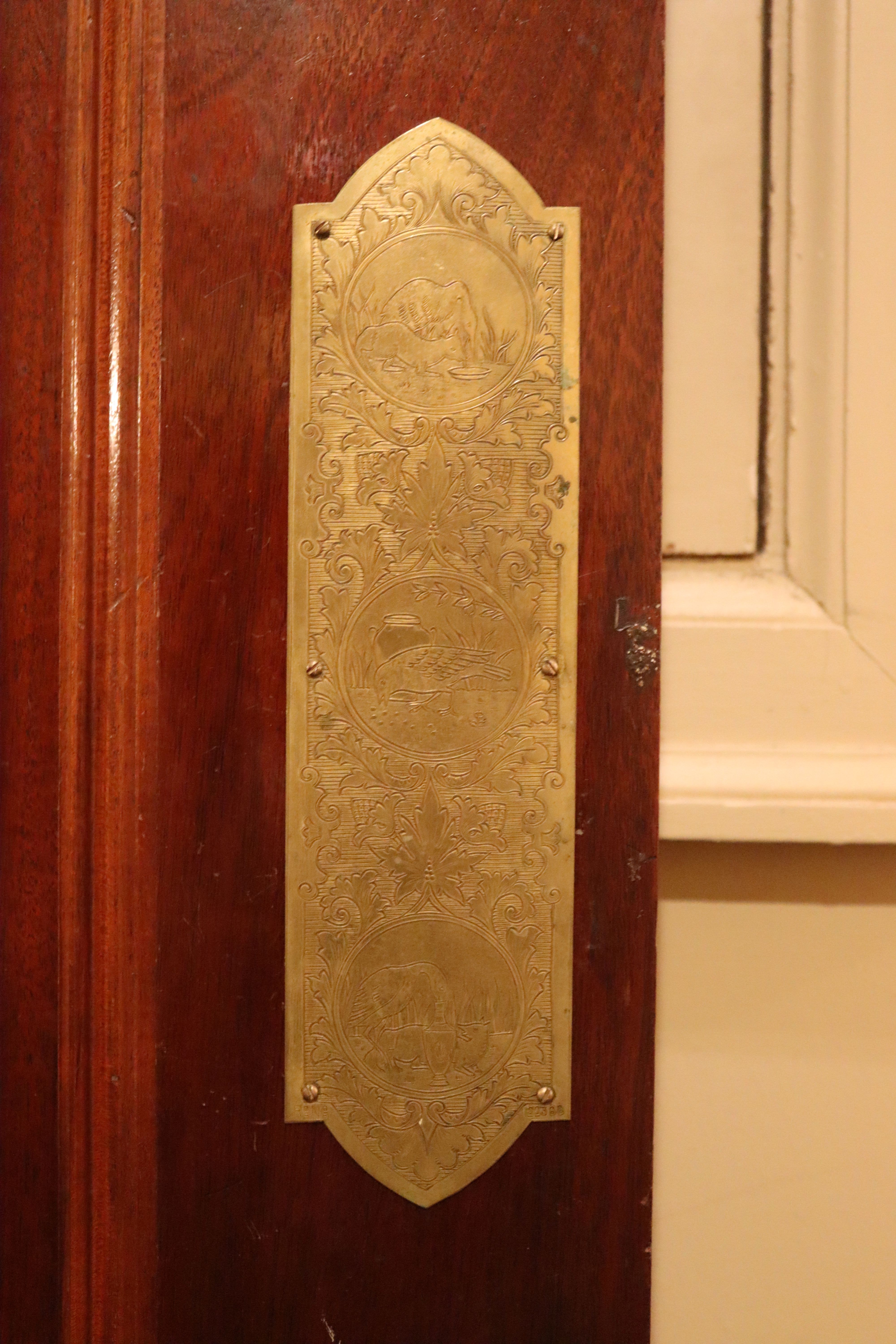
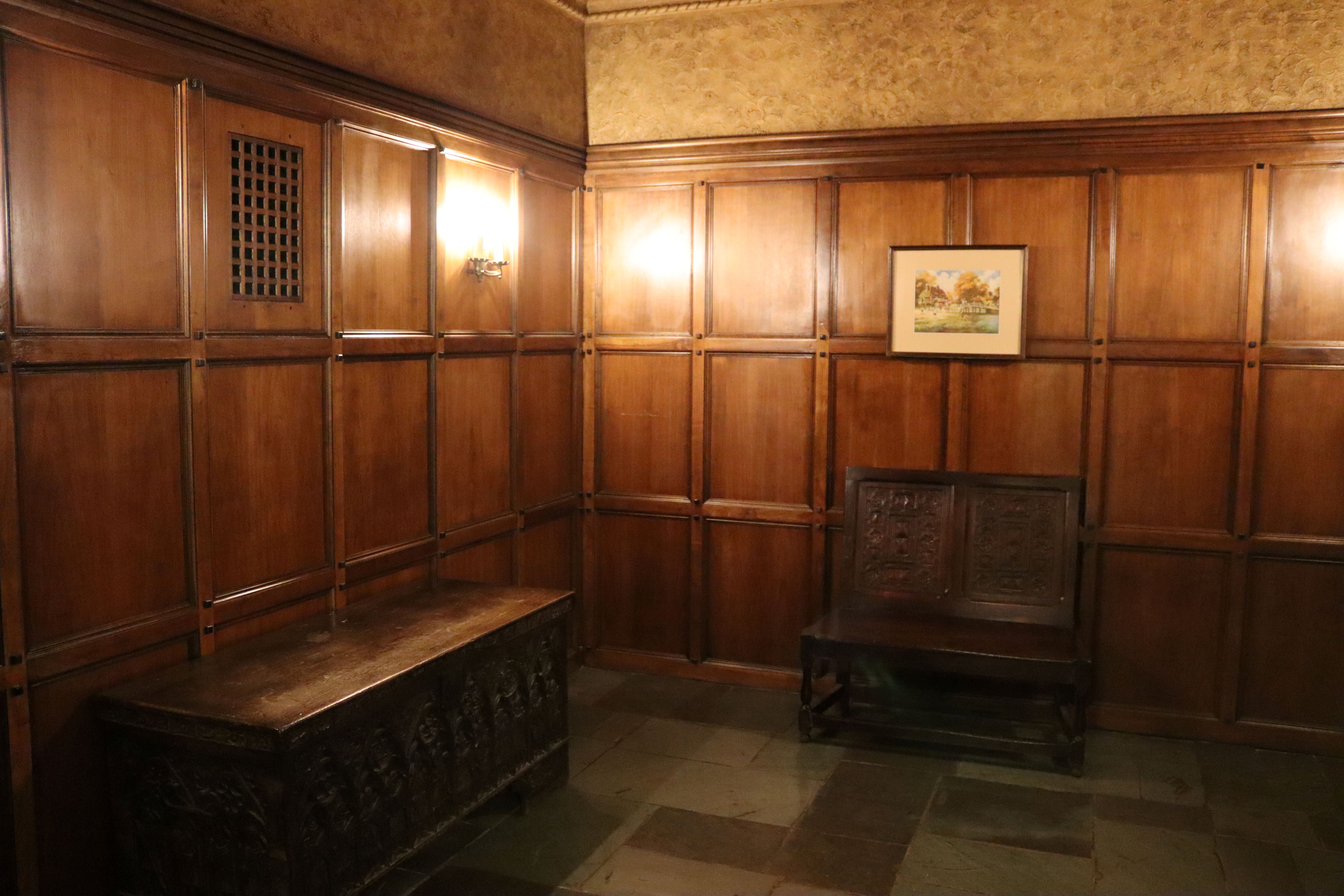
If you have been to the Fox Theatre, you likely remember the elaborate bathrooms. The Alabama also has unique restrooms, though in much more diverse styles. Underneath the lobby is a smoking lounge, a Ladies’ Room in the Adams style of the 18th century, and a Men’s Room resembling a Tudor hunting lodge.
Light Fixtures
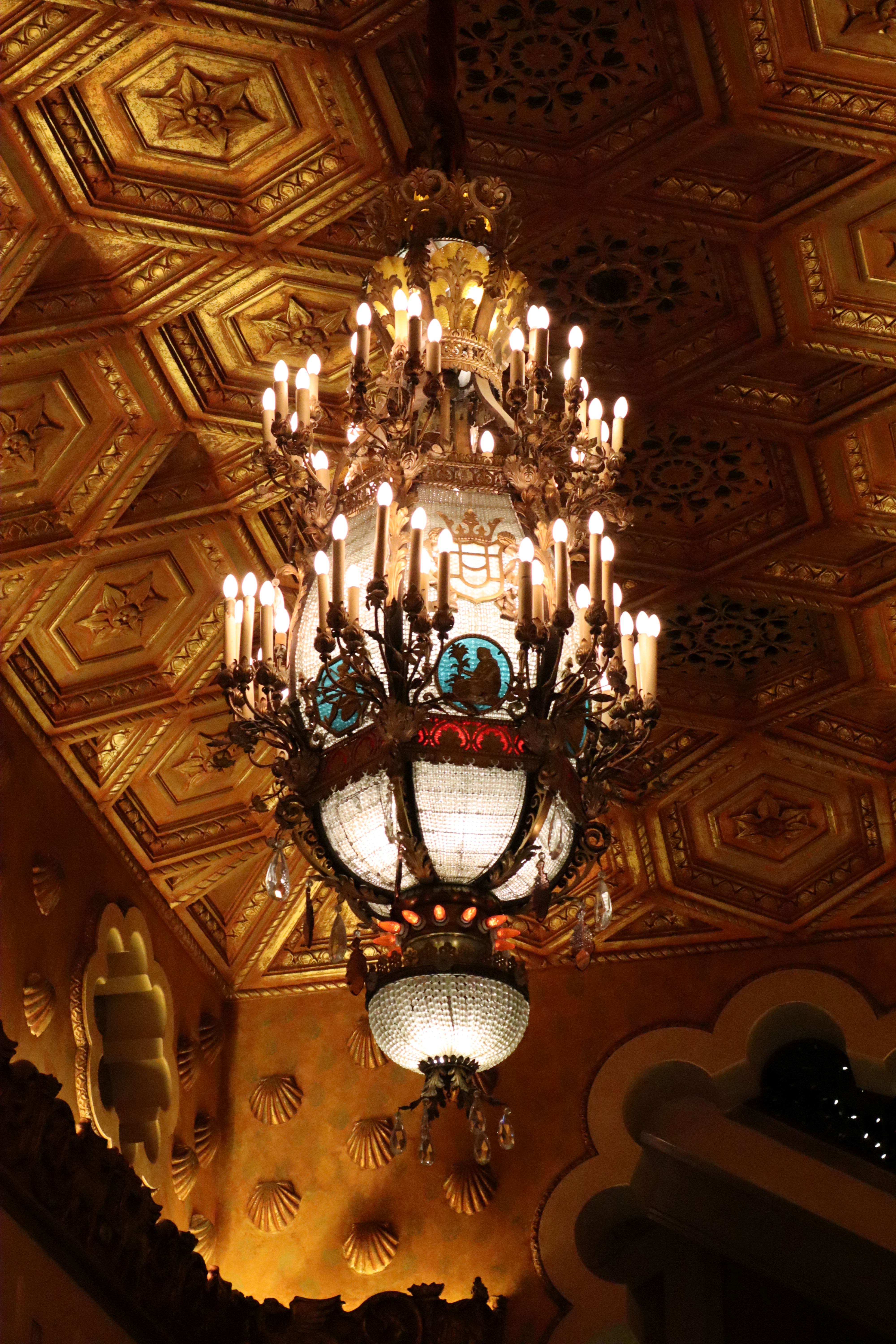
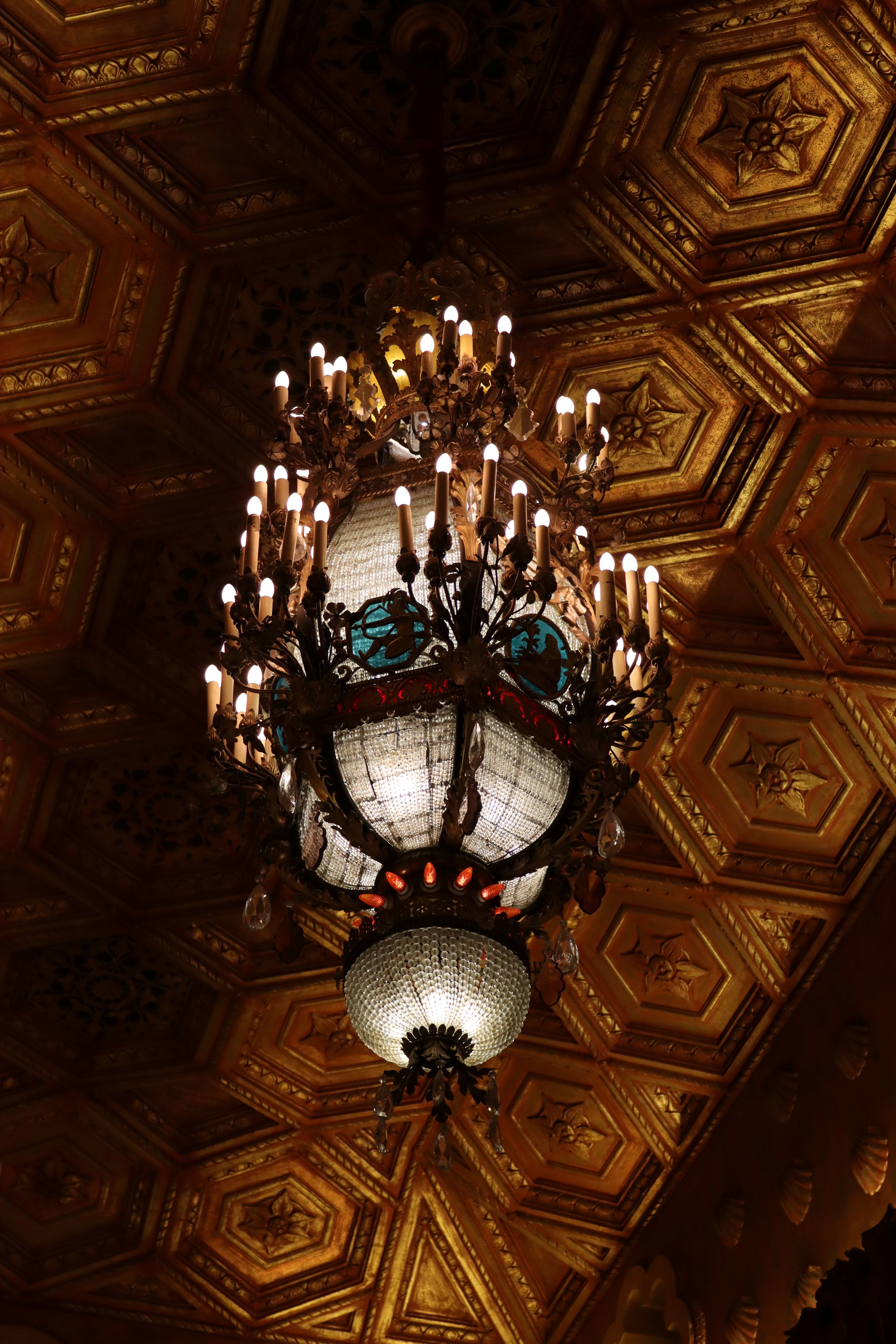
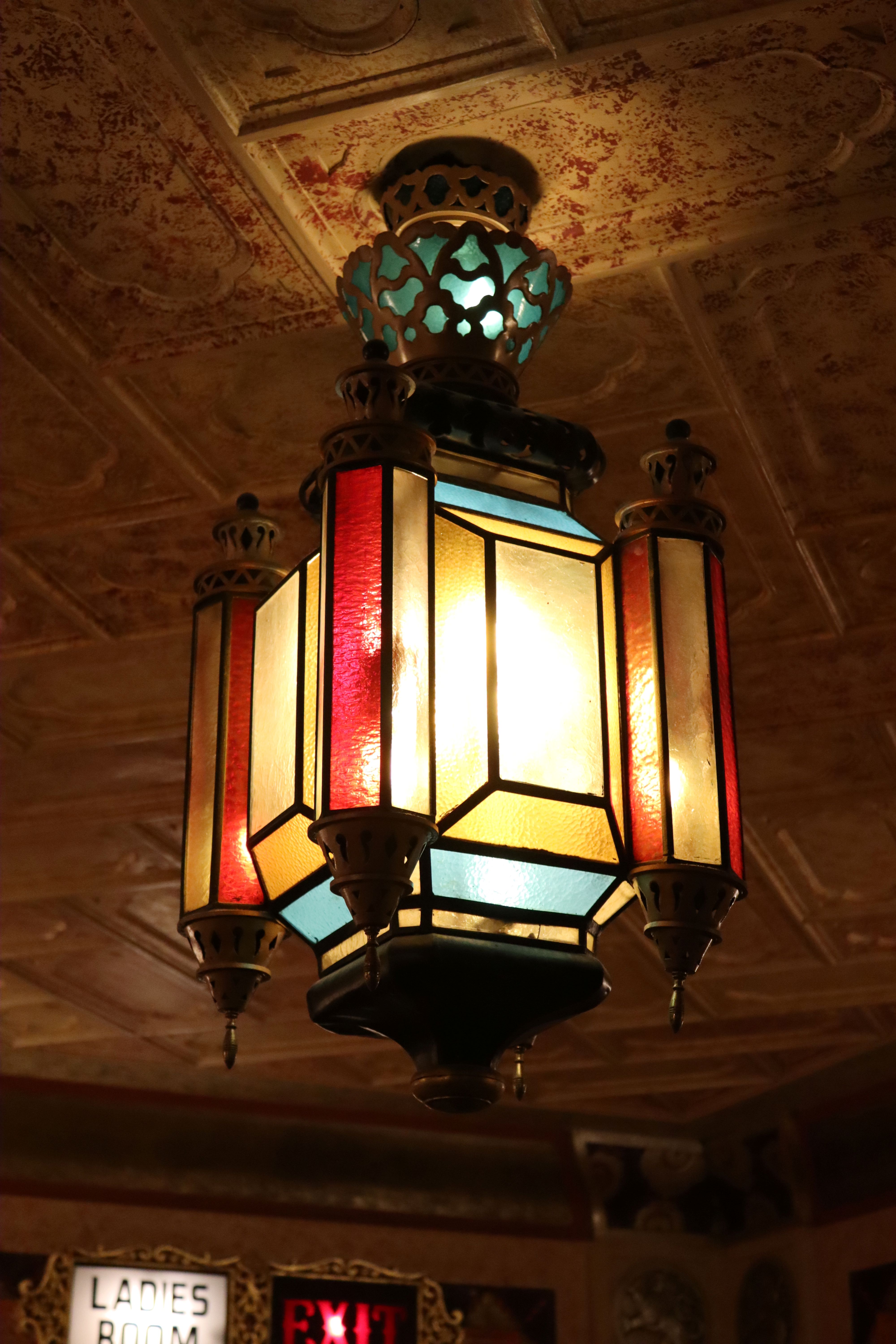
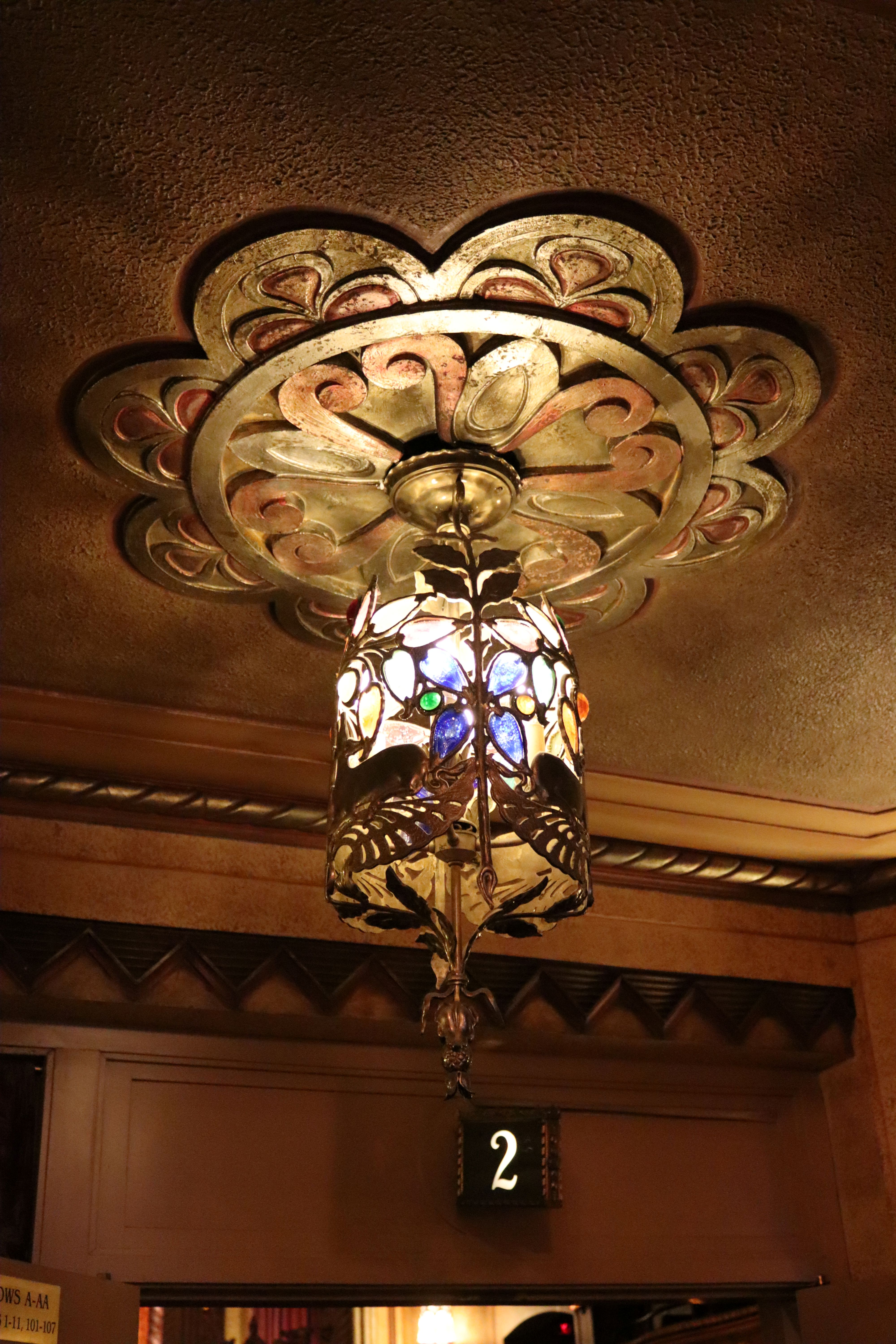
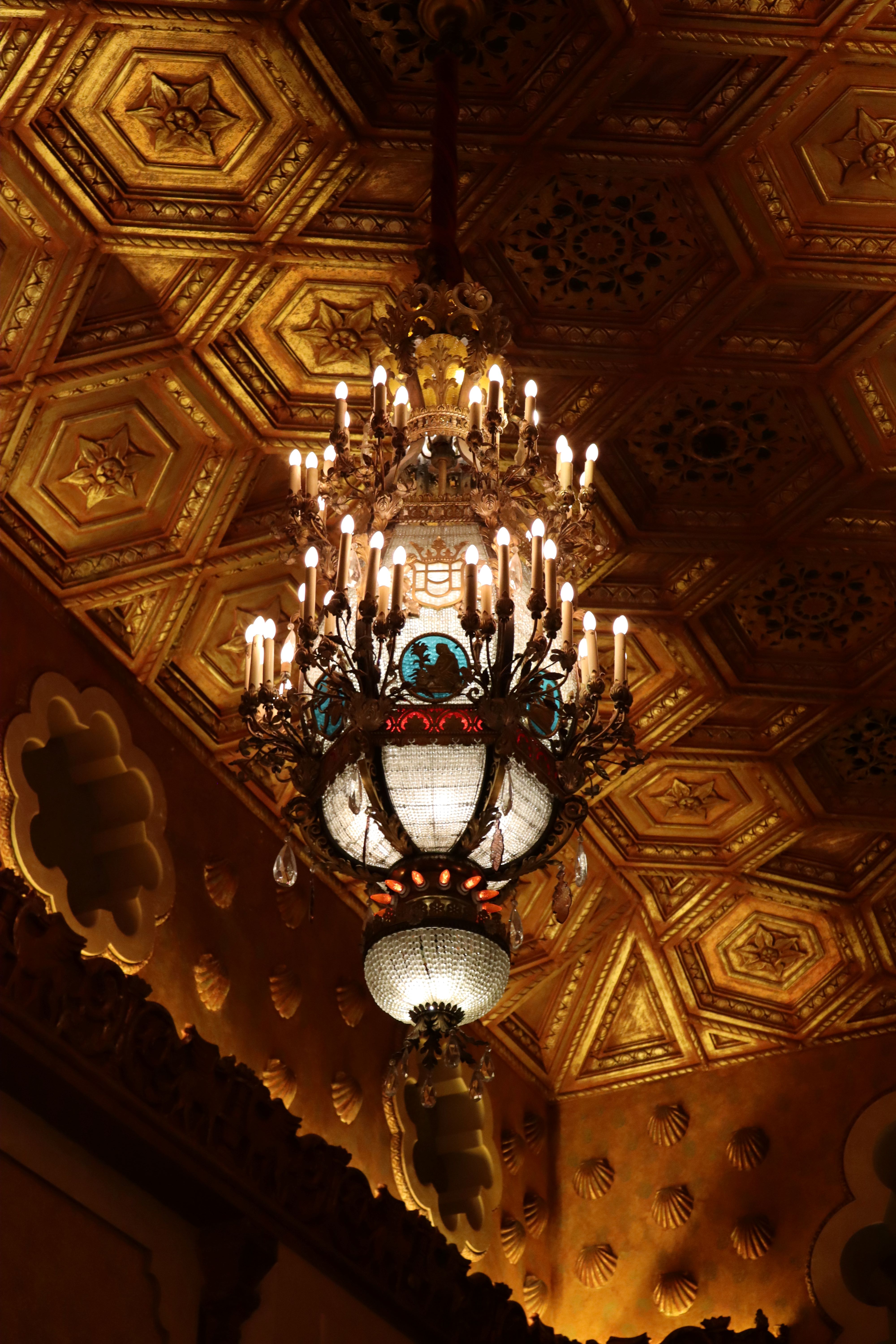
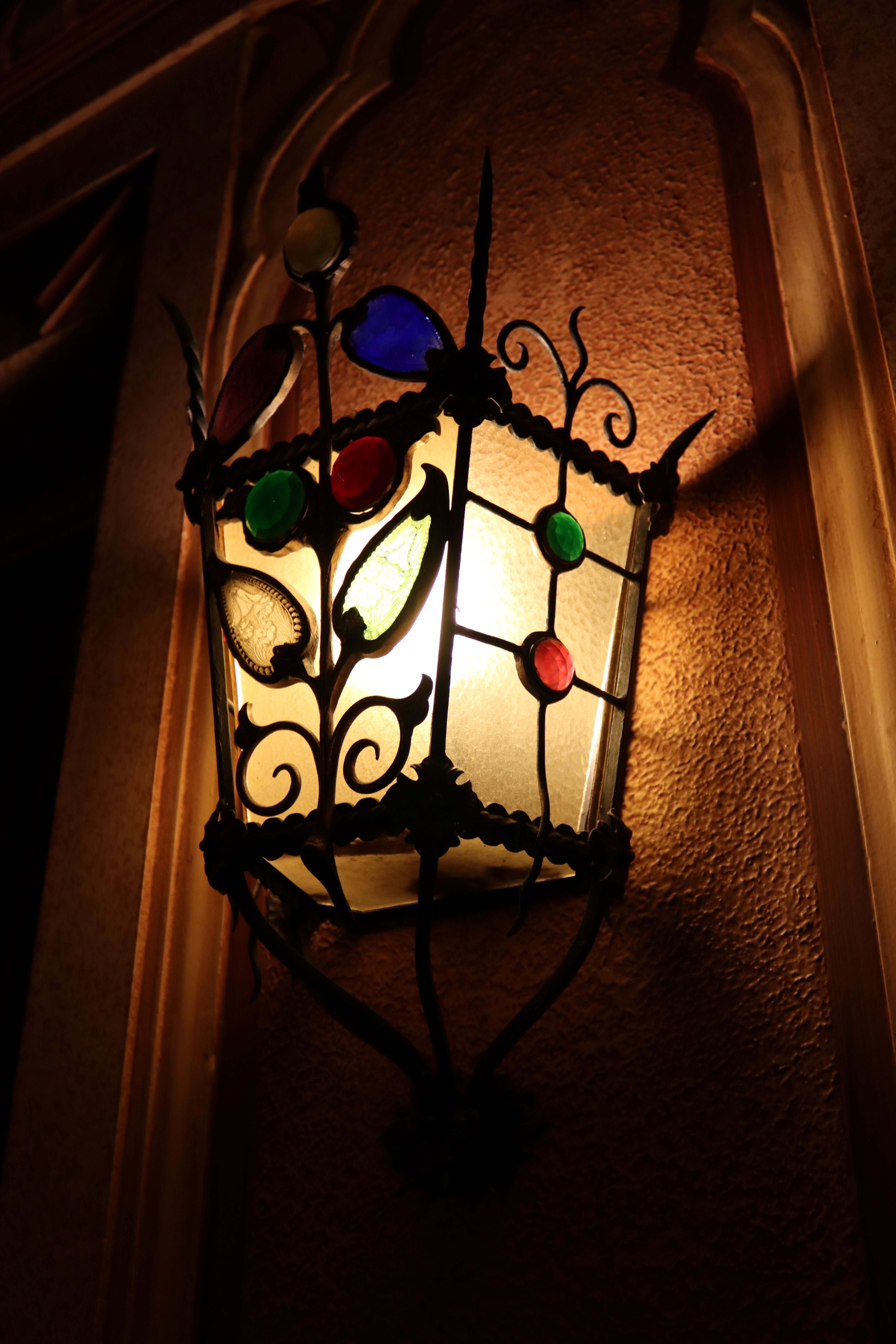
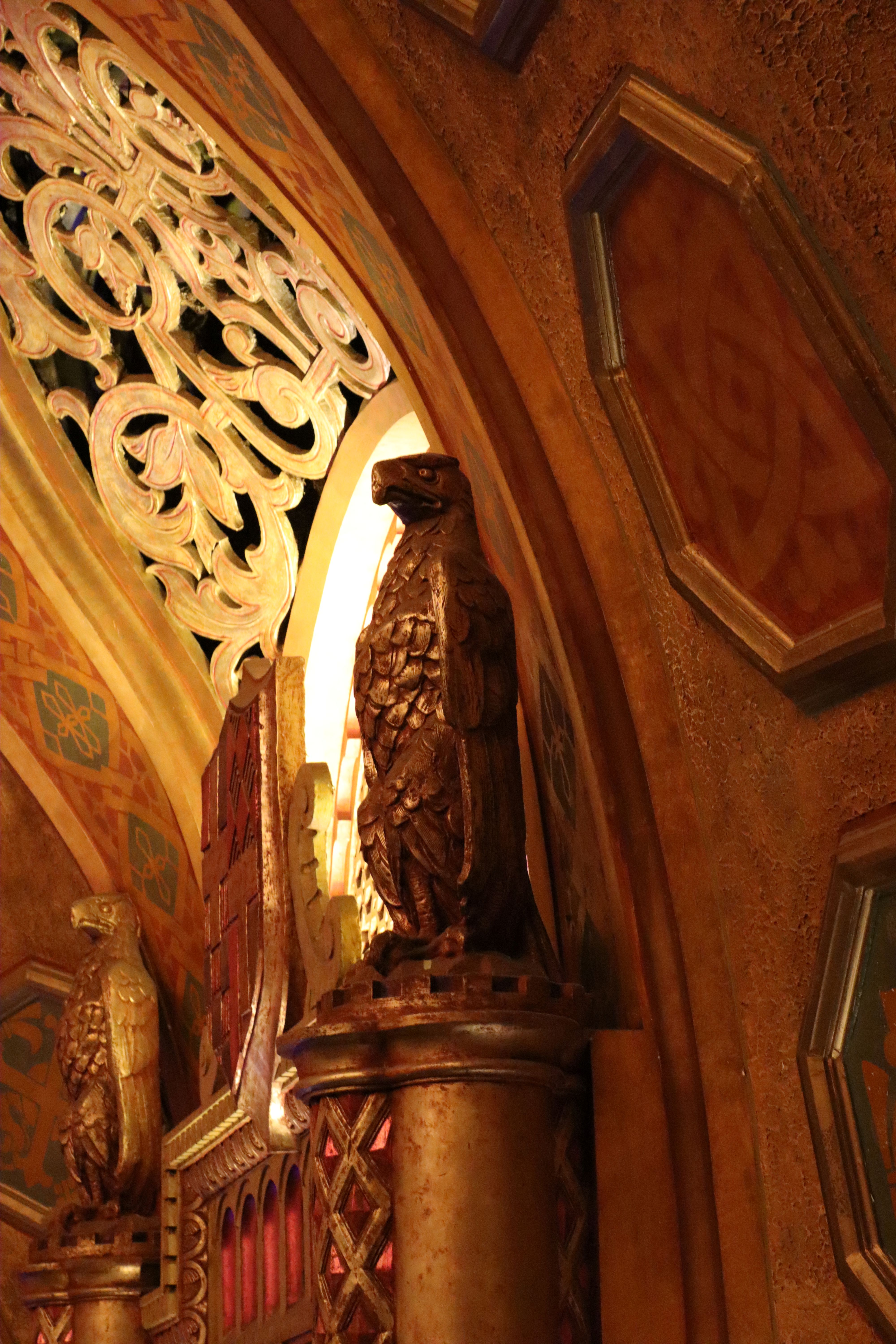
Across the theatre are a variety of light fixtures original to the building. These images were largely made in the lobby, with a handful from the auditorium as well.
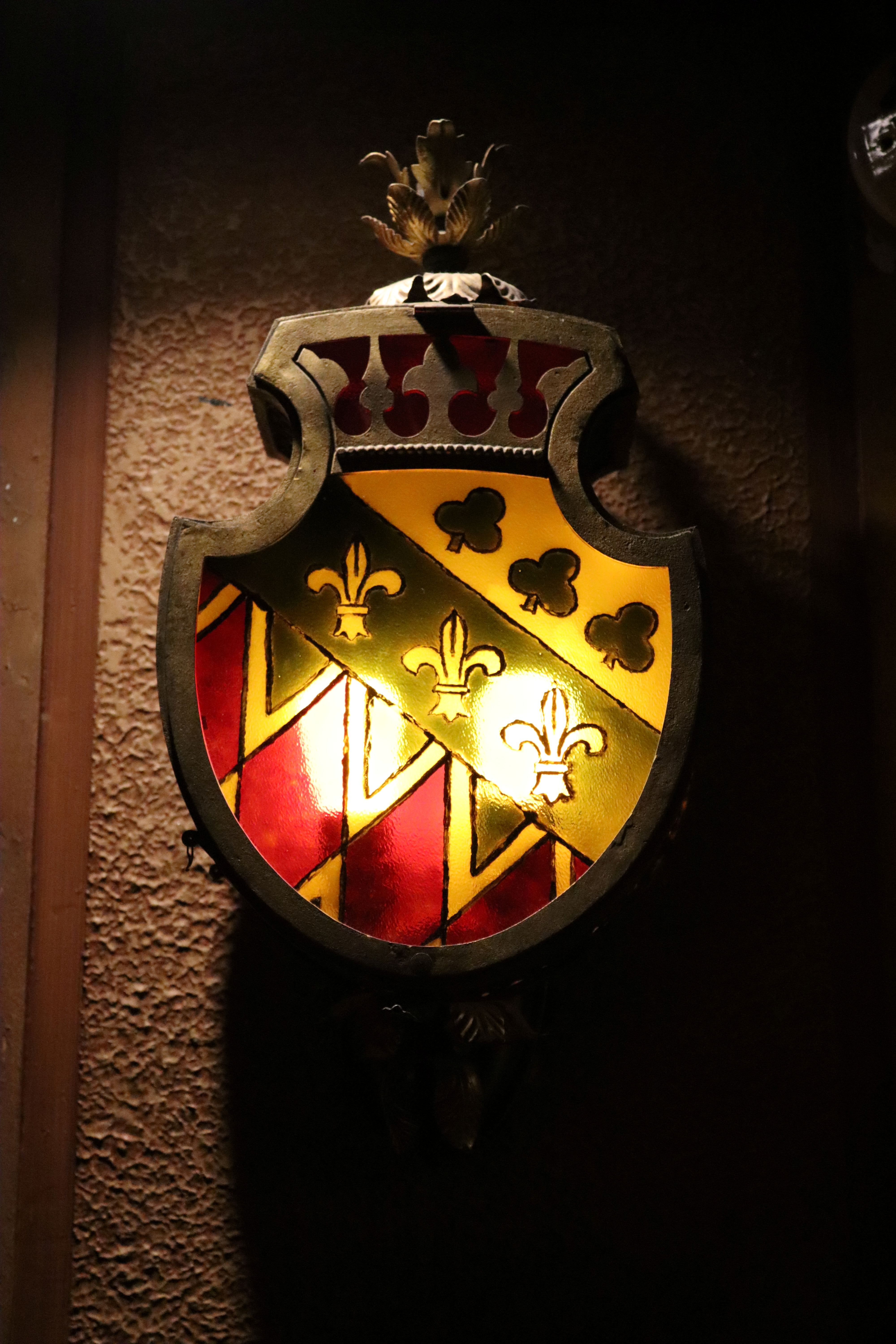
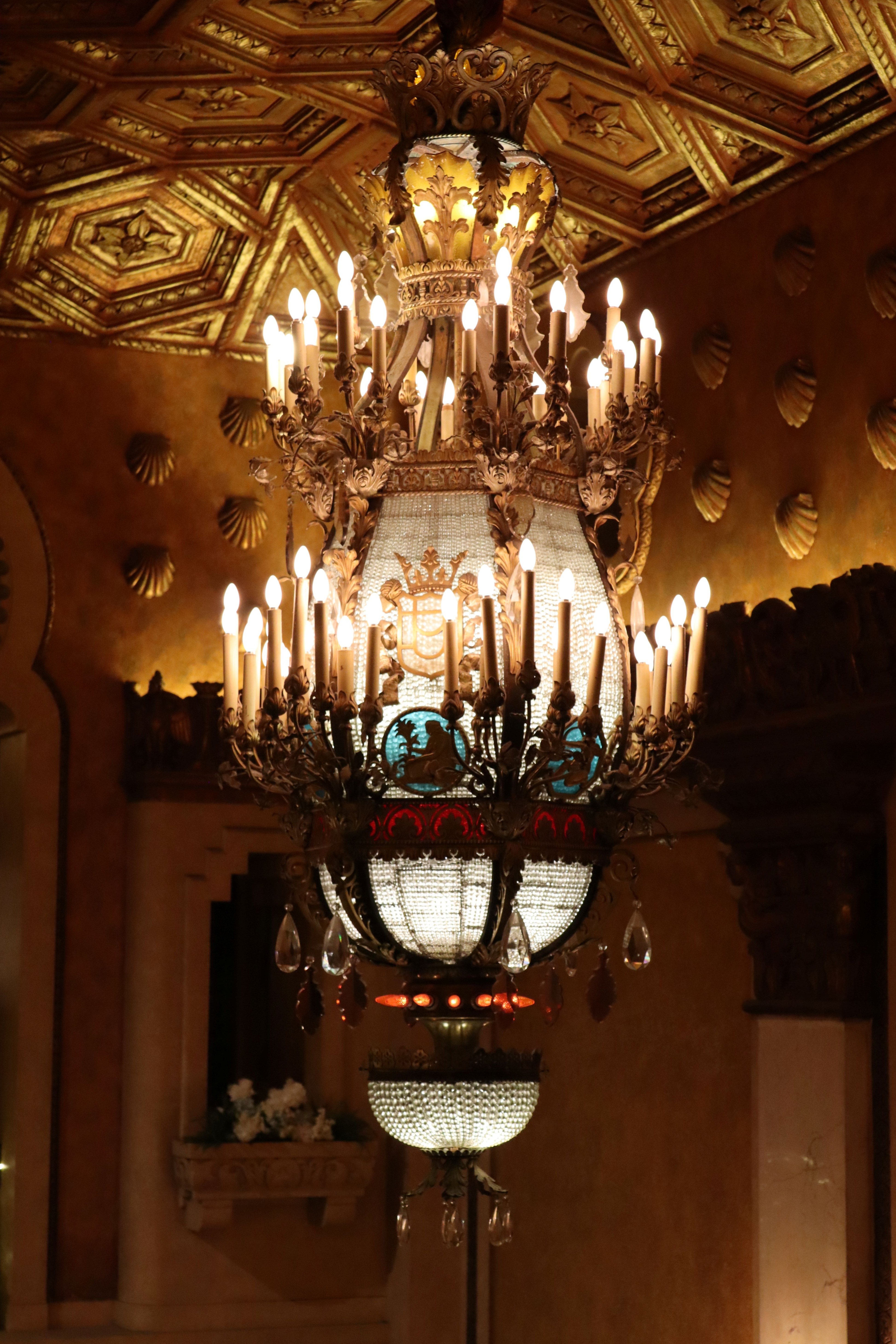
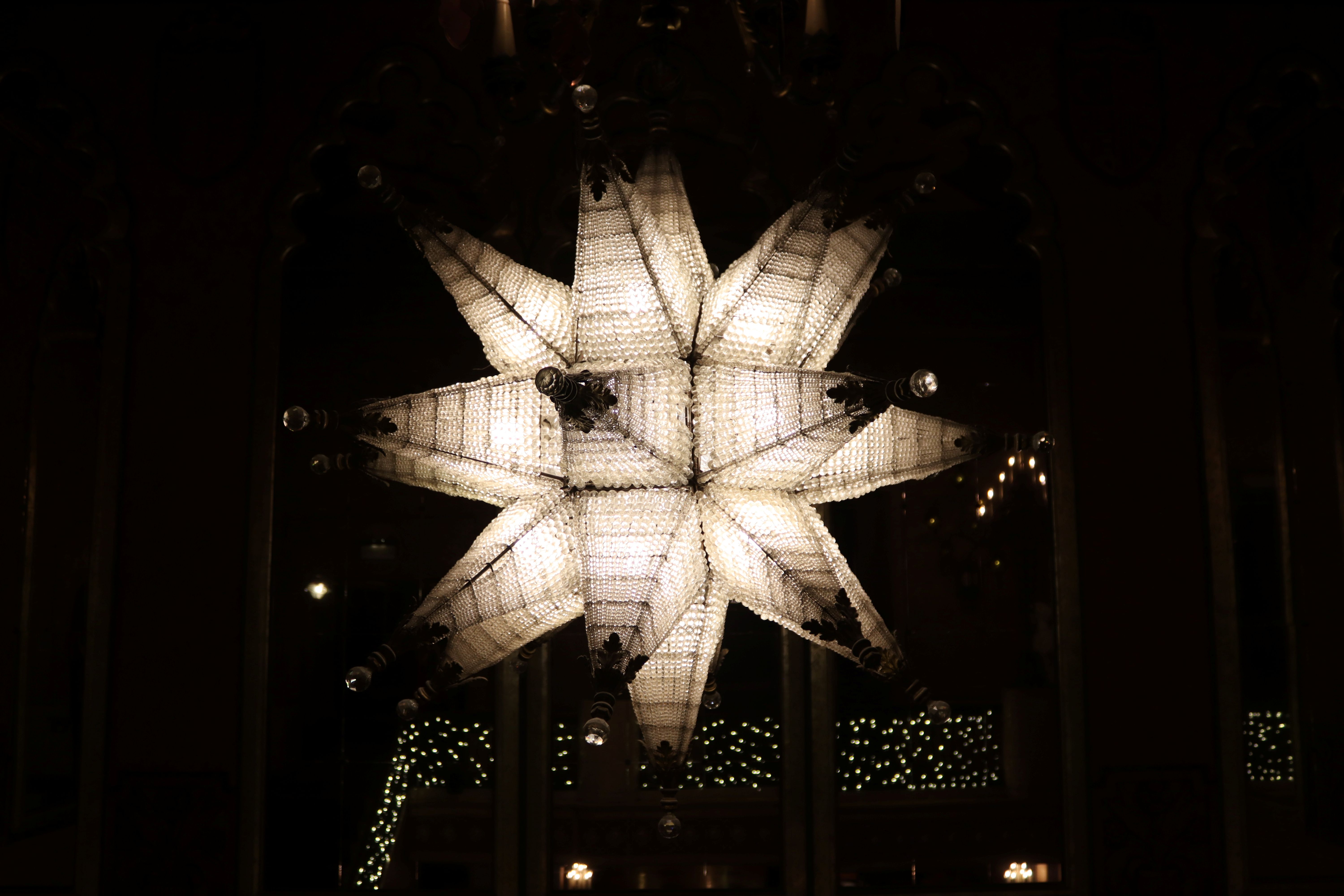
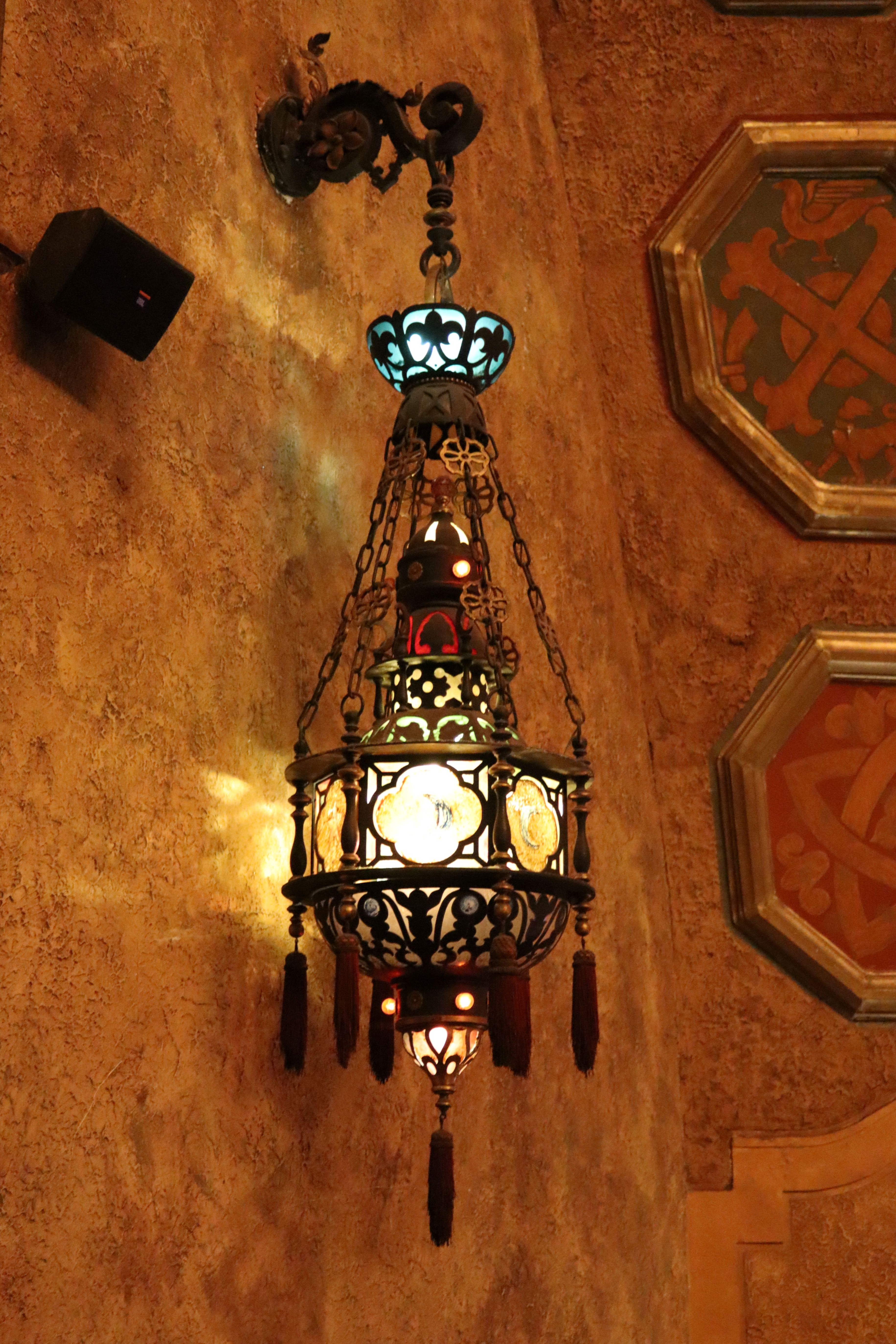
Proscenium
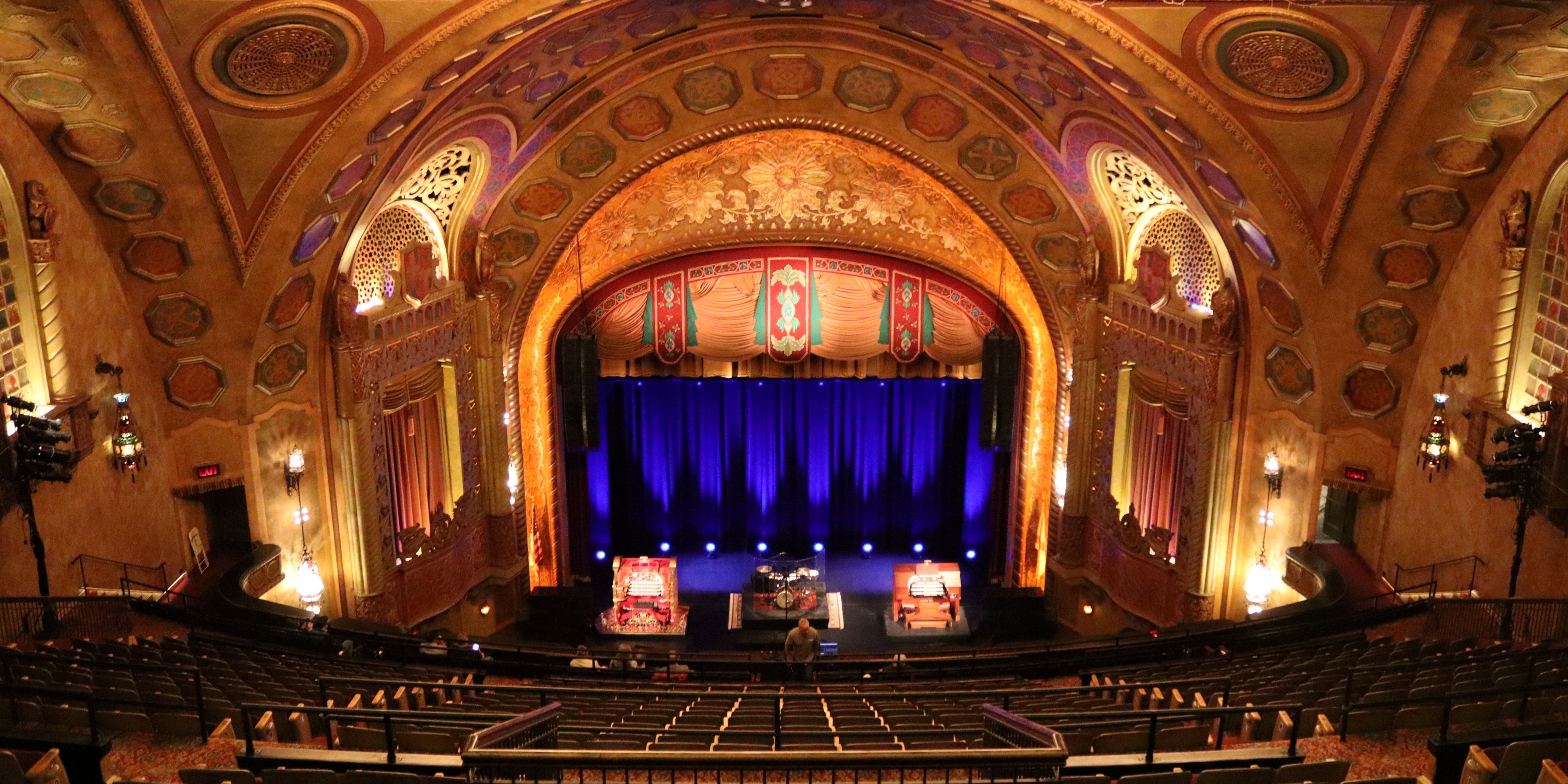
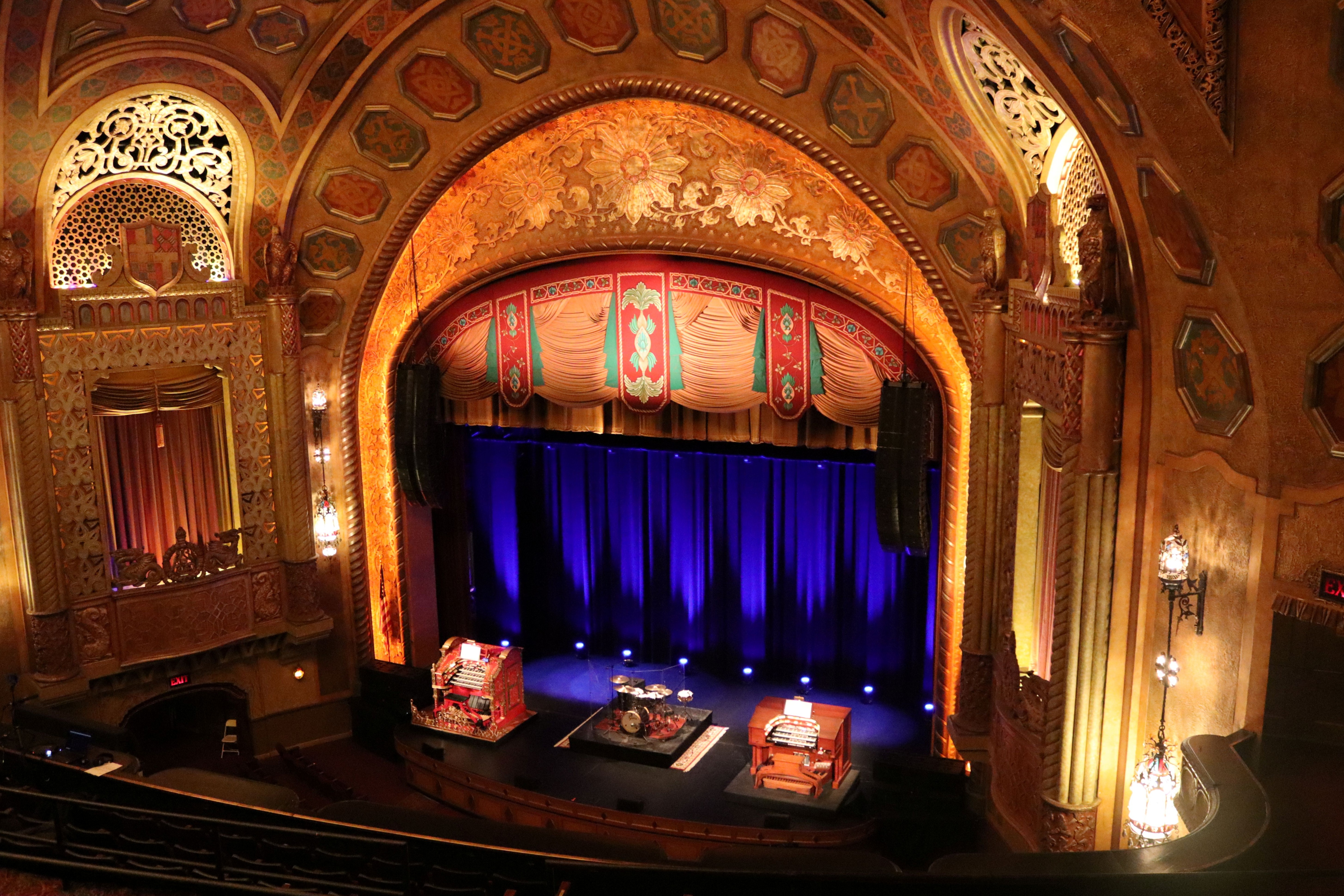
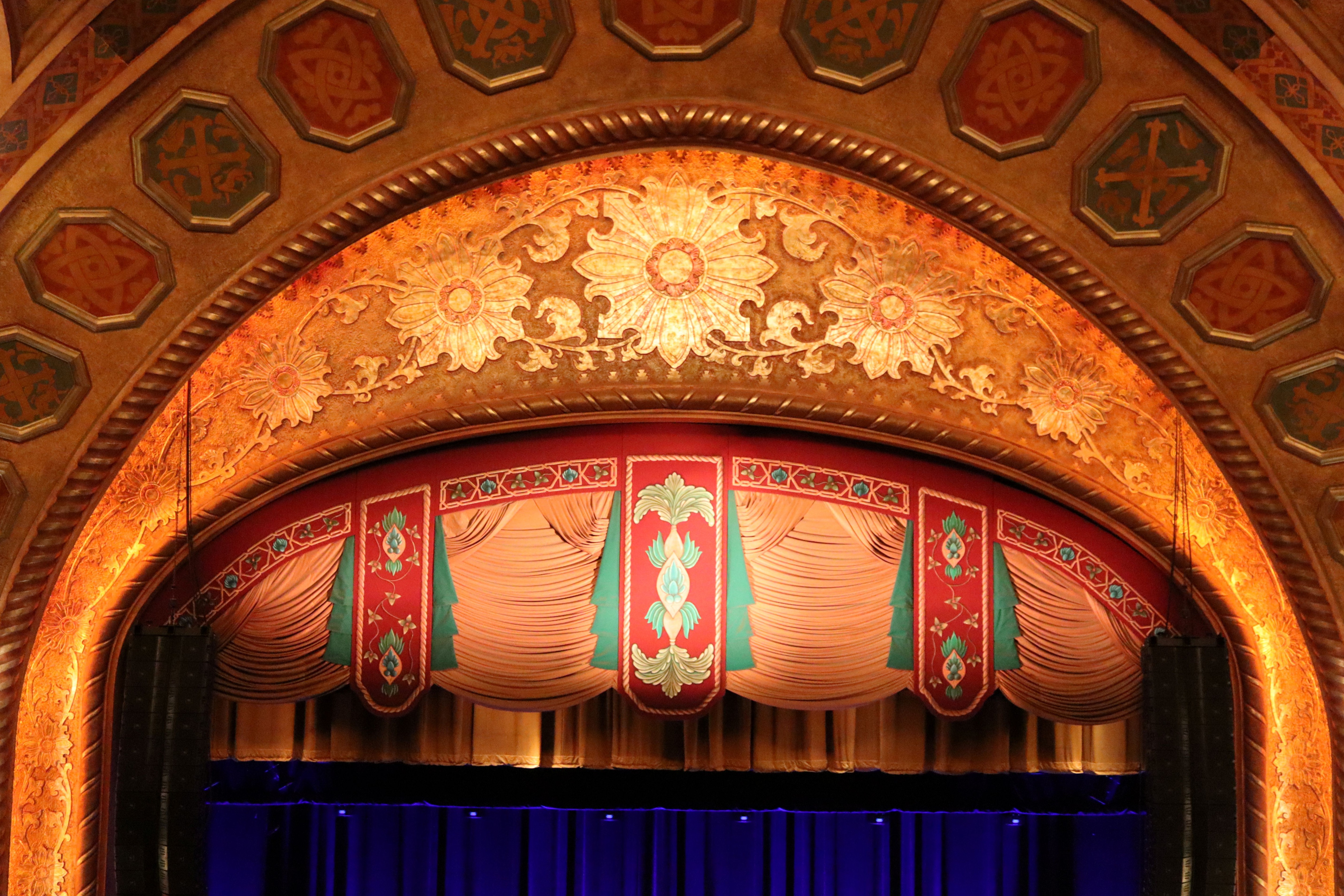
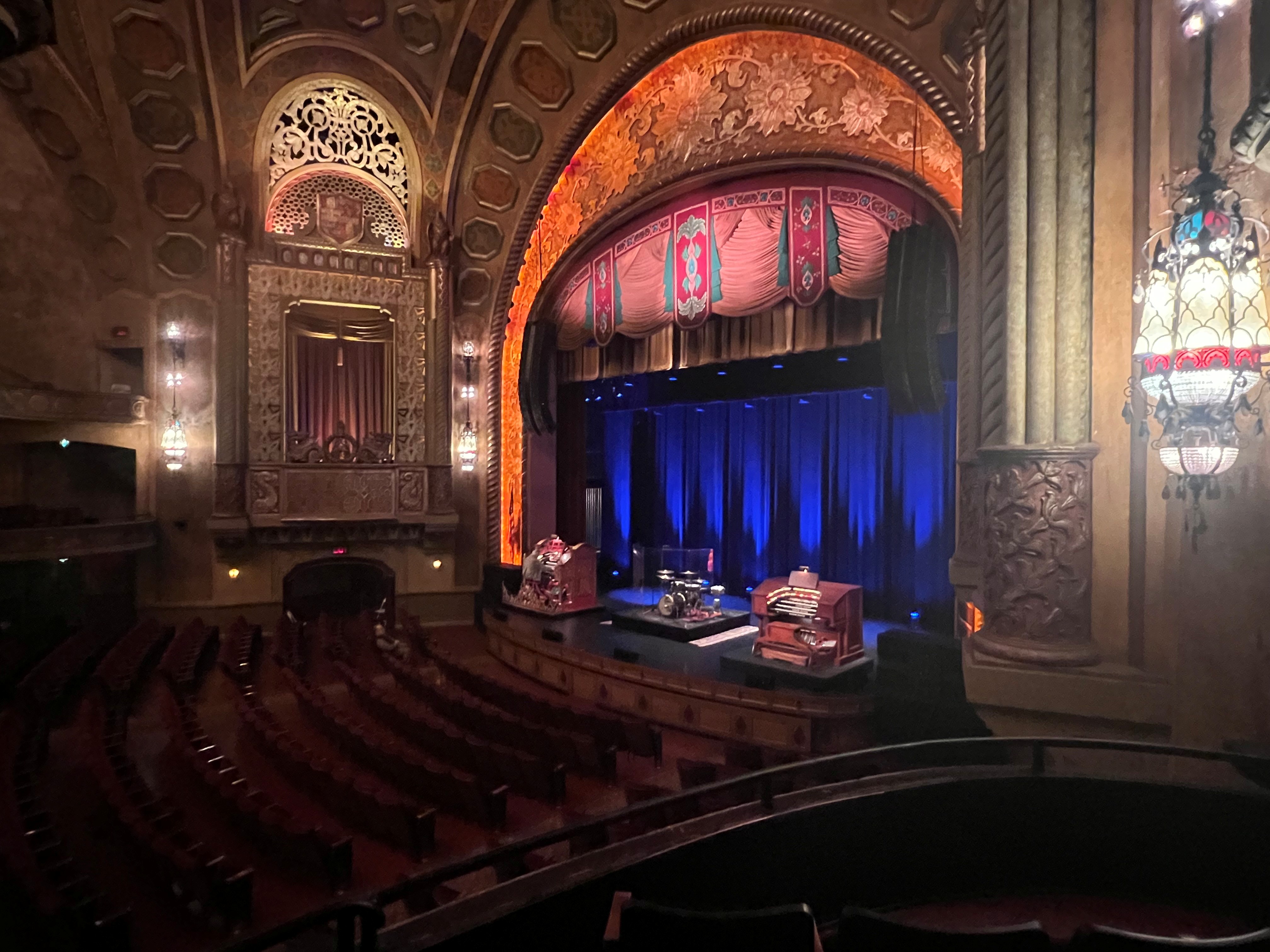
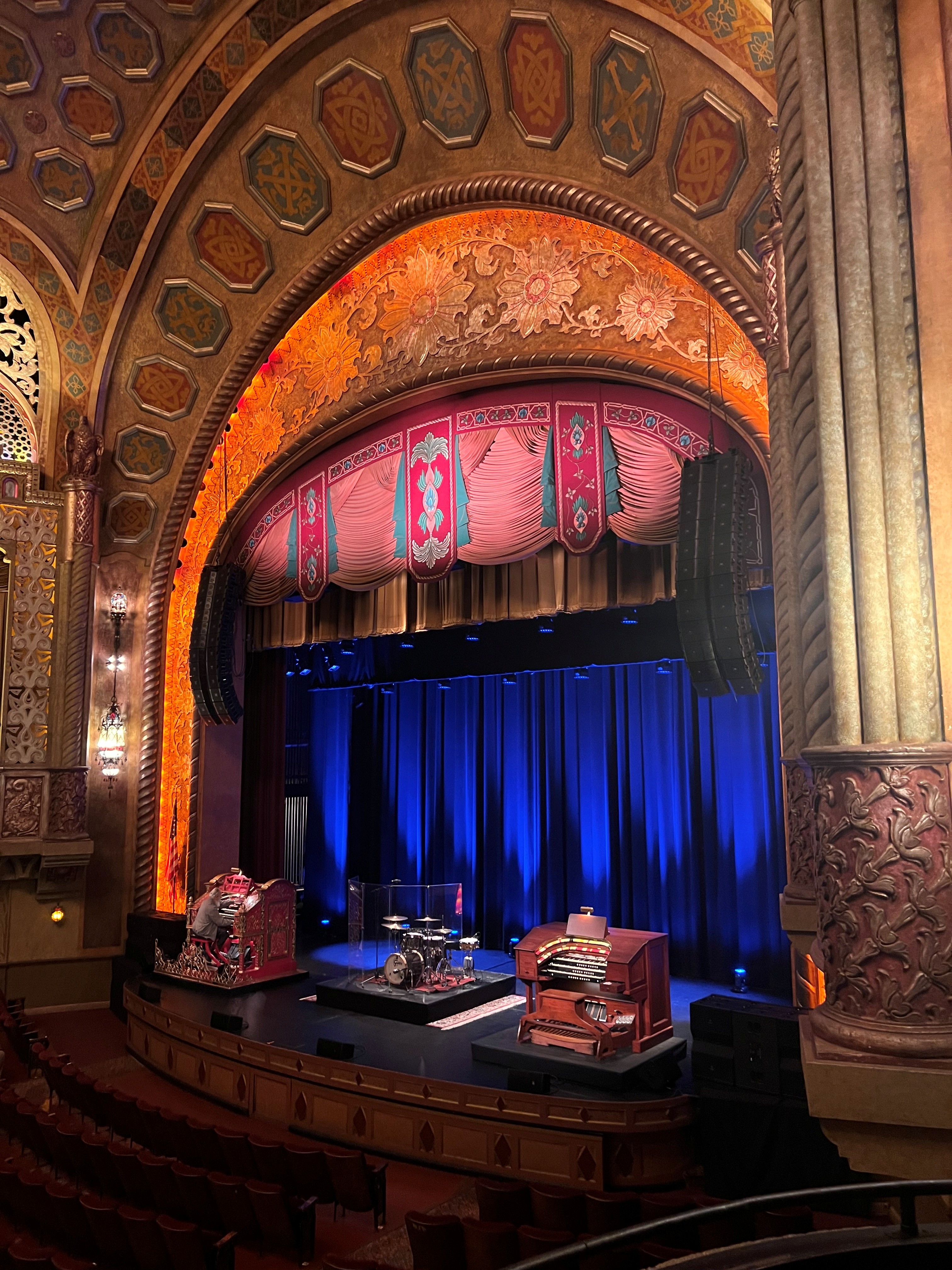
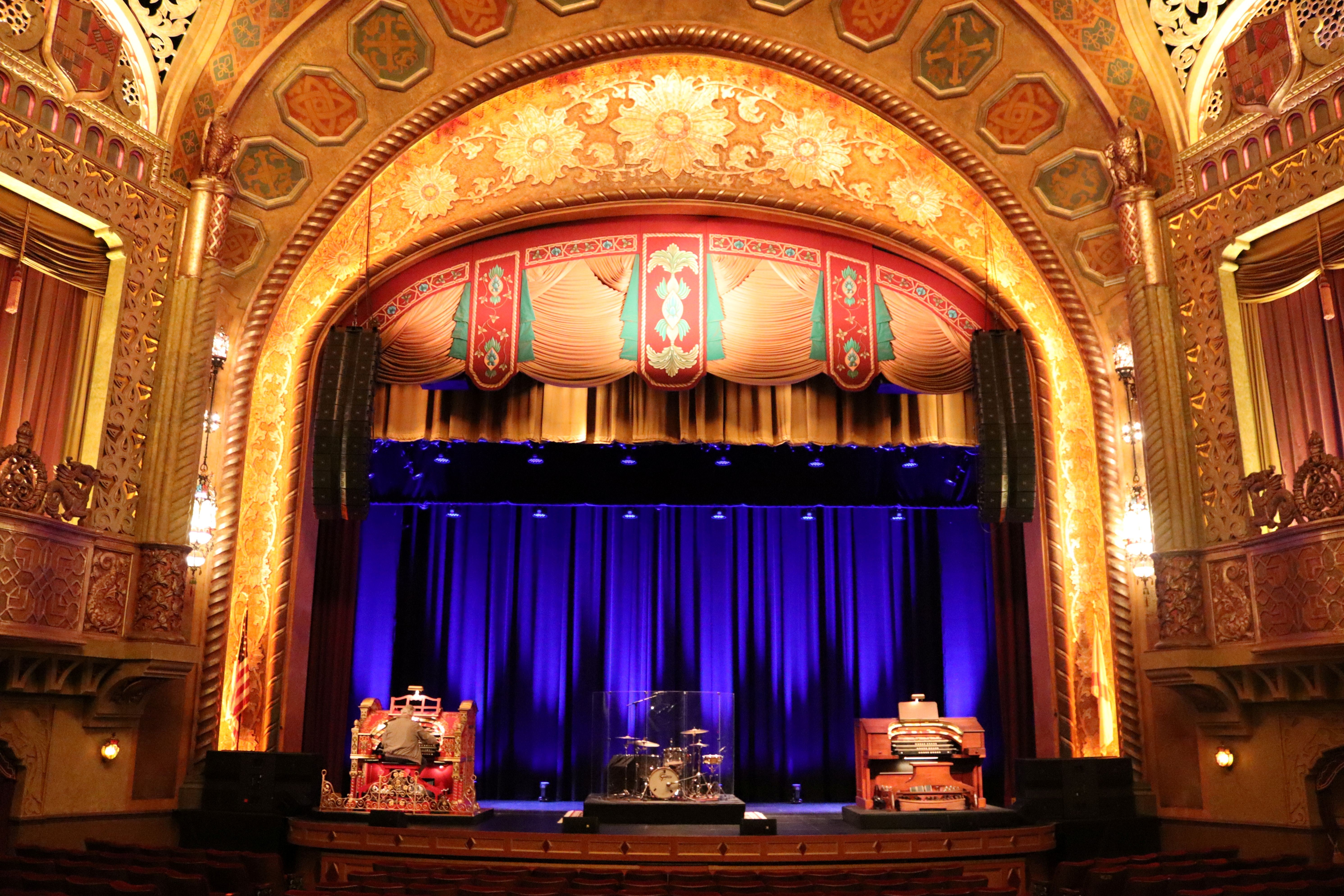
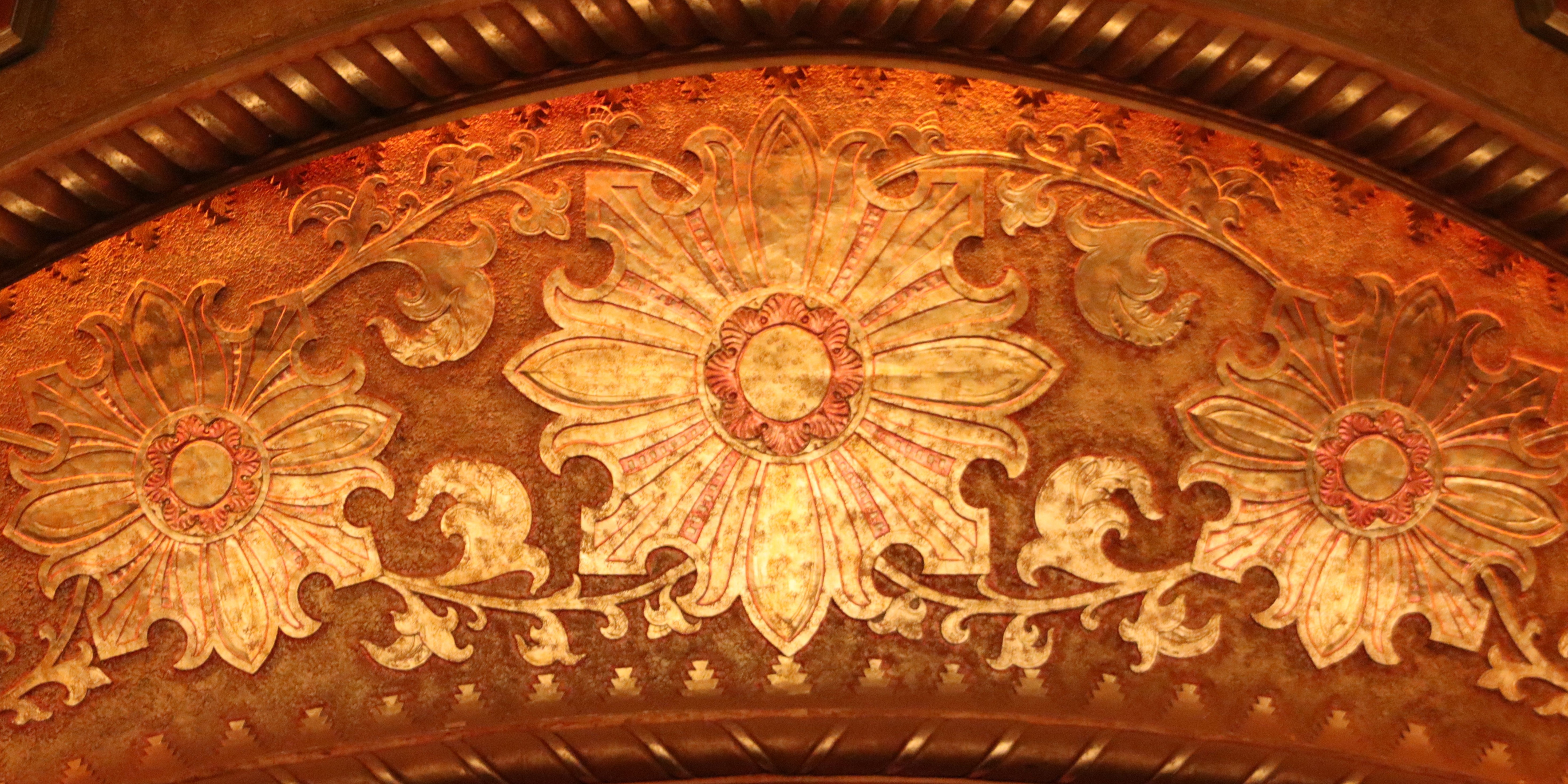
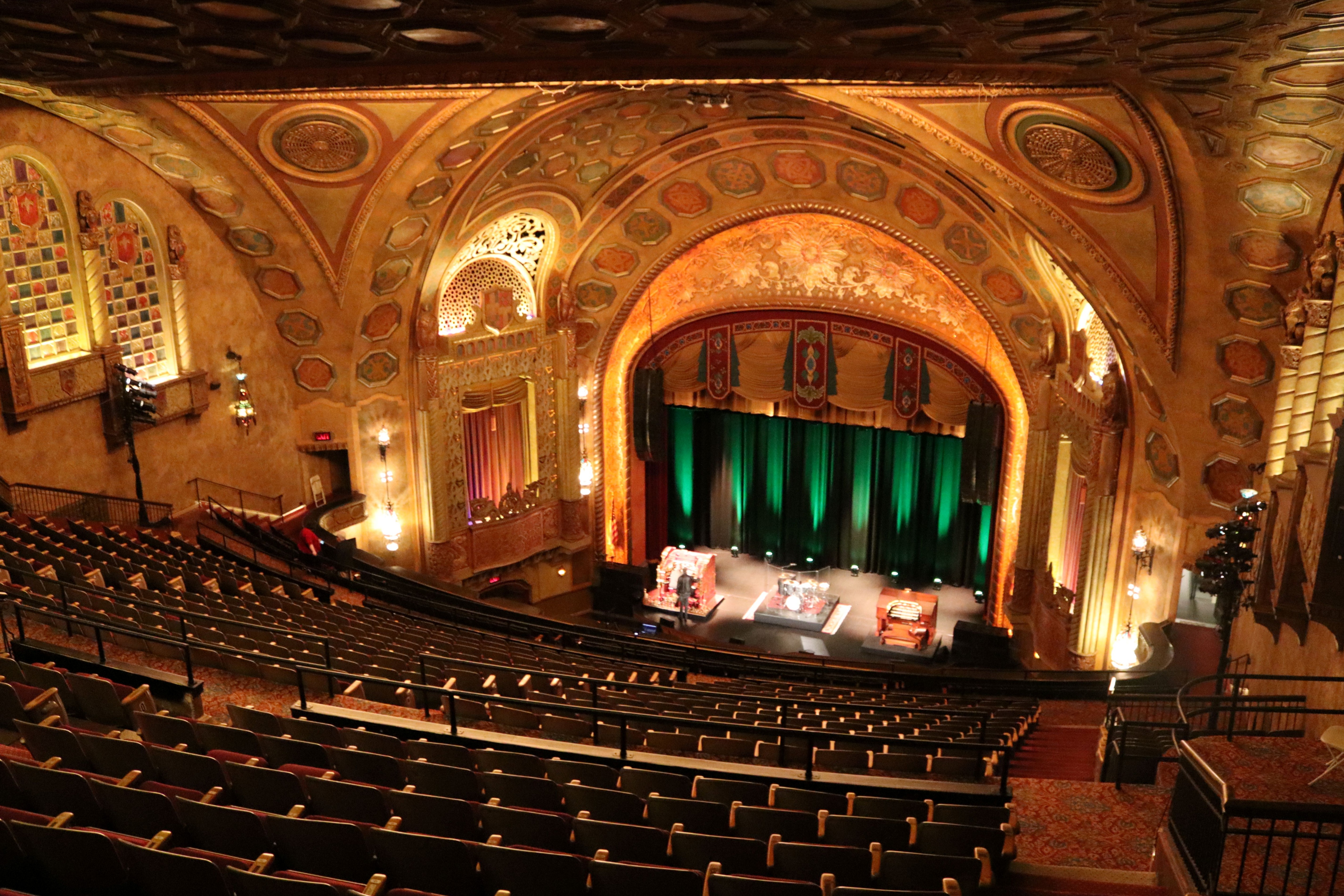
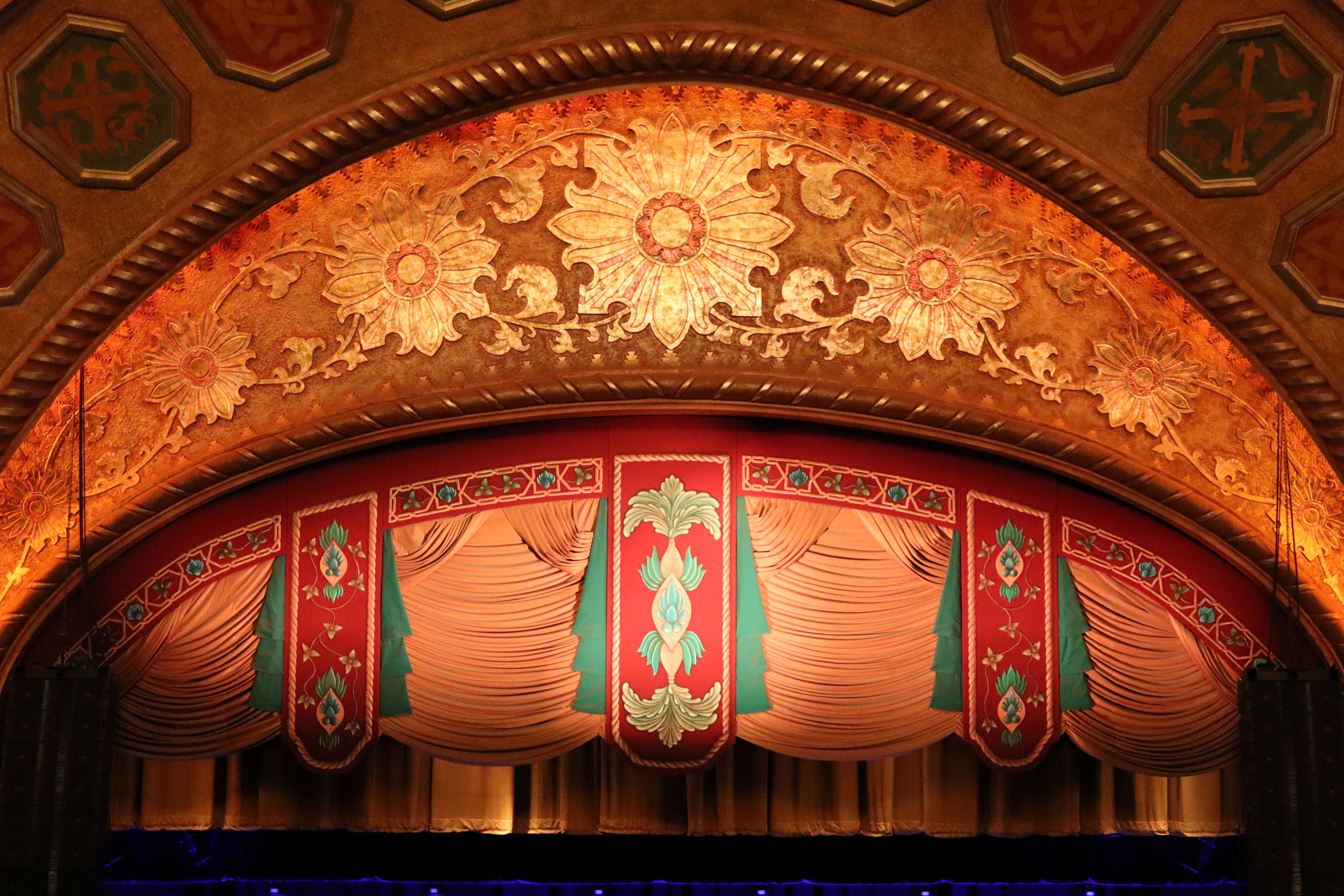
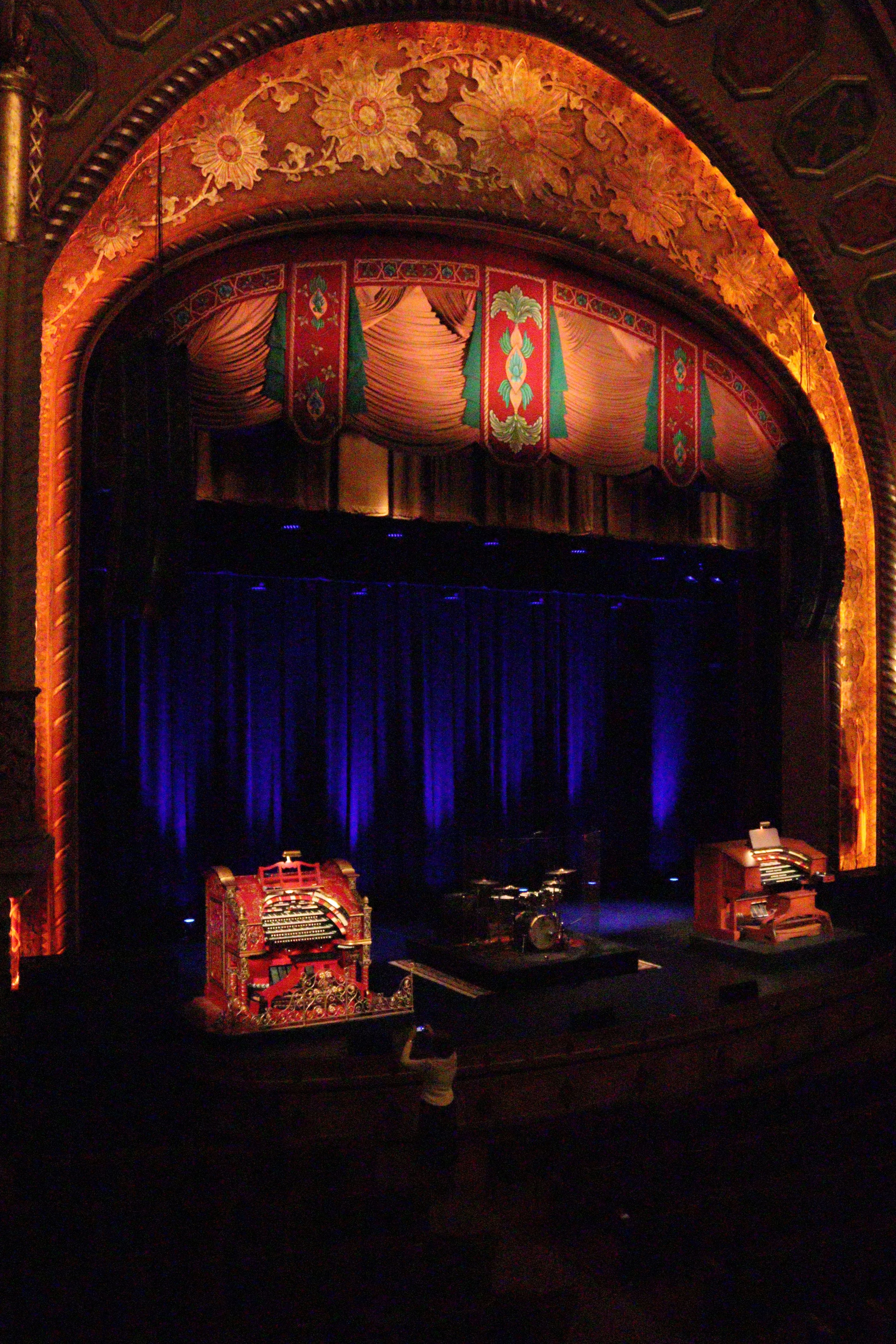
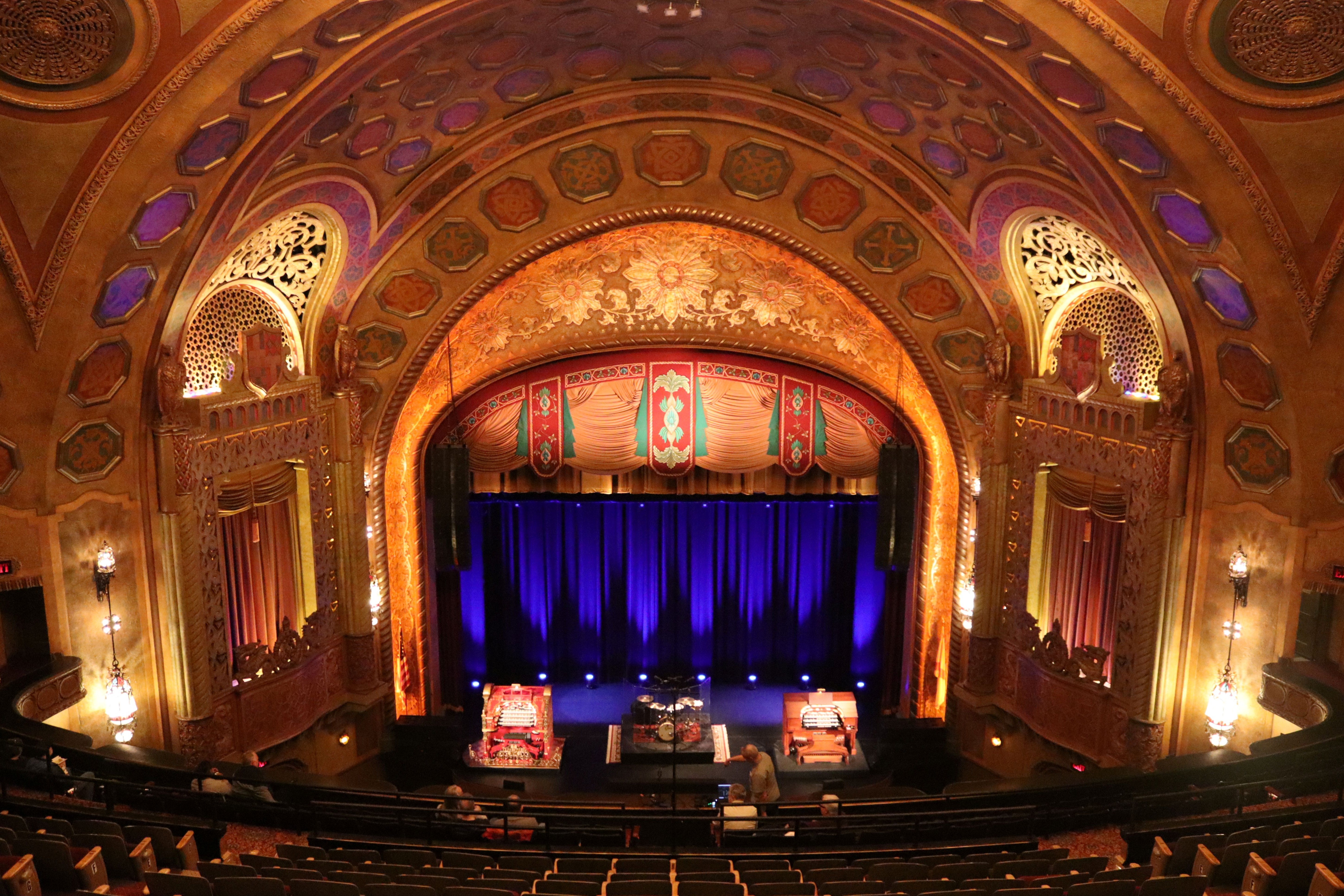
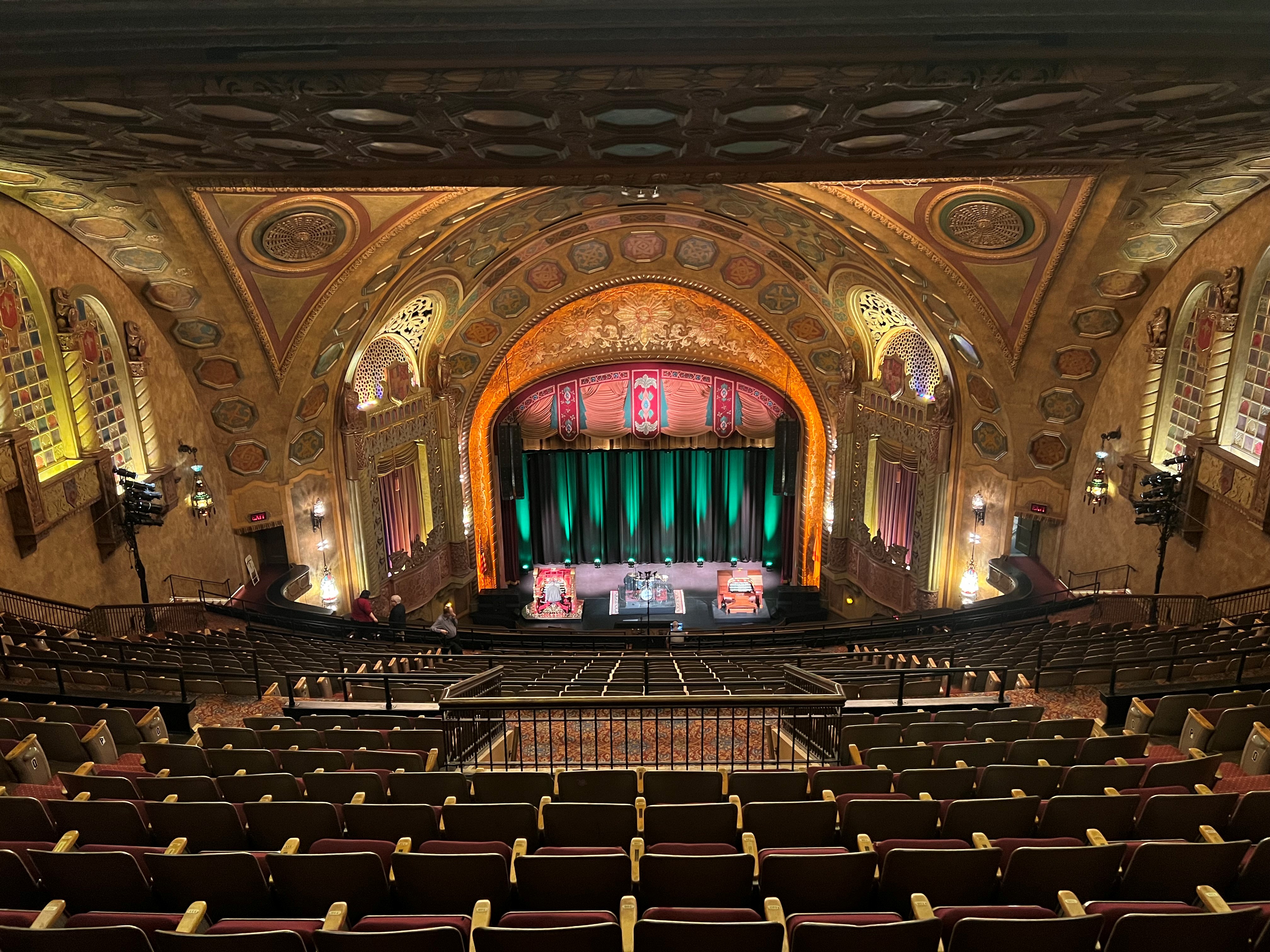
The most dramatic part of the theatre is, quite naturally, the stage and proscenium in the auditorium. Though the Alabama was built as a movie palace, it has space for the performing arts as well.
Organs
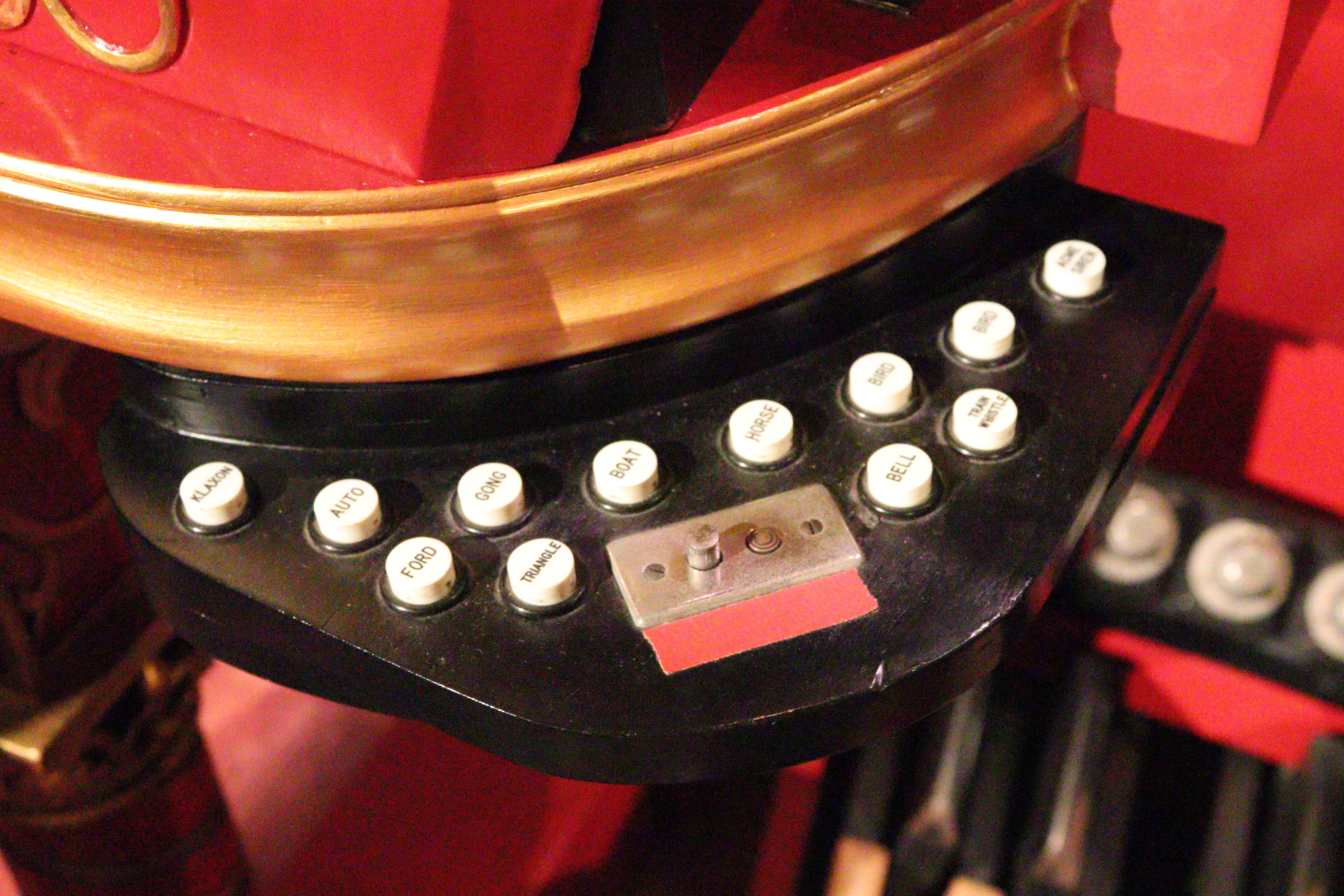
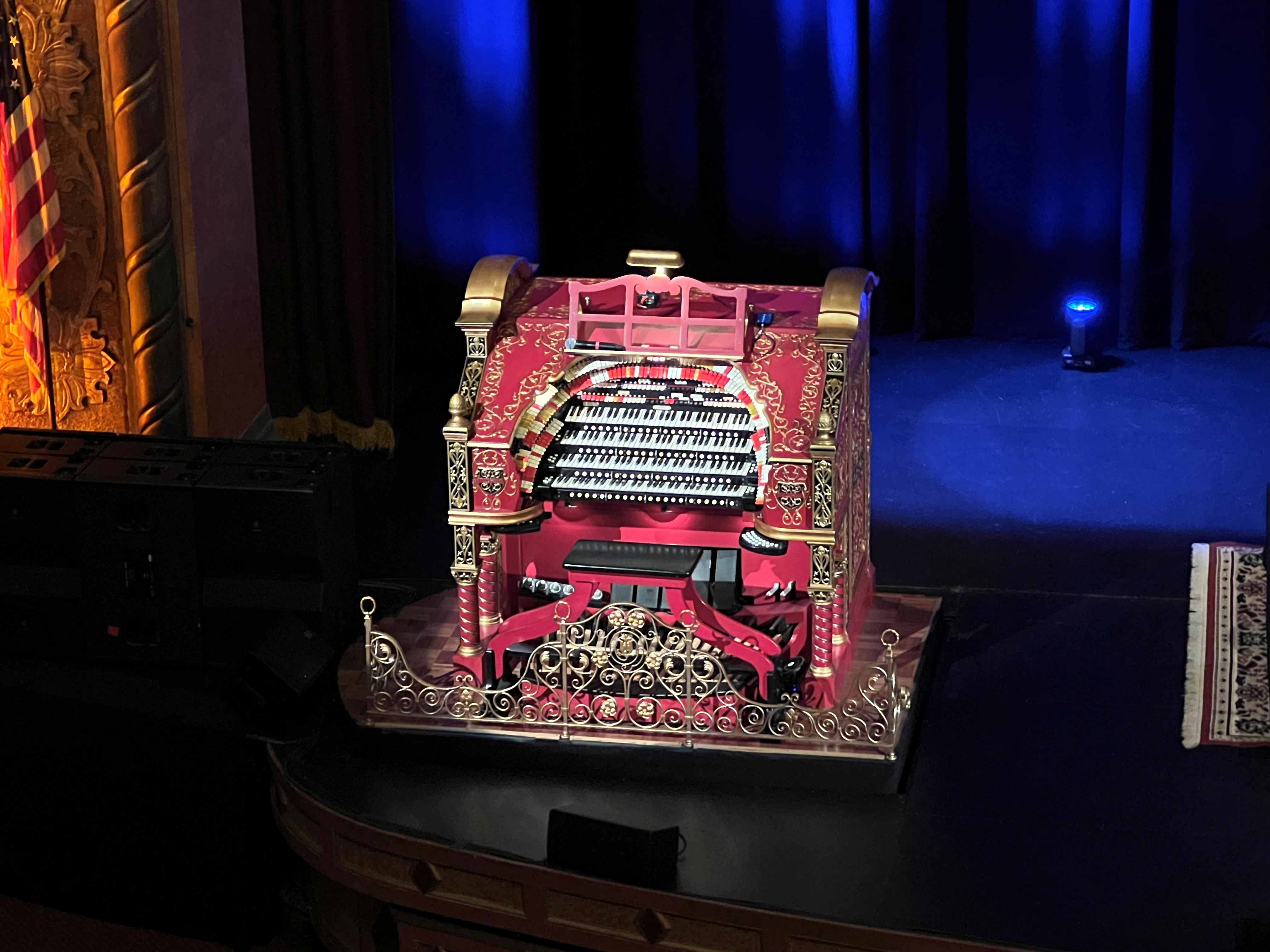
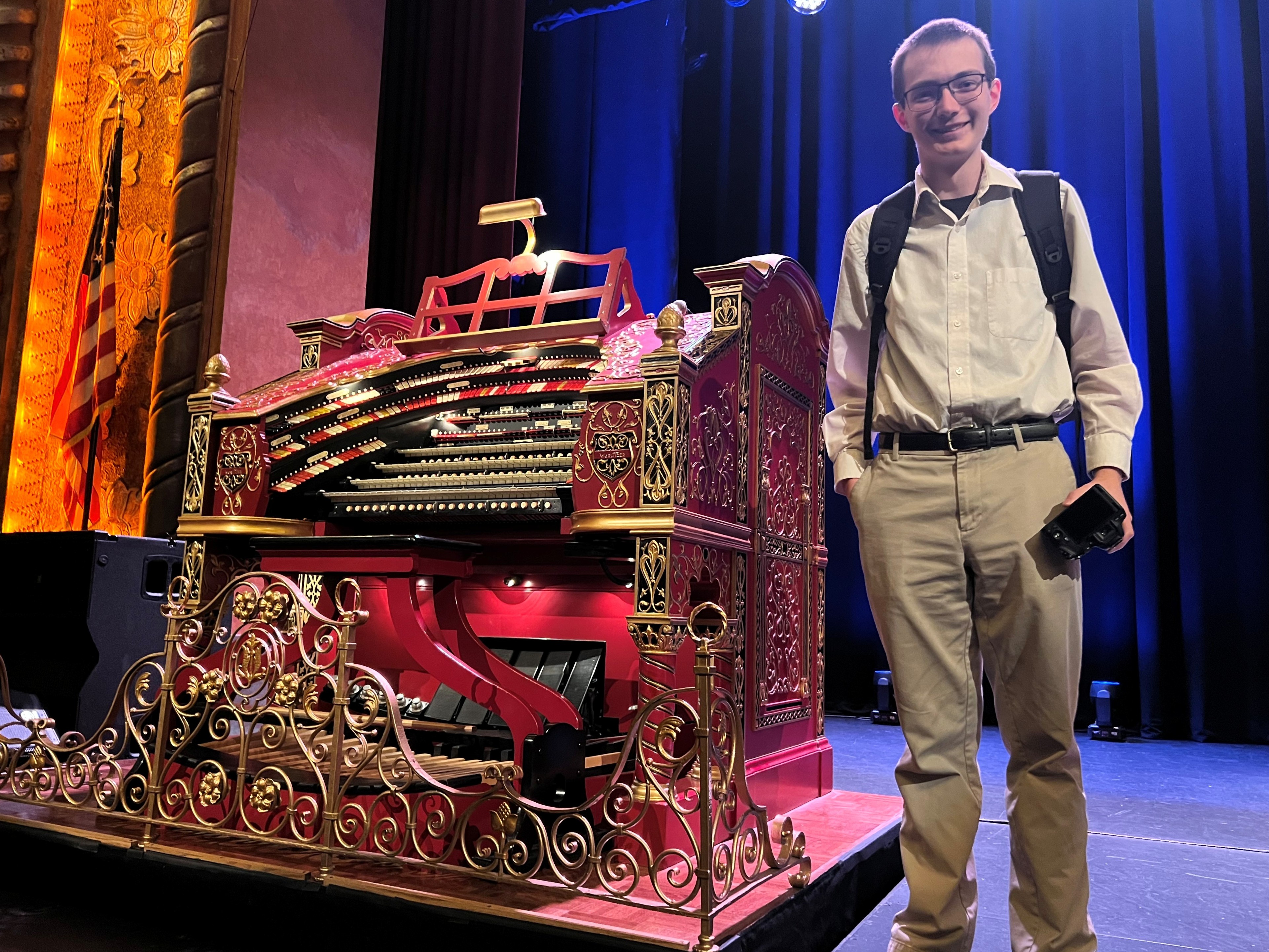
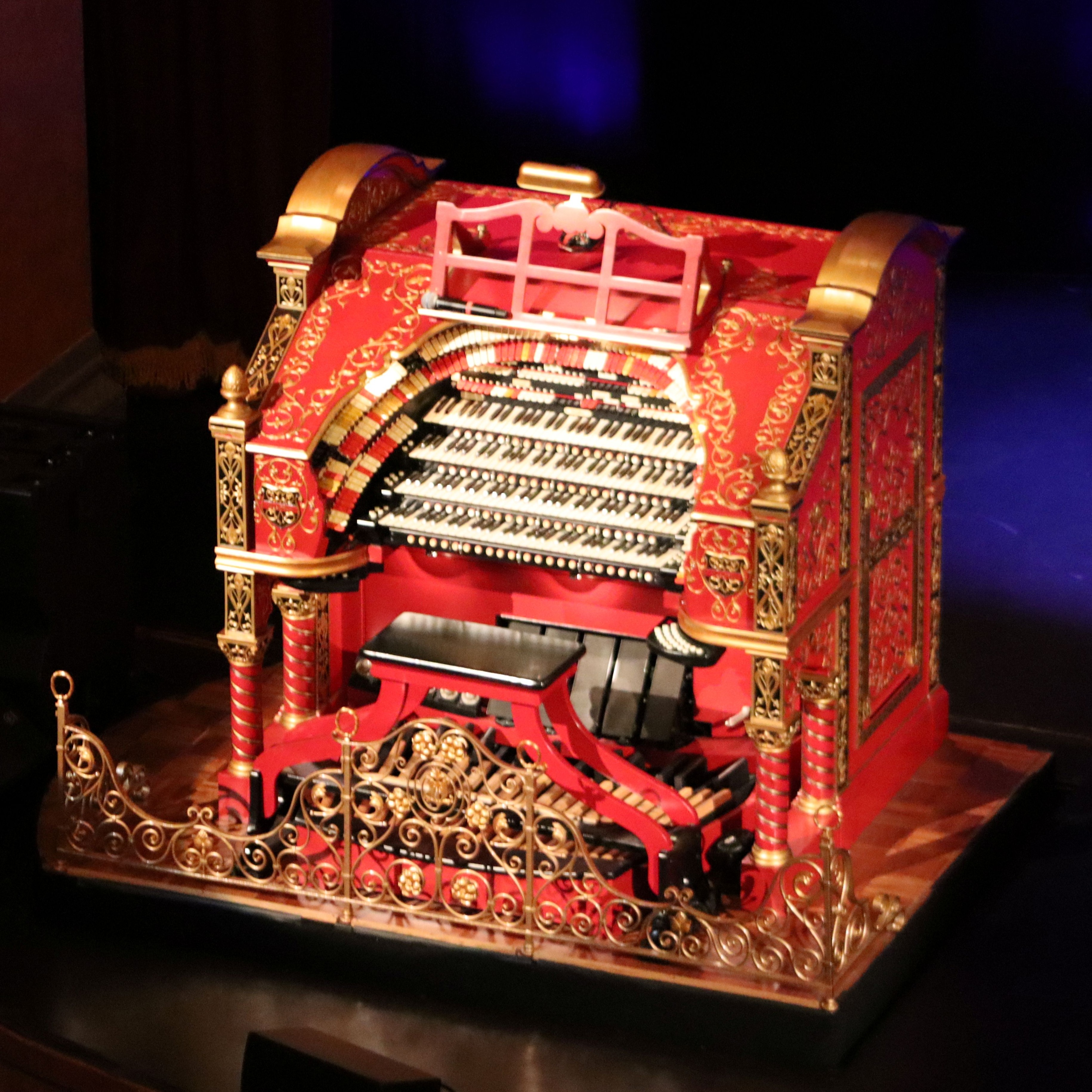
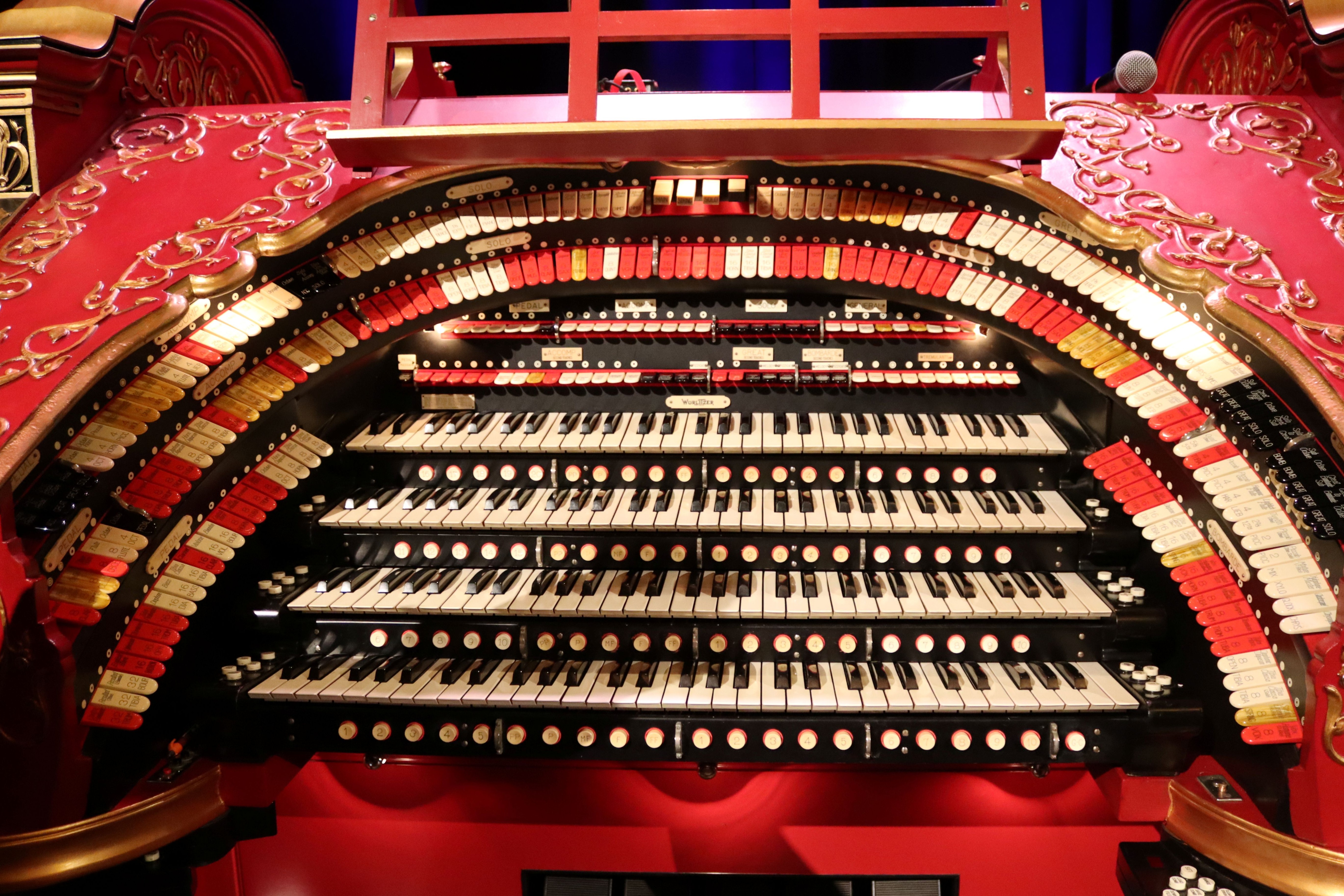
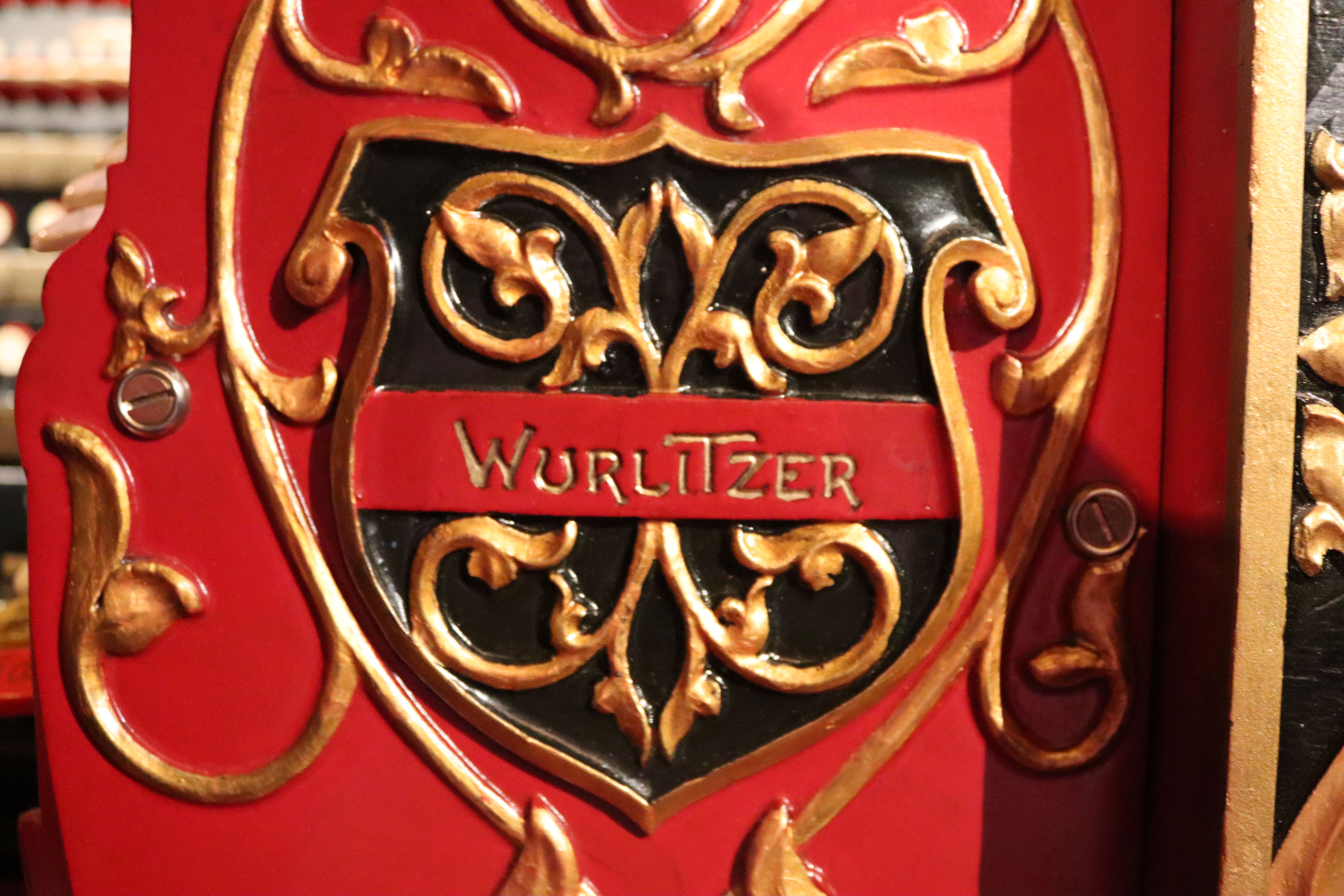
The red organ console shown here is a Wurlitzer known as “Bertha” that has been at the theatre since it opened. It is a one-of-a-kind piece, as Wurlitzer never built another organ identical to it. The penultimate picture is the collection of buttons called the “junk drawer” that allows for more unique sounds that work well for silent films.
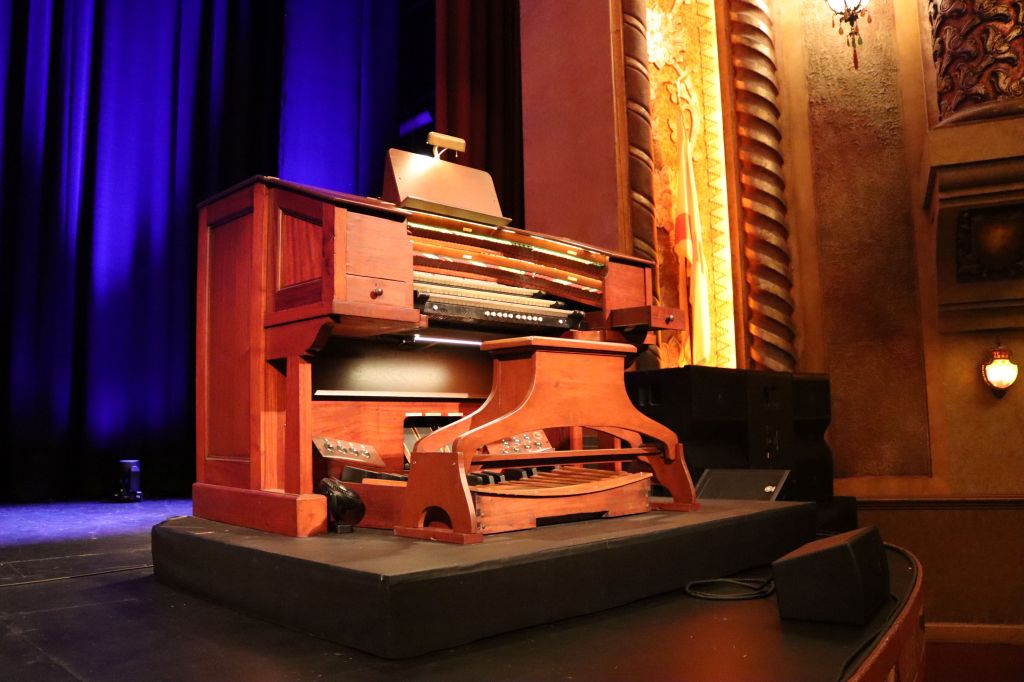
The wooden console on the right side of the stage was the temporary replacement built while Bertha was being restored. Because it is built from several different consoles, it is called “Frankie,” short for Frankenstein.
Organ Chambers
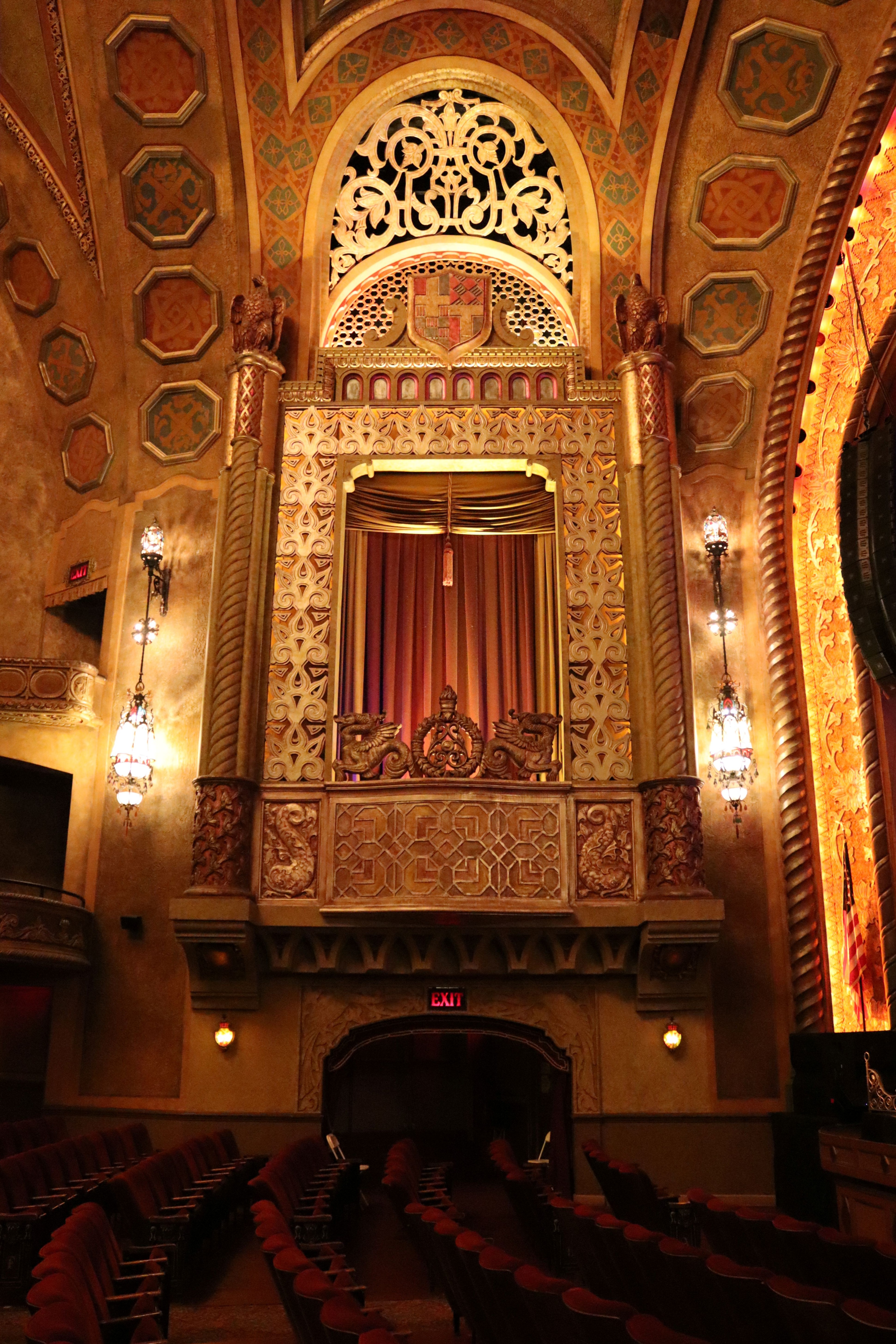
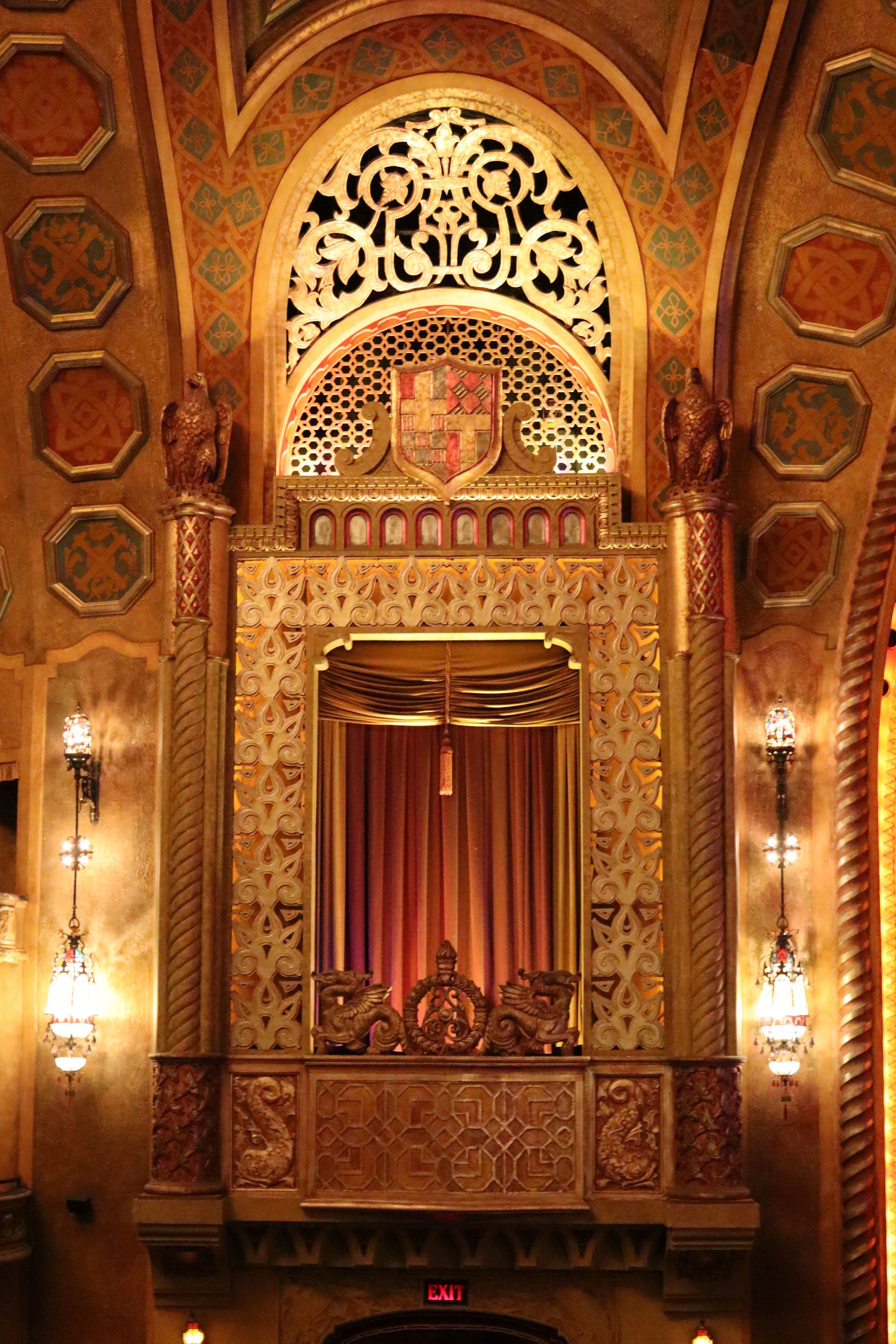
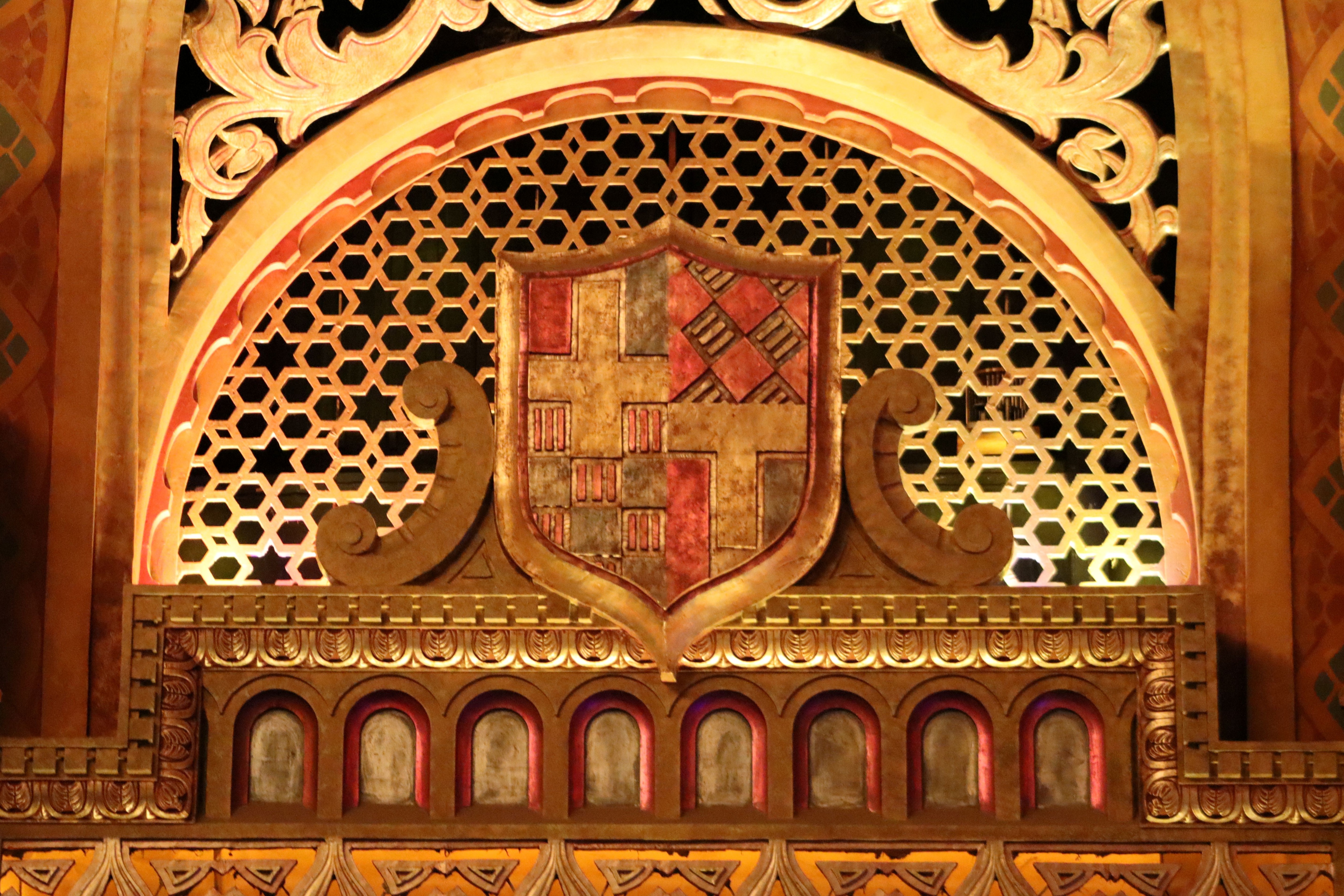
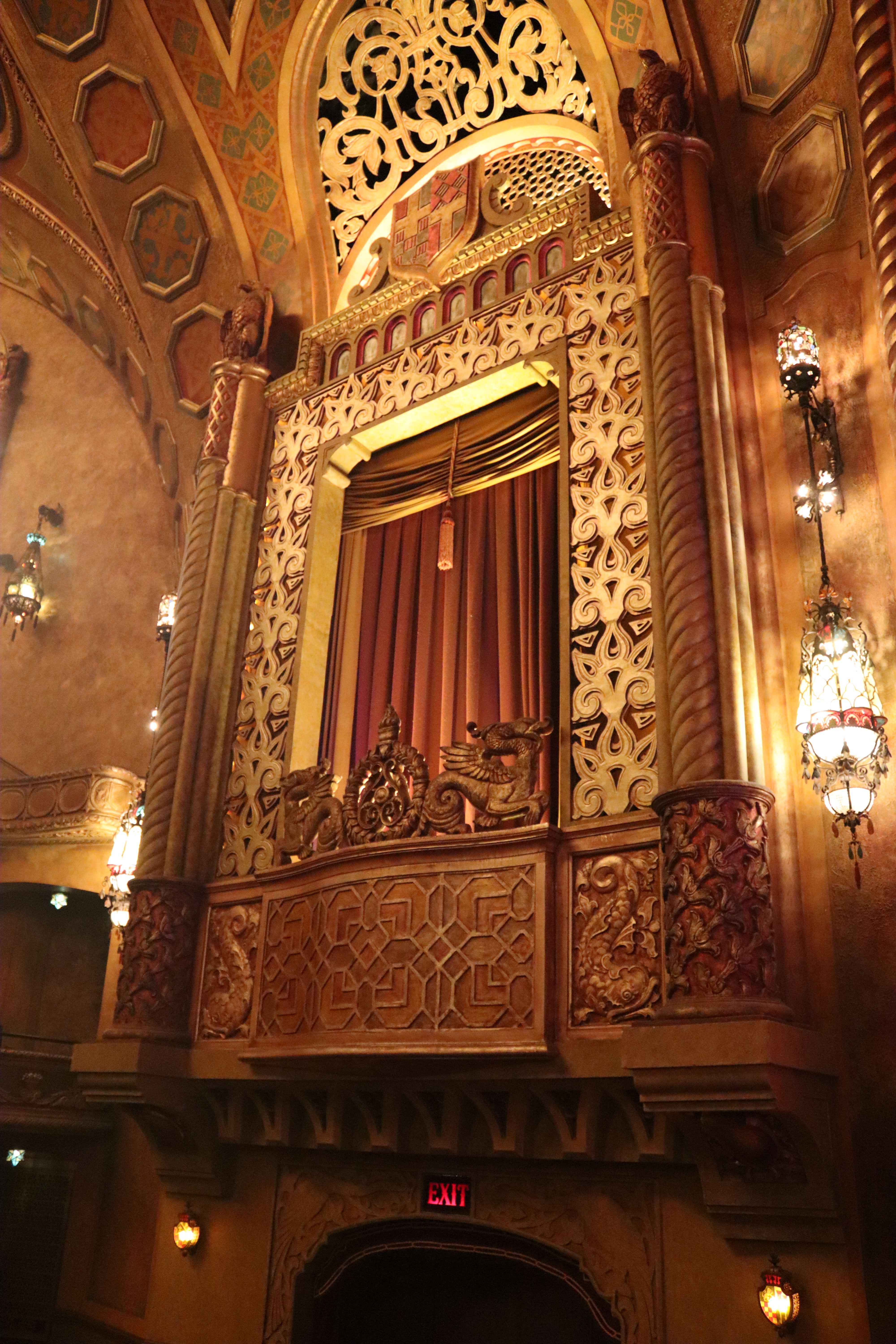
The chambers for the organ are hidden on each side of the proscenium in what looks like box seats. For some reason, only my photos of the left side turned out well.
Balcony
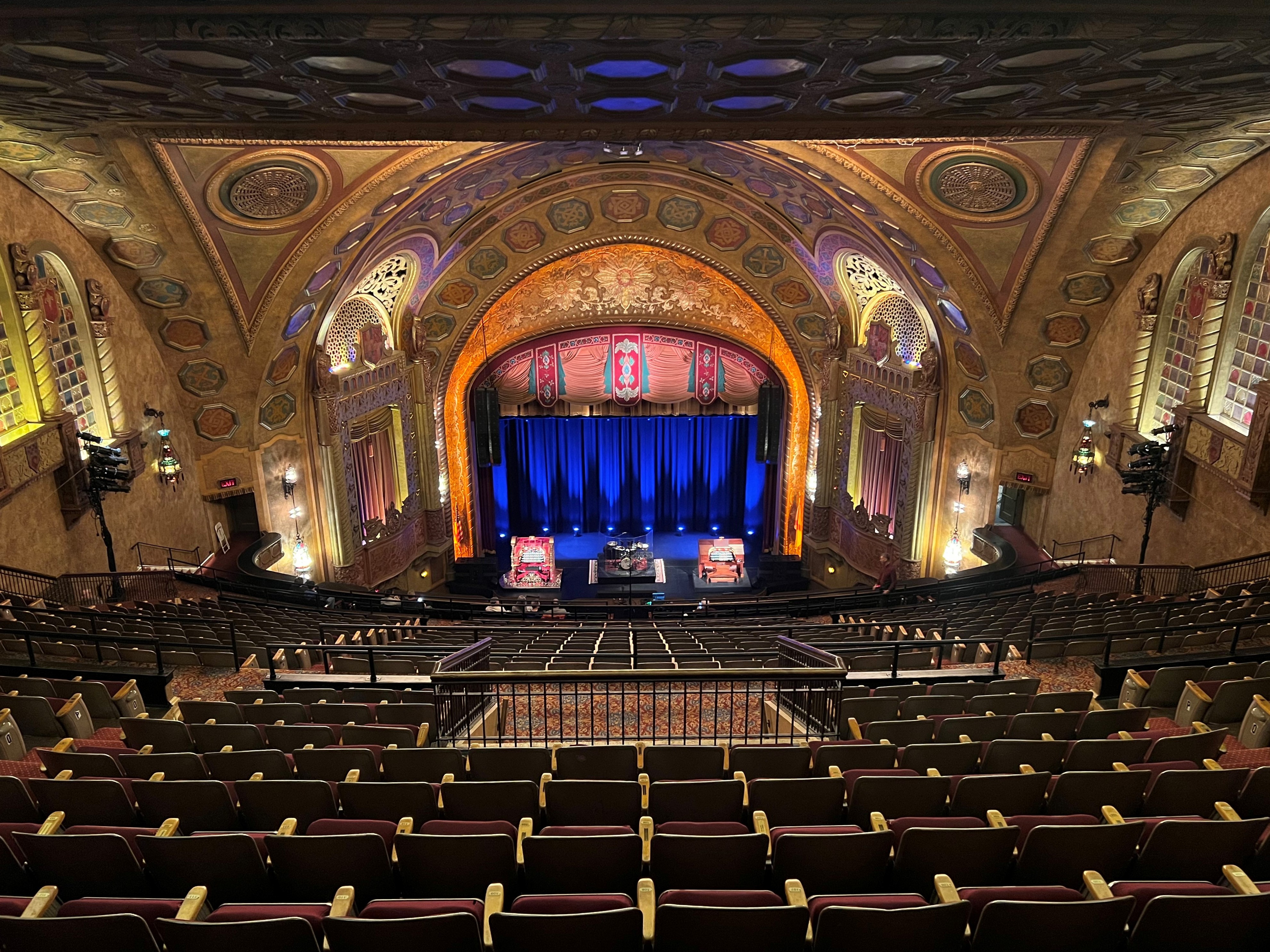
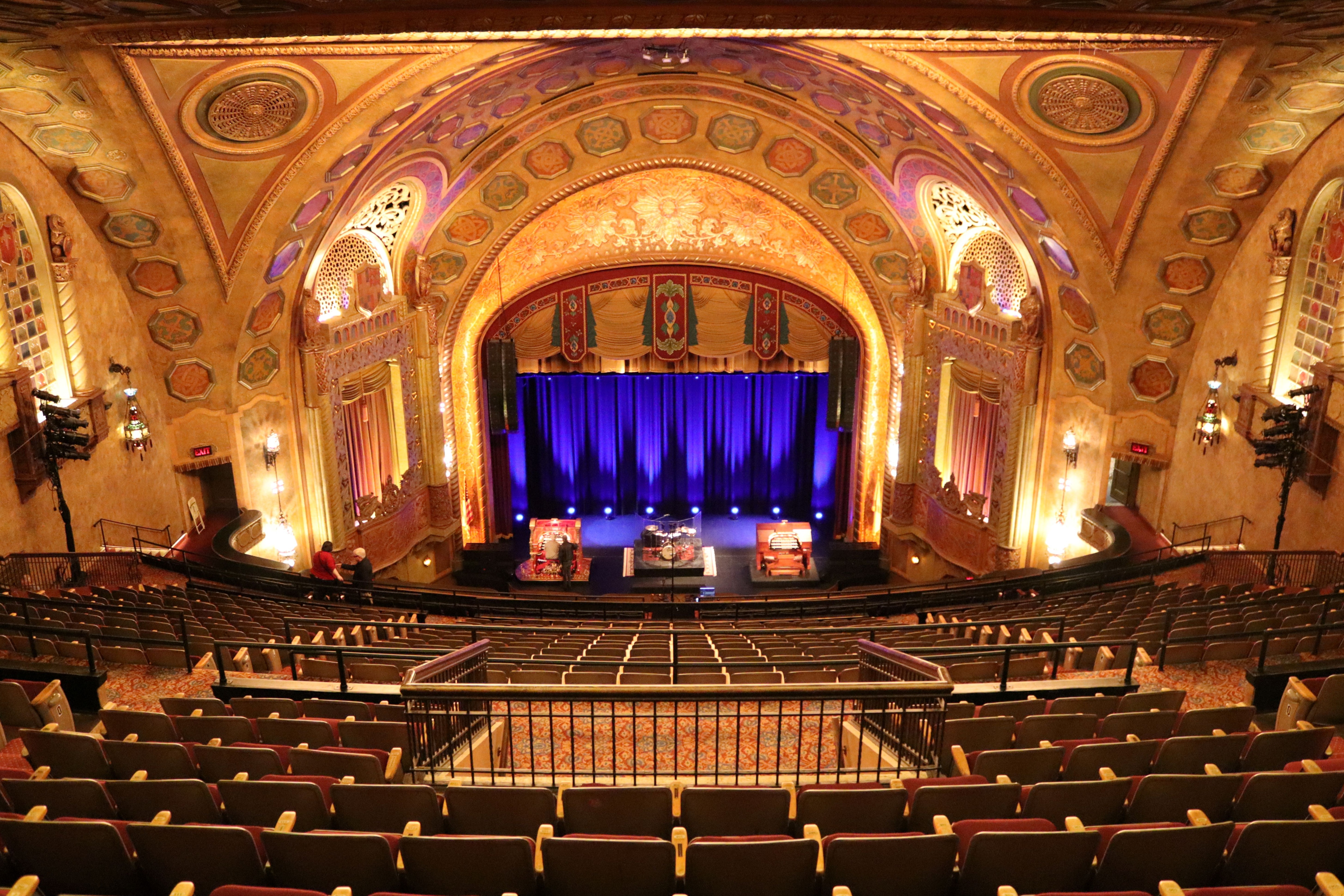
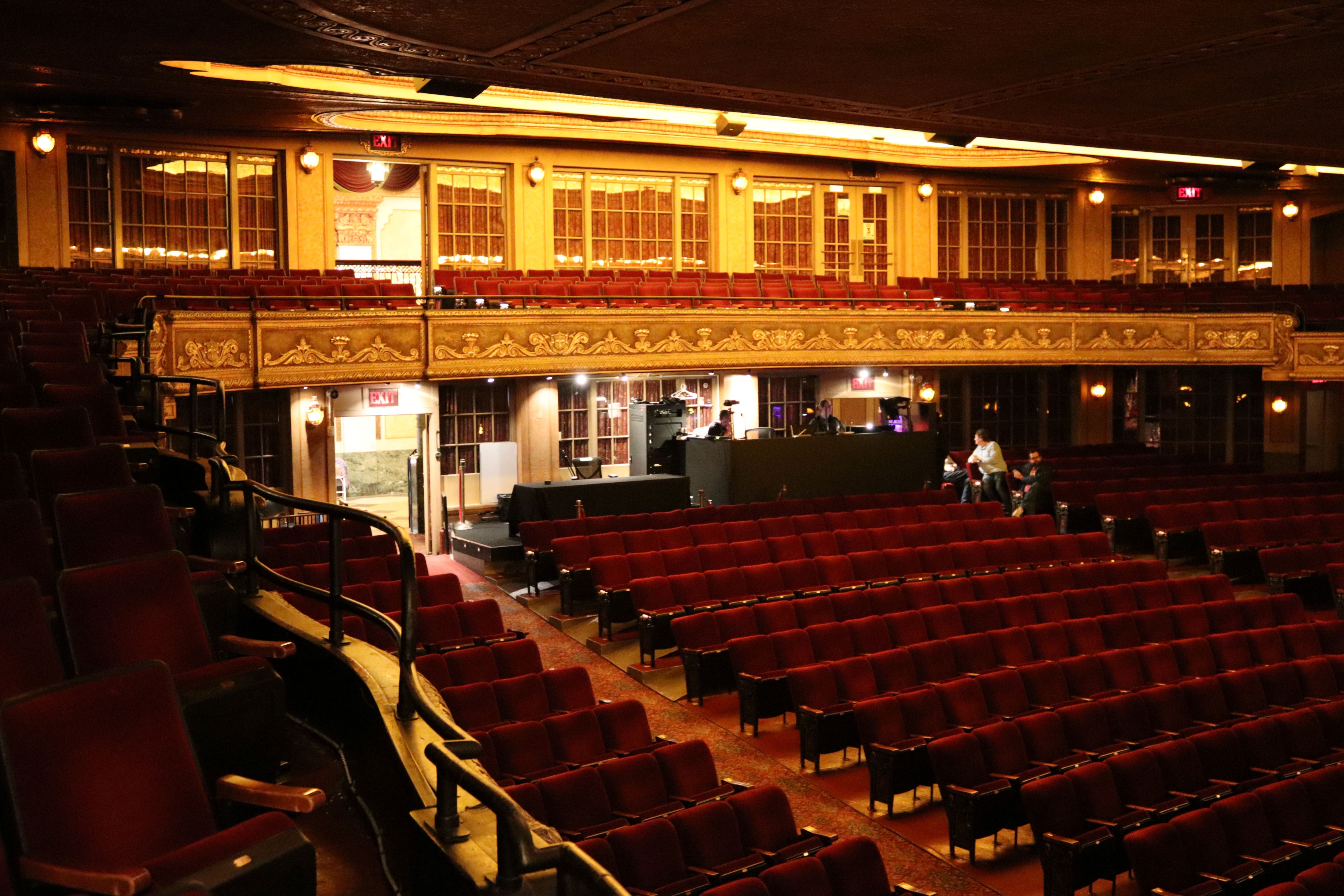
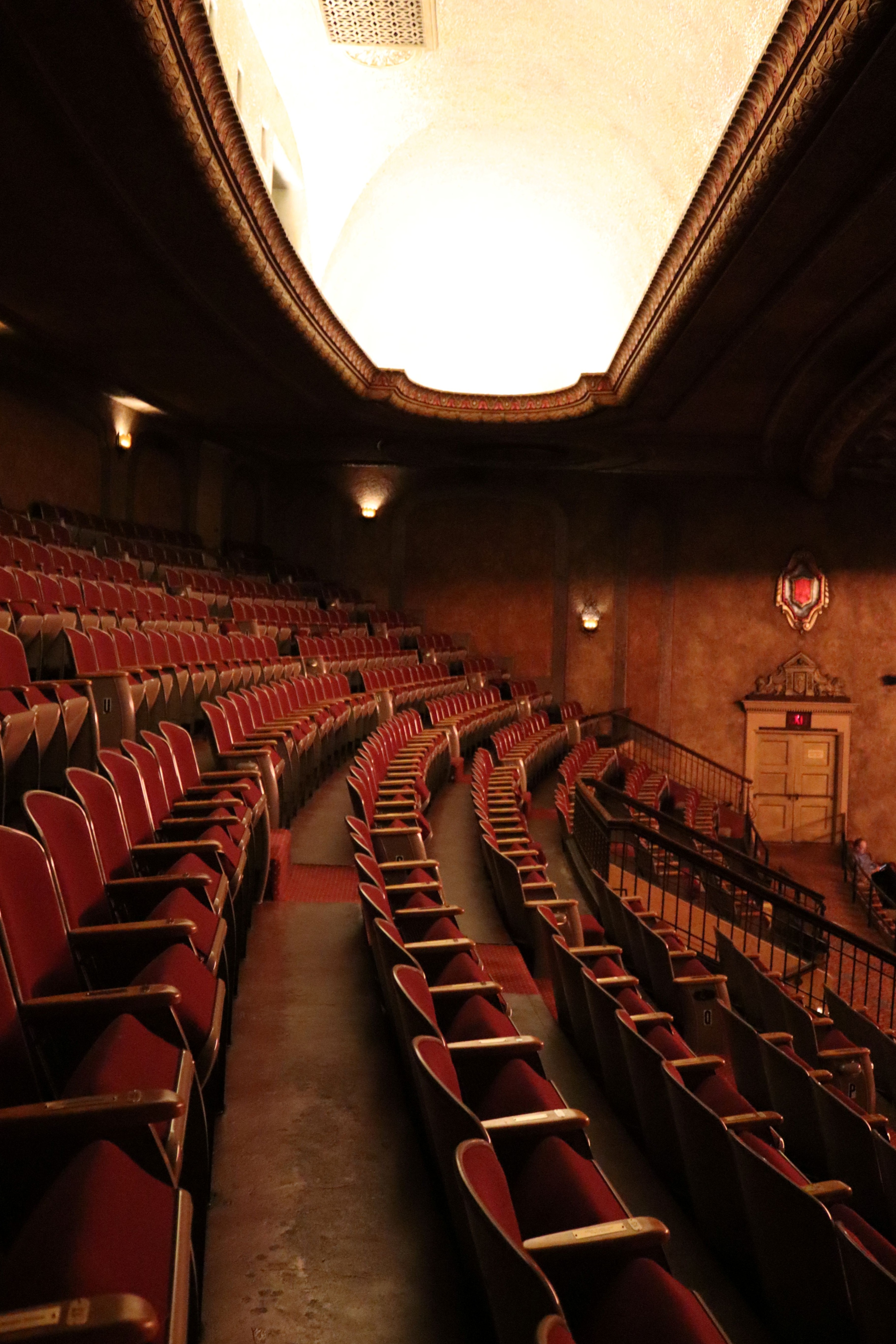
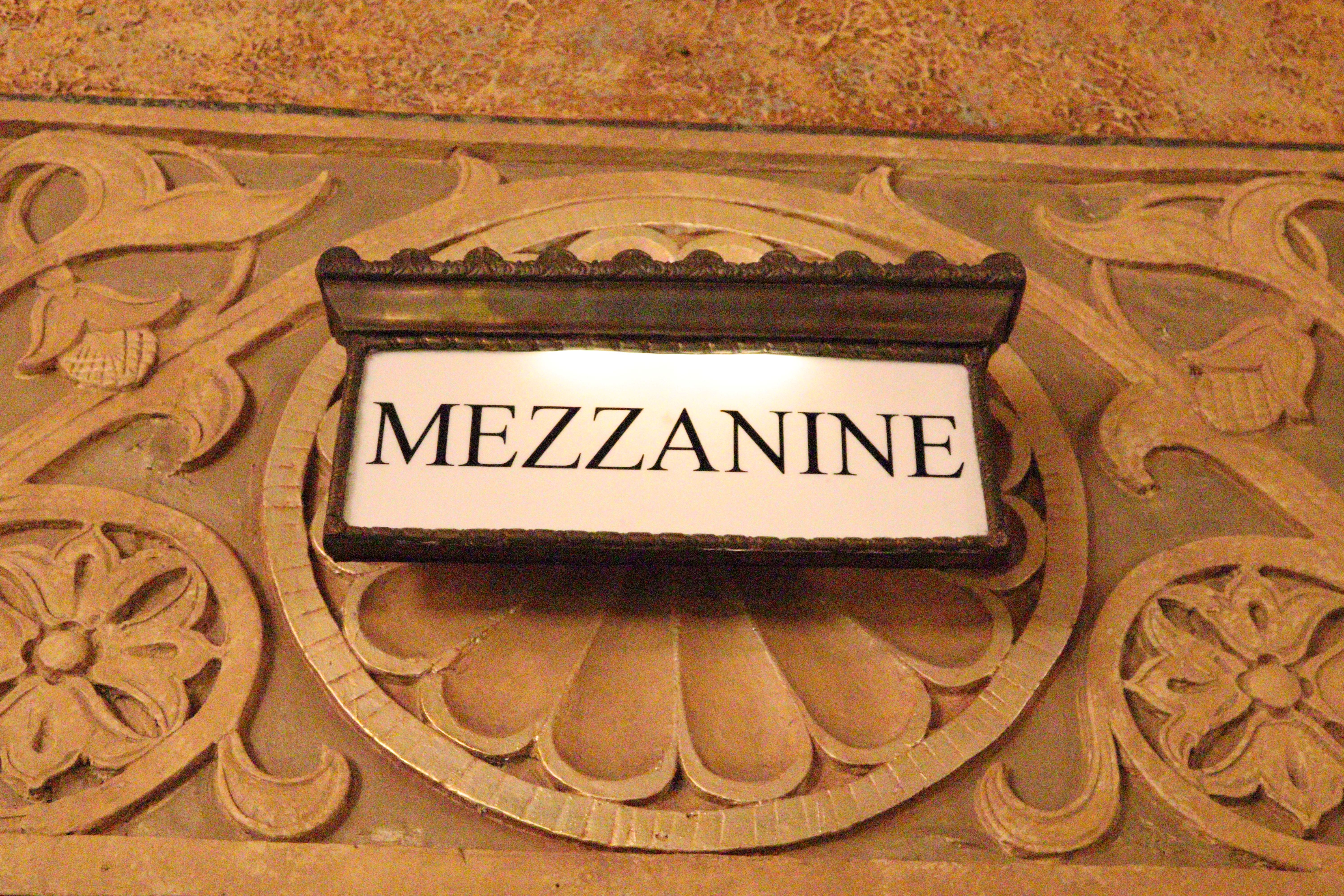
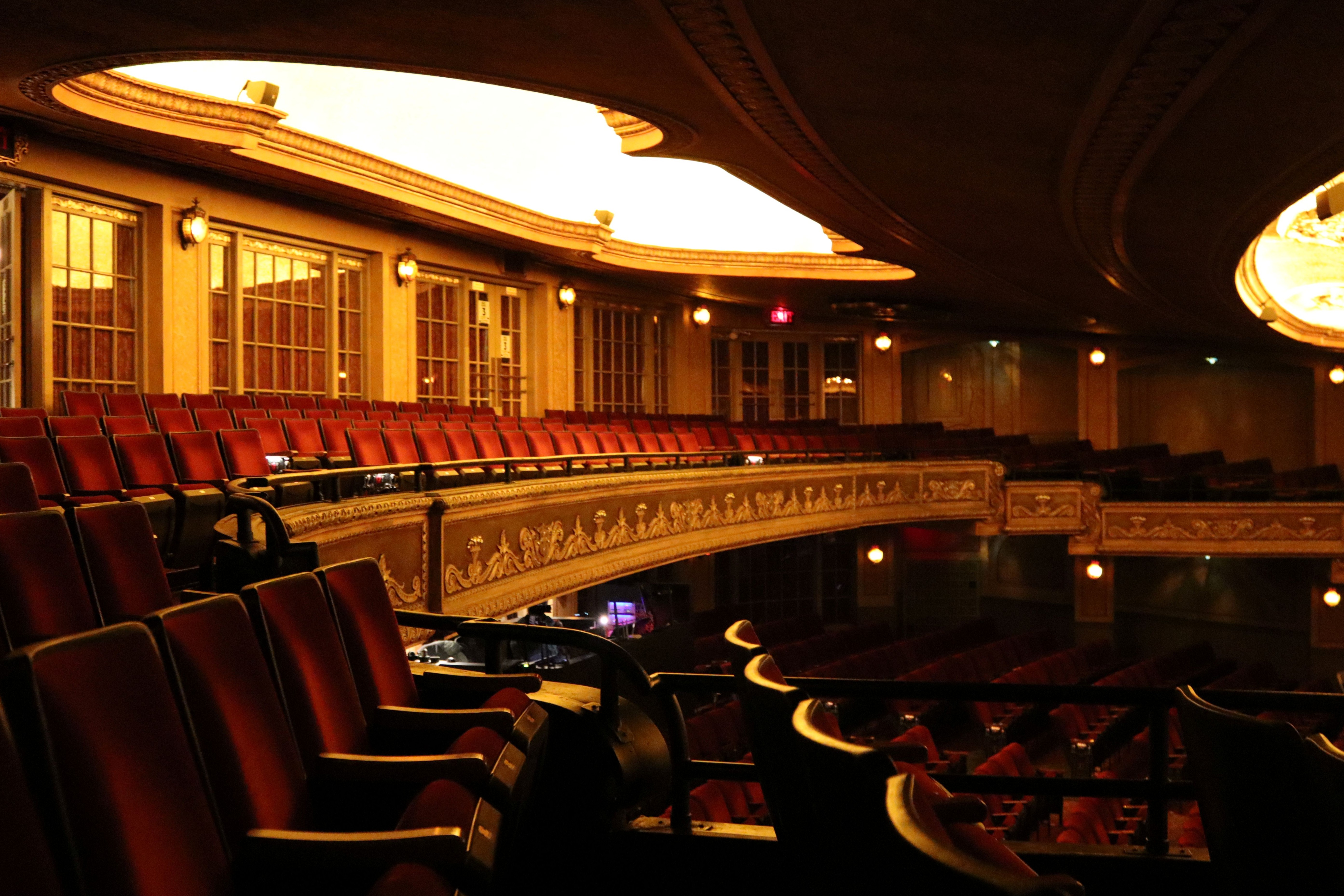
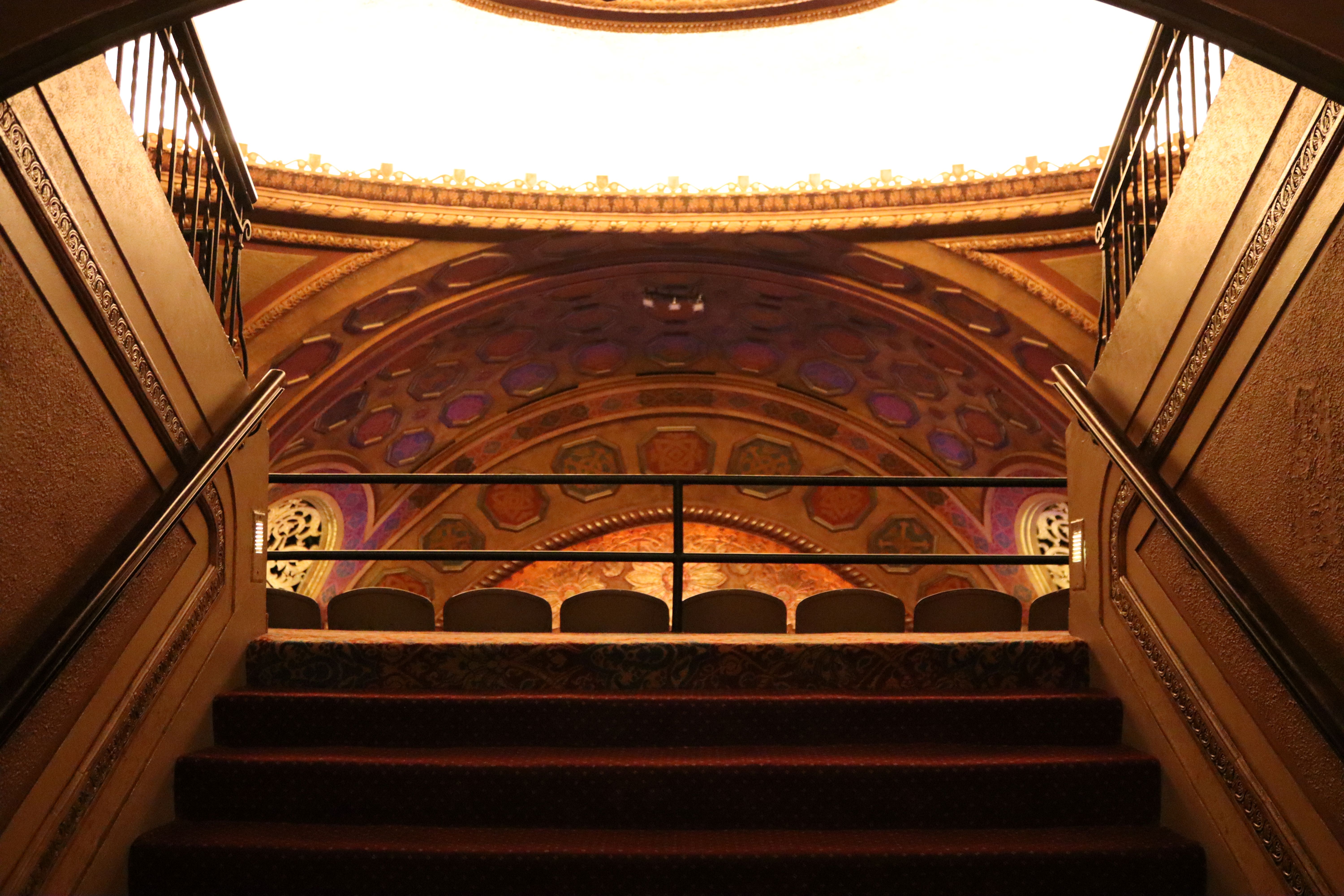
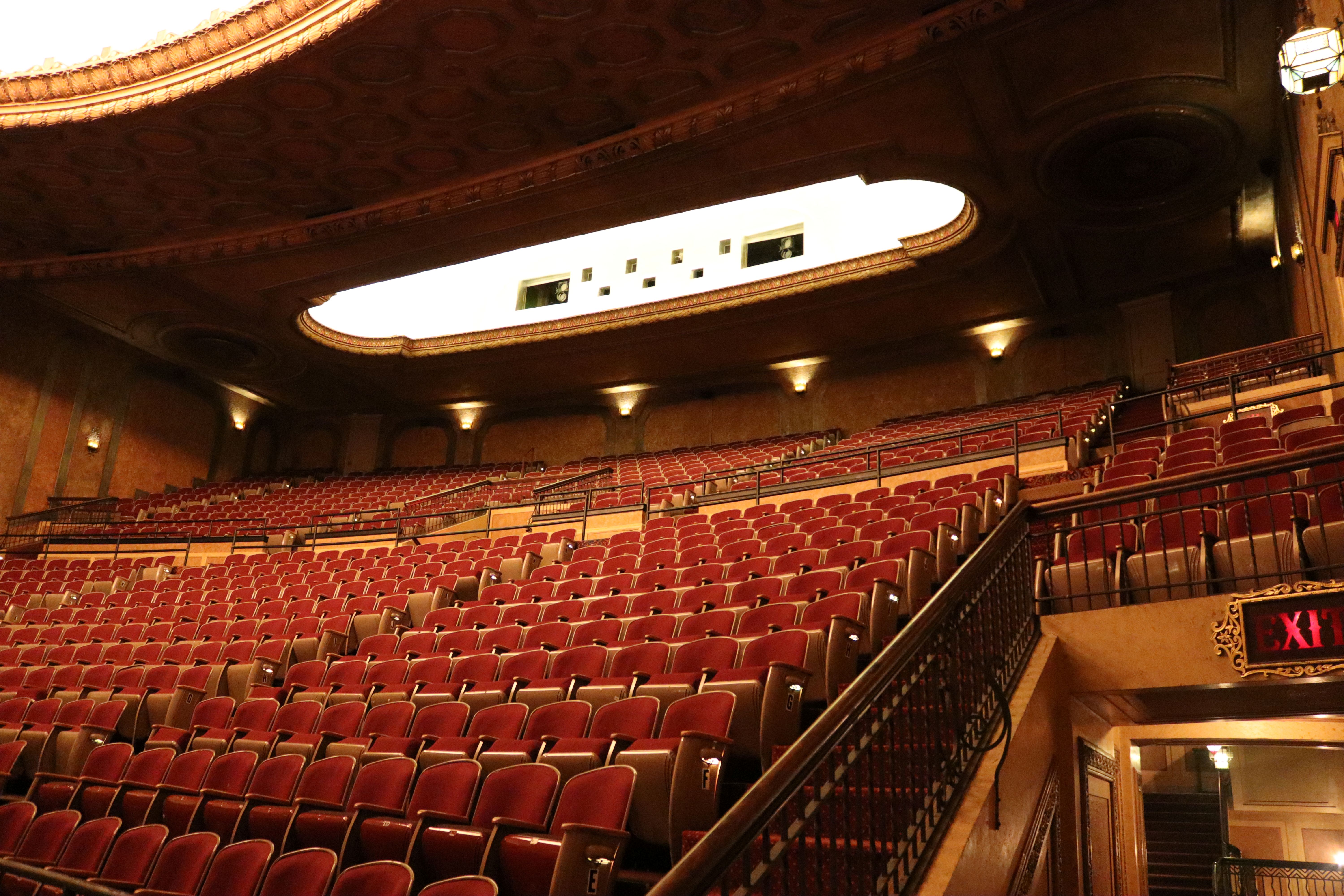
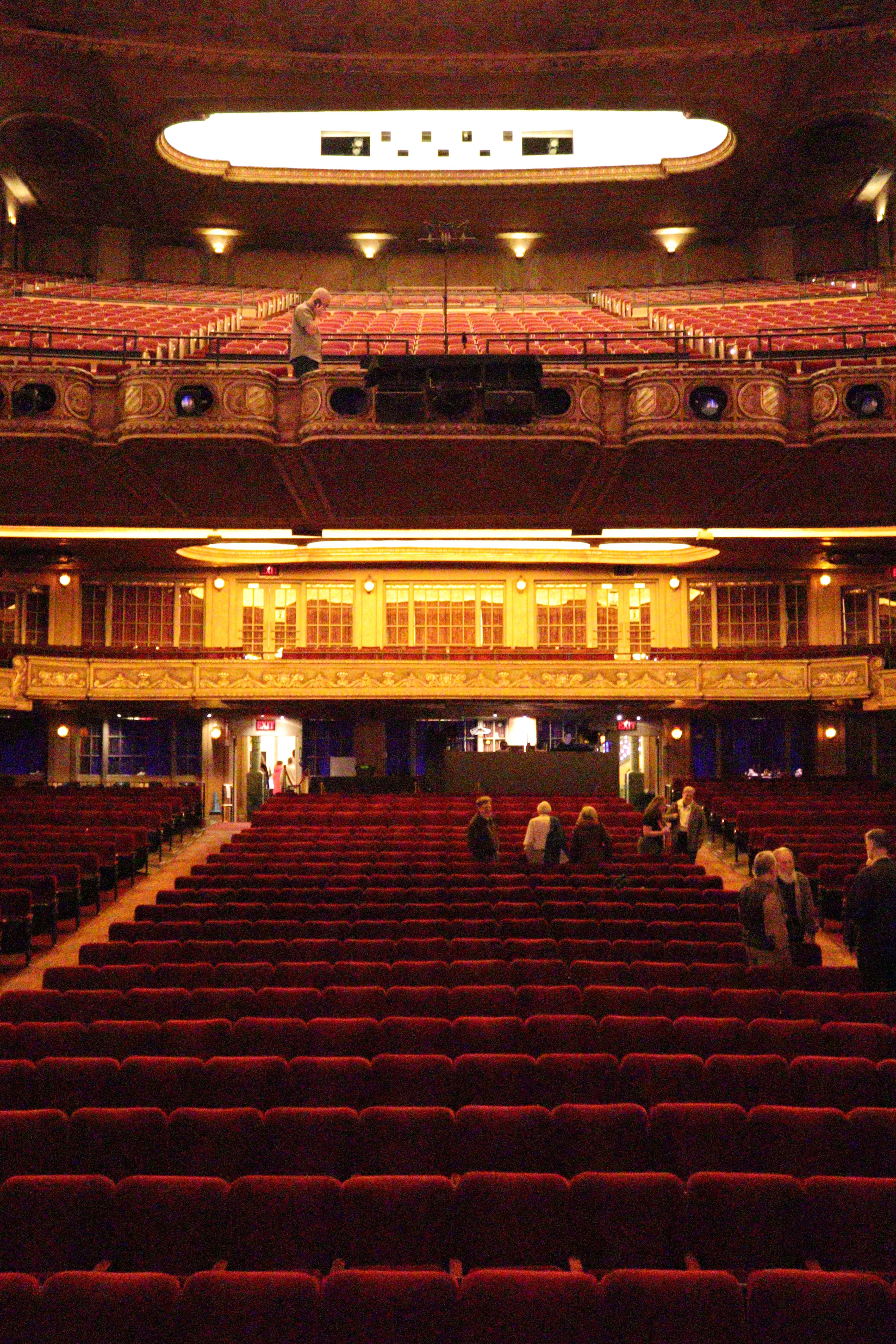
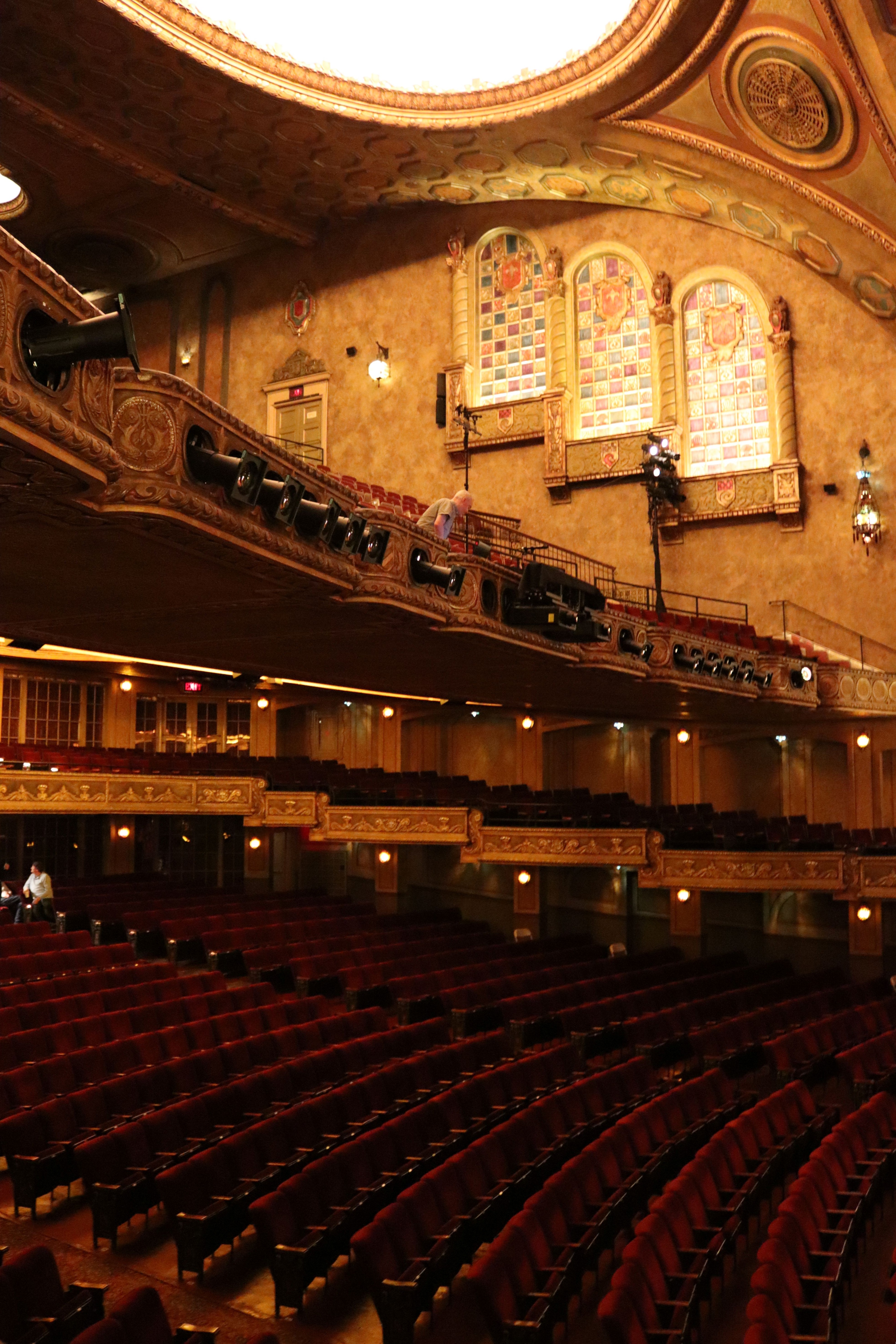
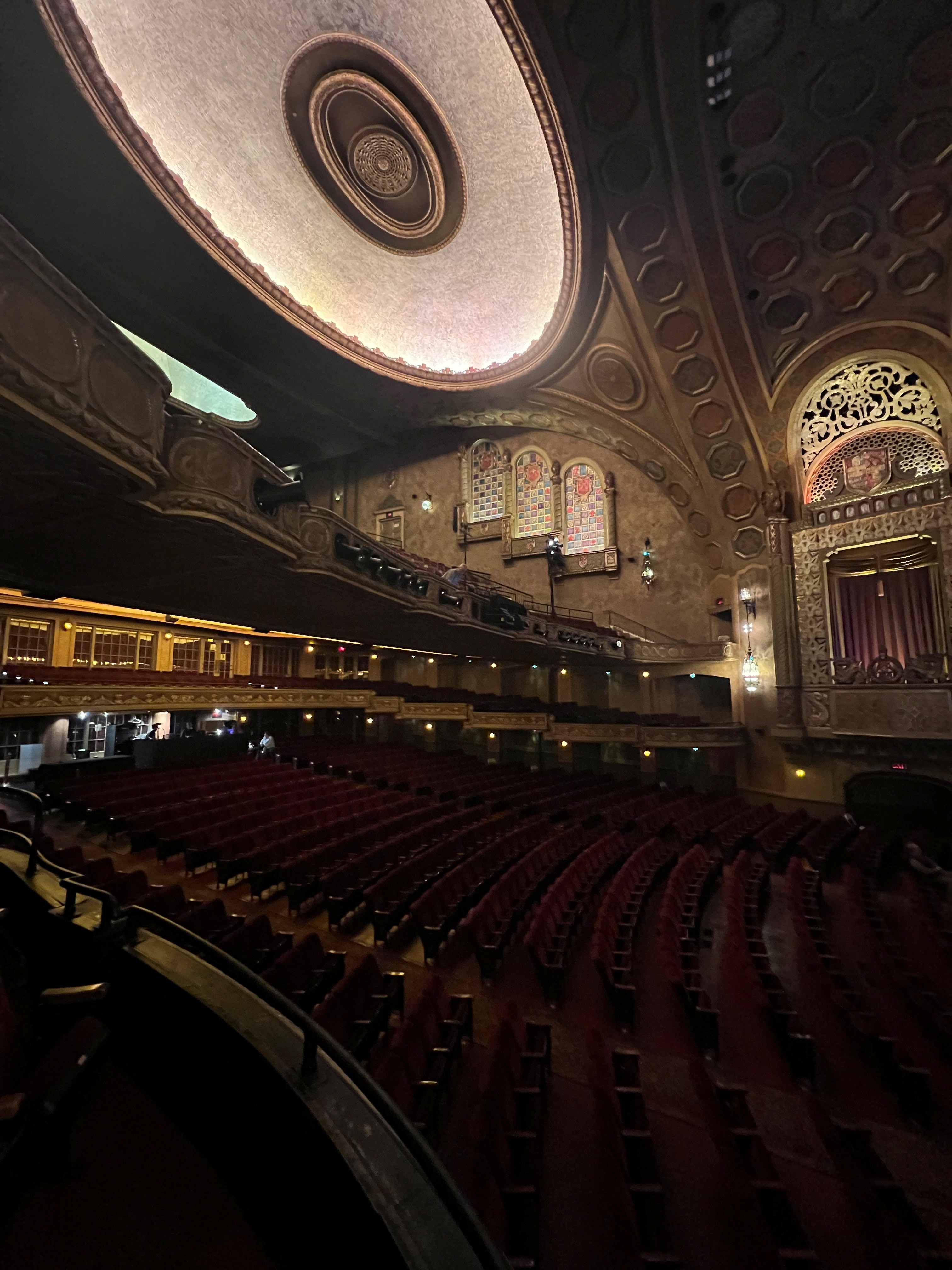
The auditorium is four stories: a main floor, a much smaller mezzanine, and then a balcony with two stories. The whole theatre seats around 2,200 people, which is slightly smaller than its capacity on opening in 1927.
Auditorium
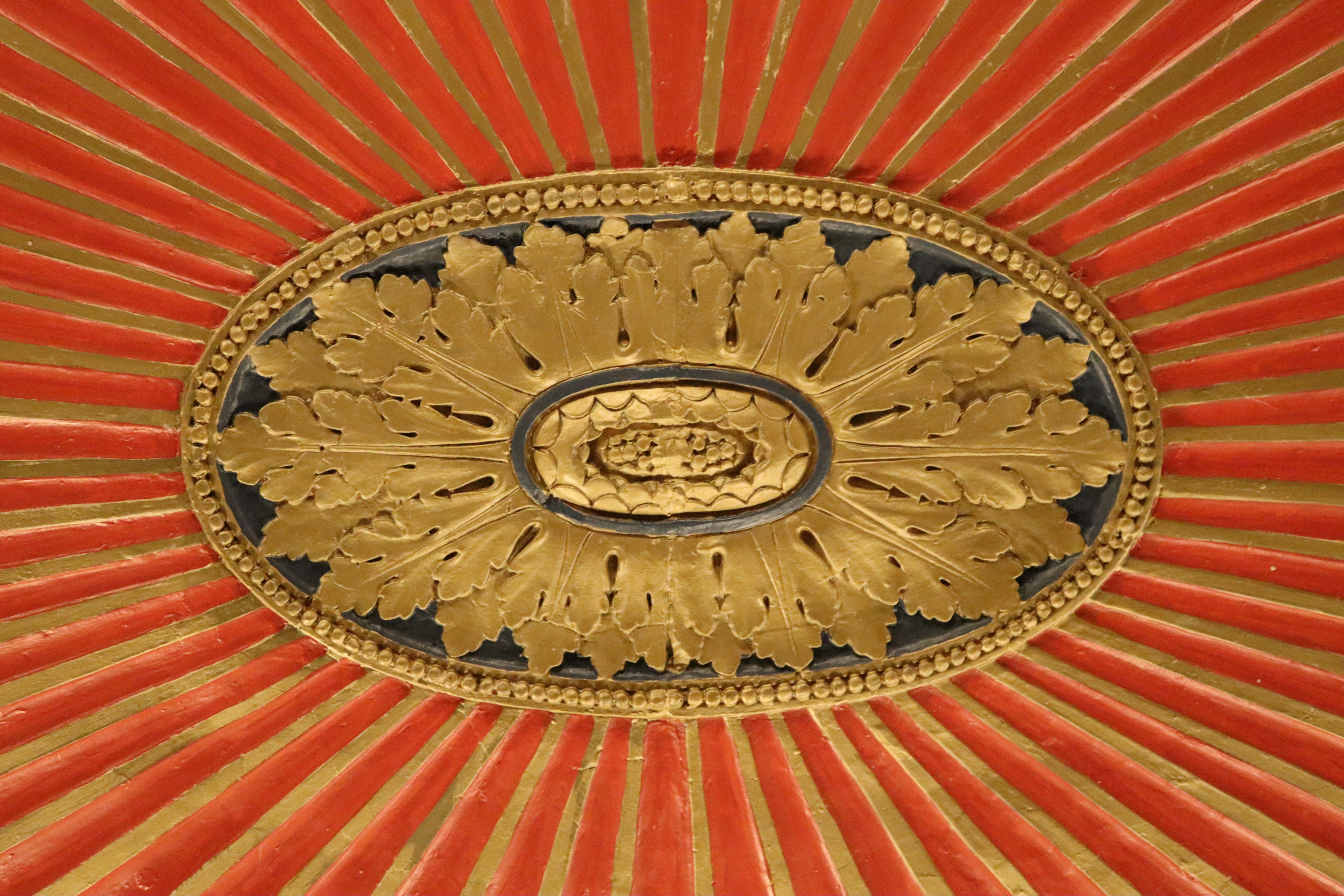
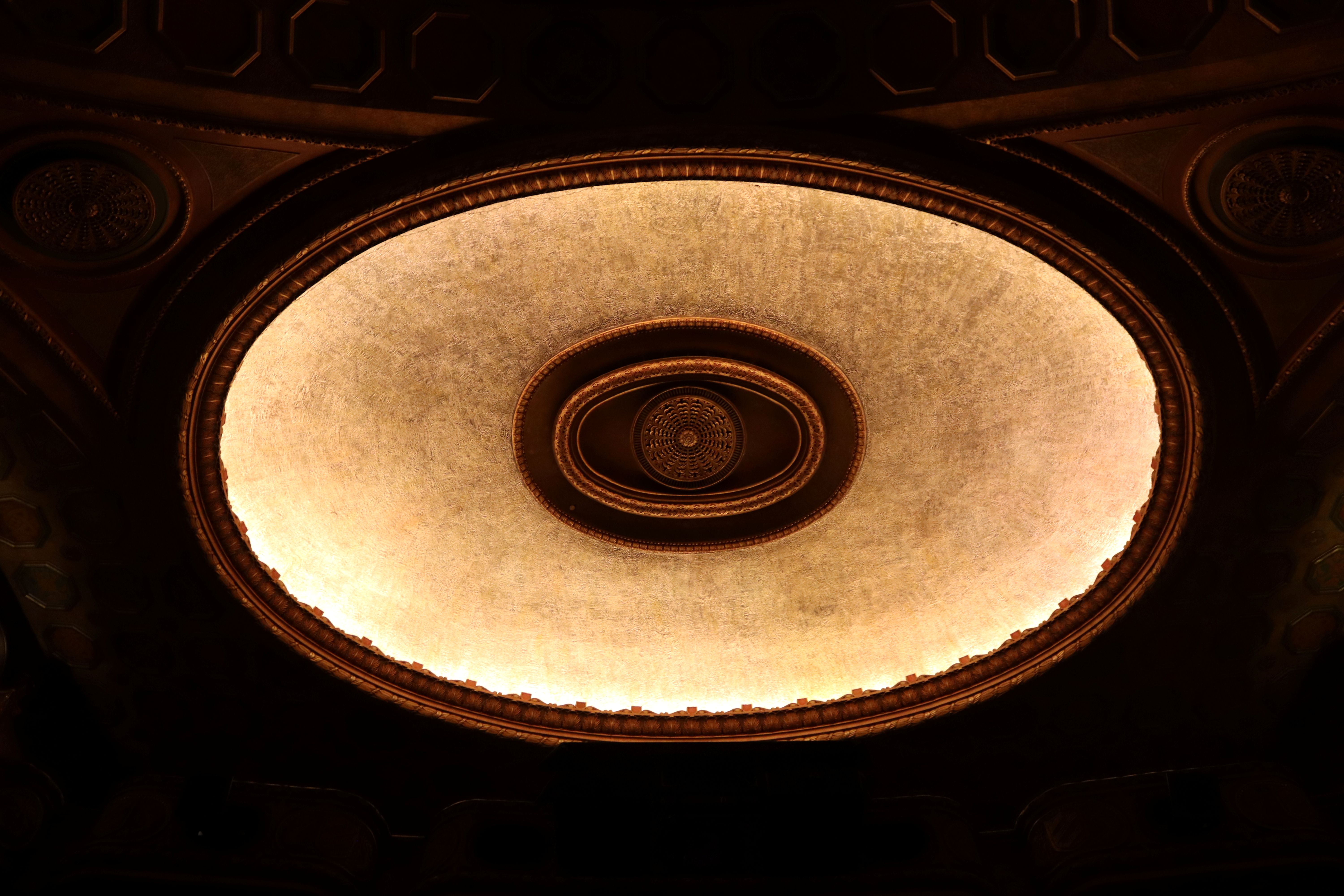
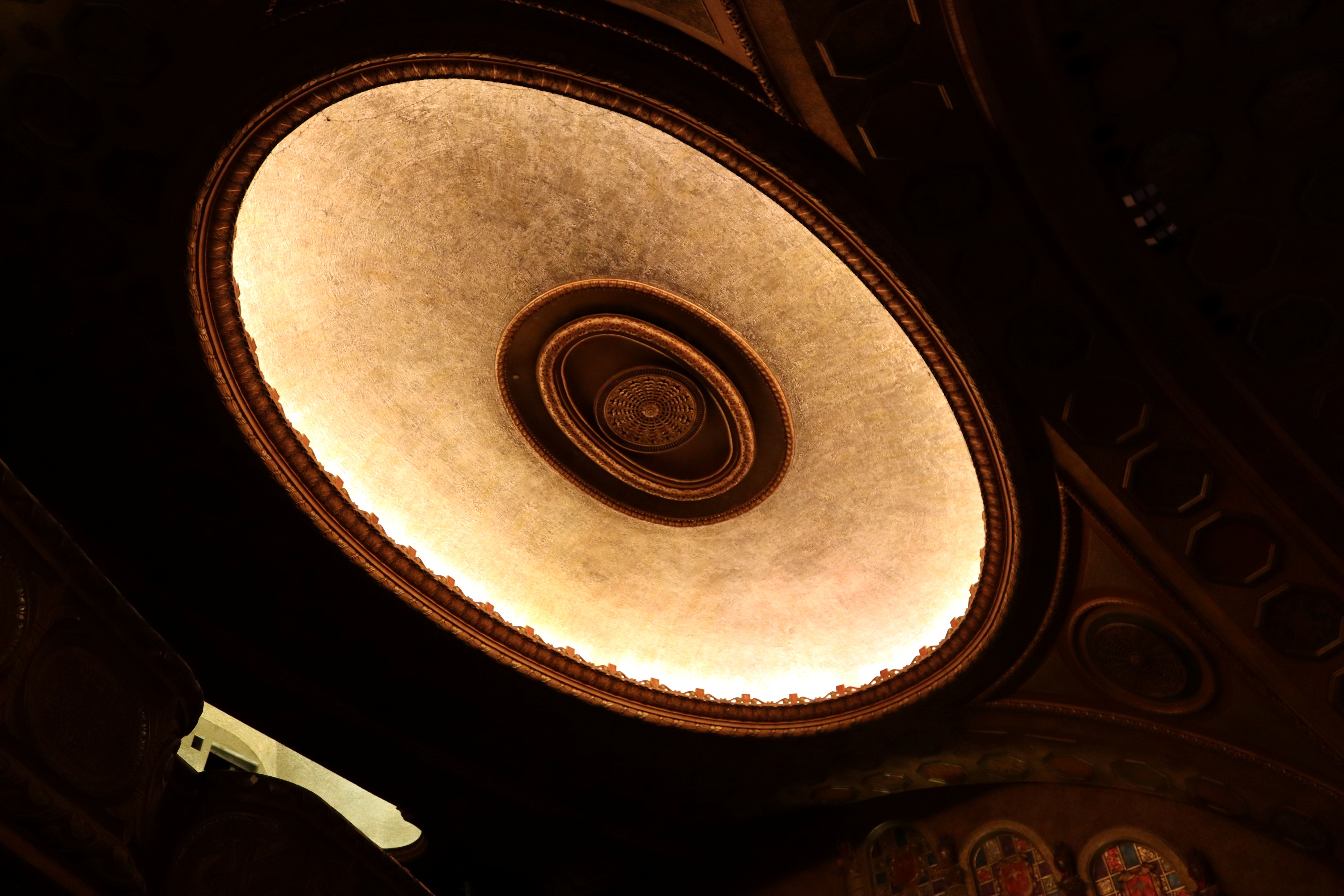
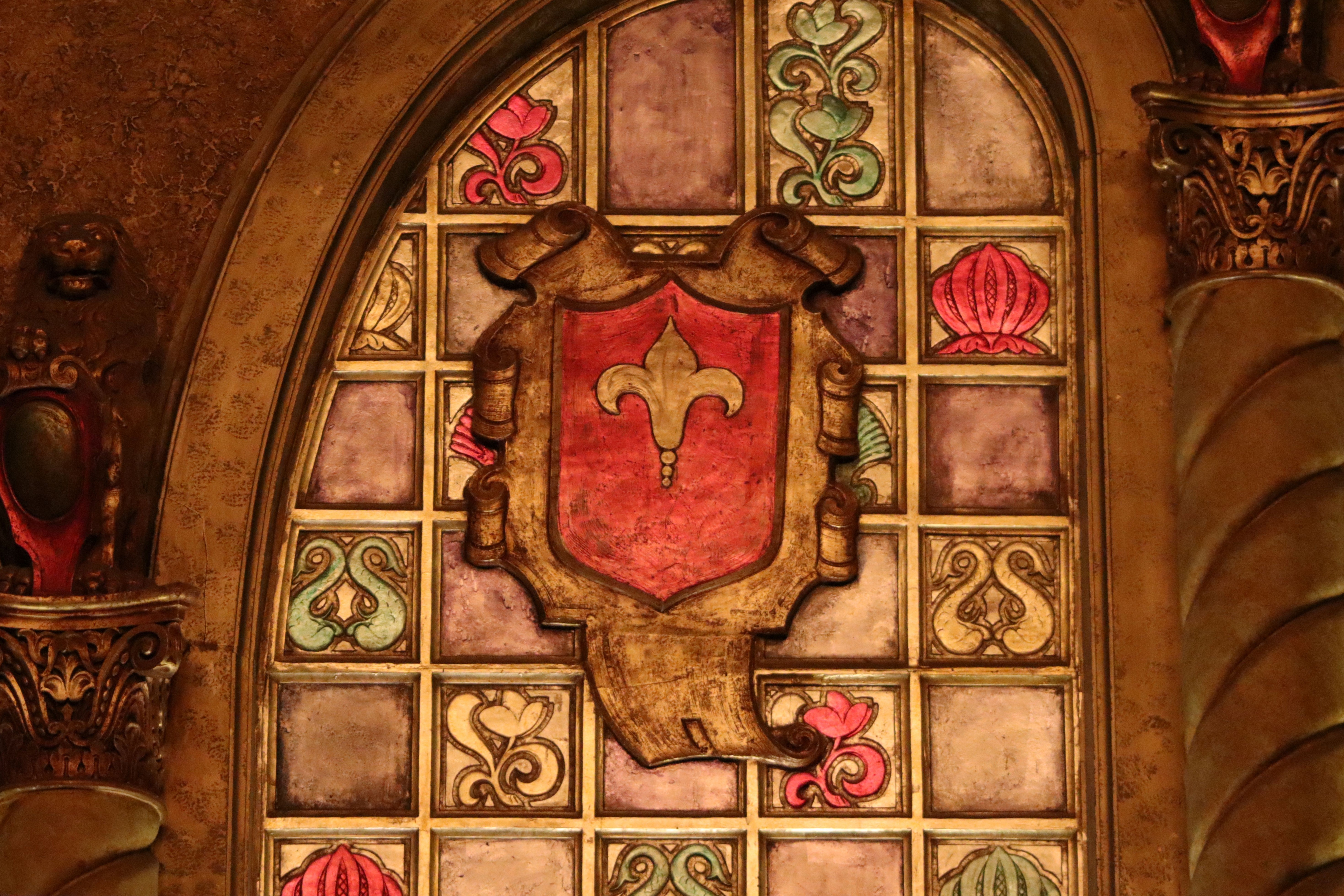
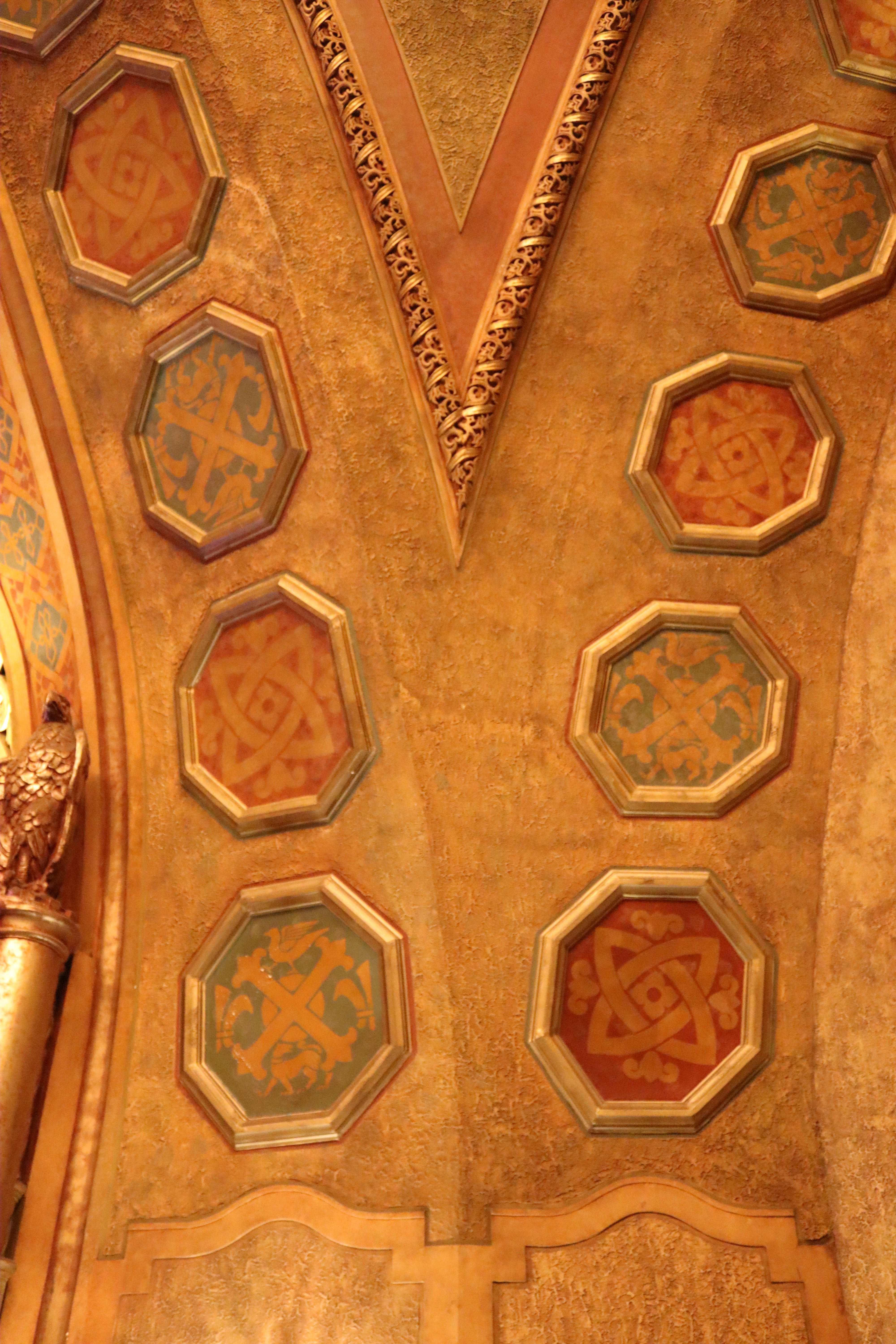
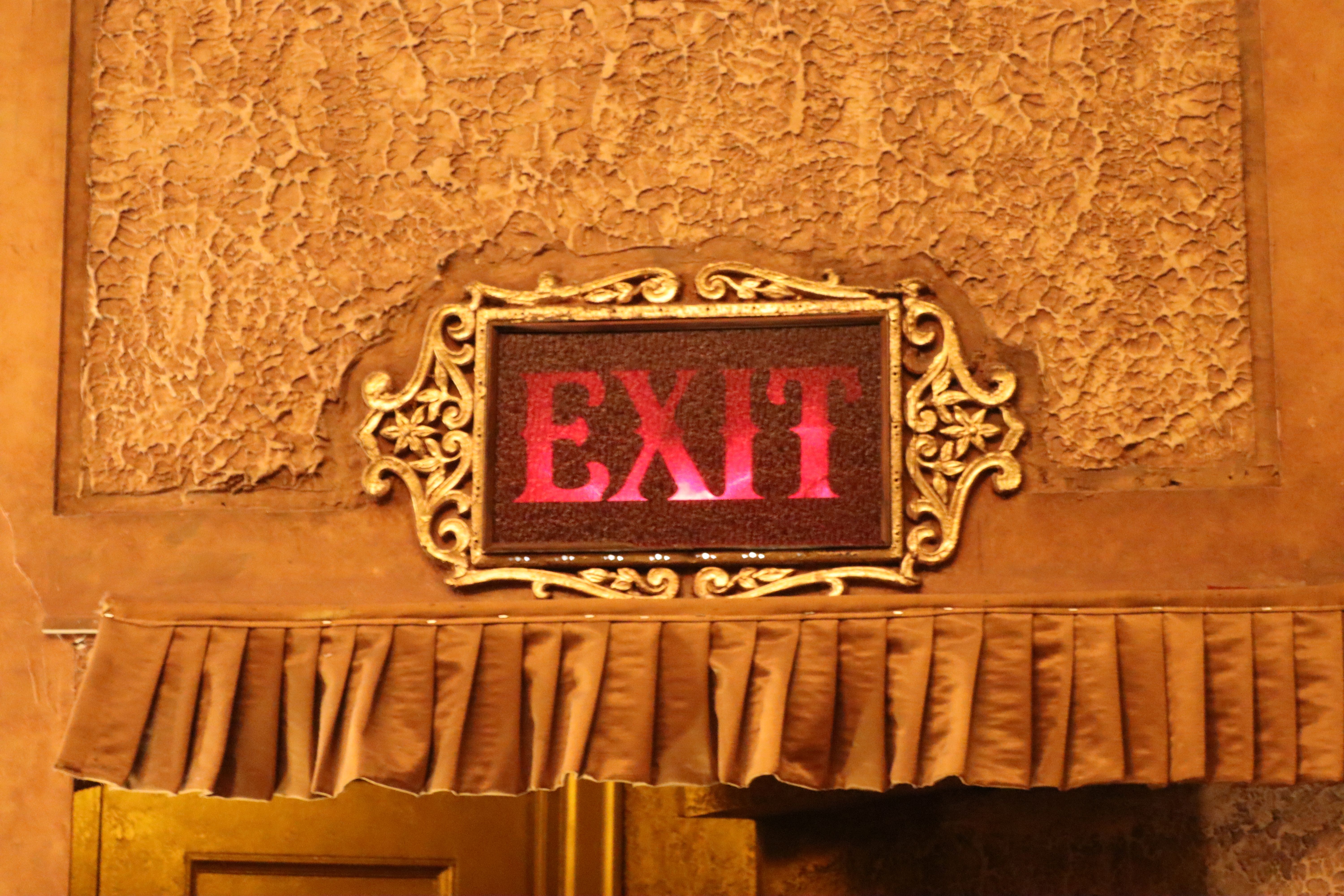
The auditorium itself is also filled with artistic details. The large ovals in the ceiling are designed to help with the acoustics.
Bathrooms
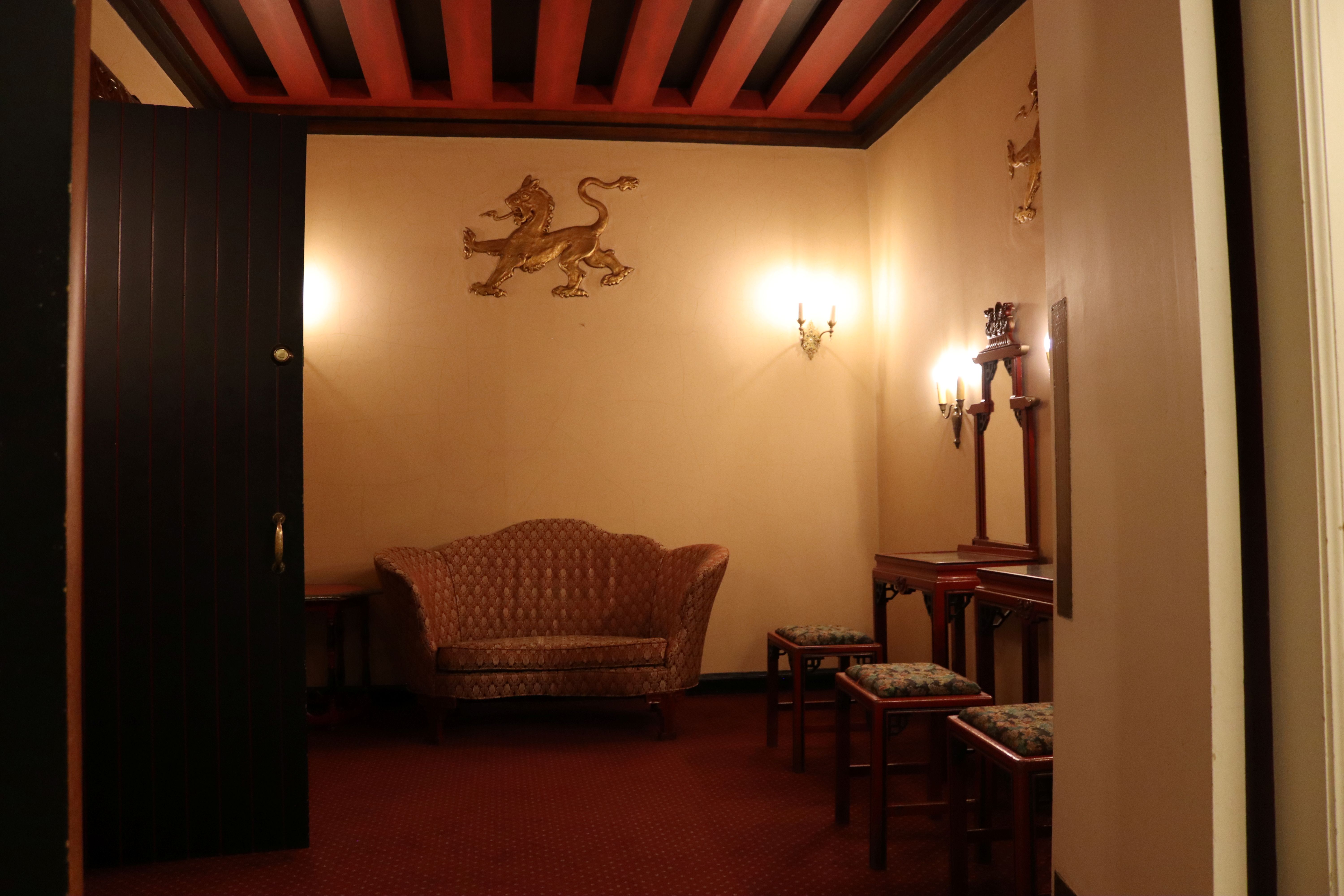
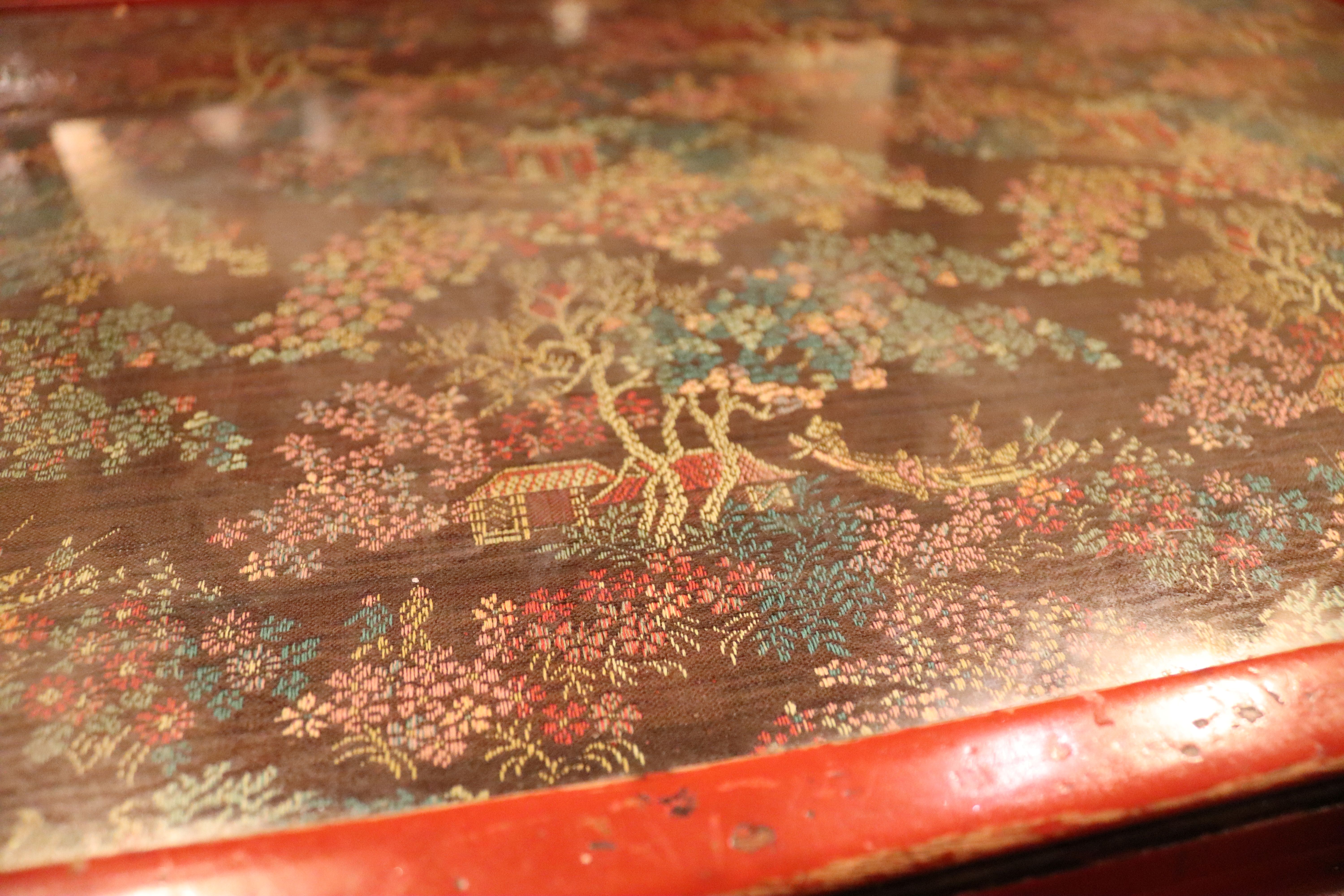
On the top level of the theatre are two more bathrooms. Like downstairs, the Men’s Room looks like an English hunting lodge. The Ladies’ Room, however, is in a Chinese style.
Organ Shop
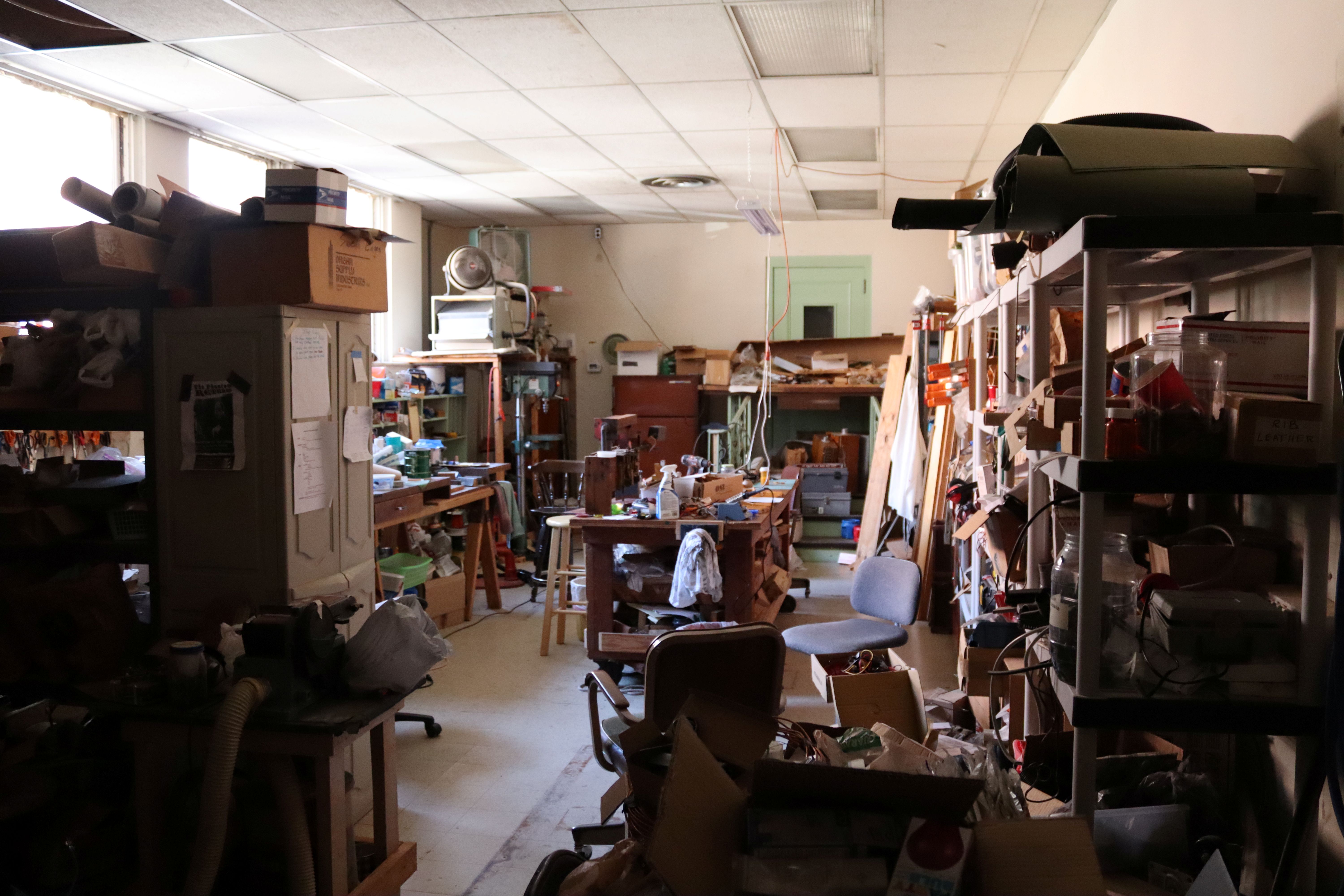
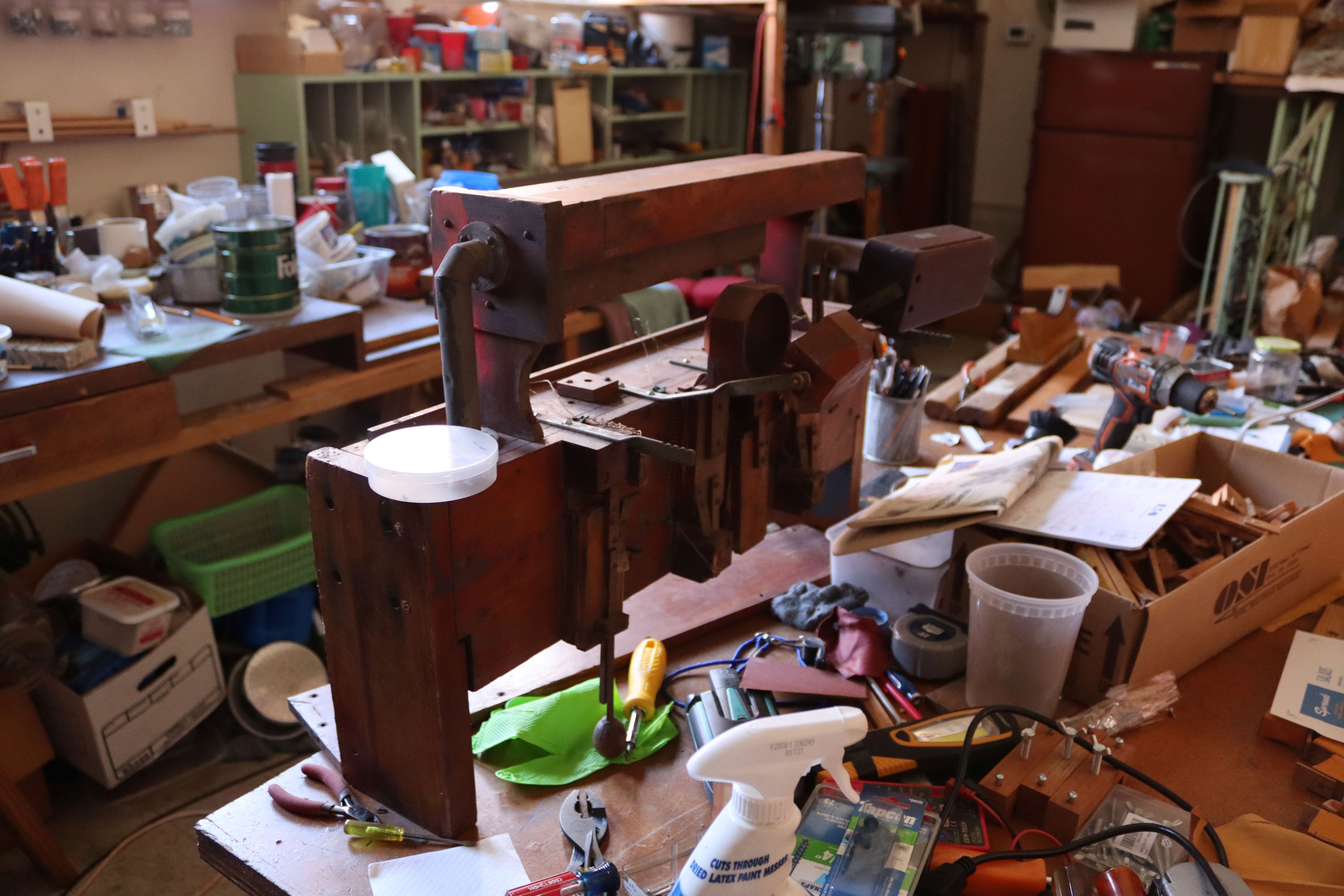
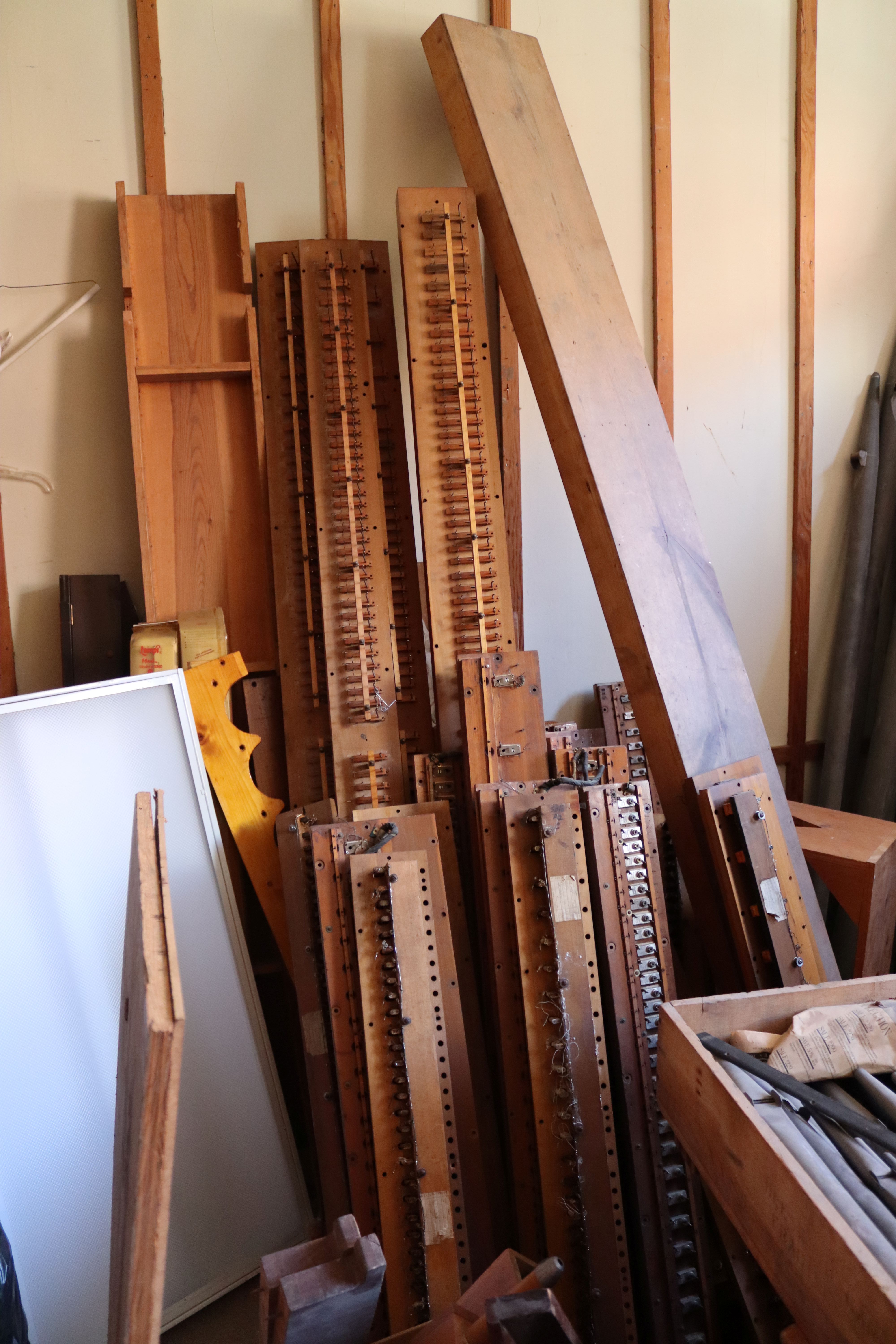
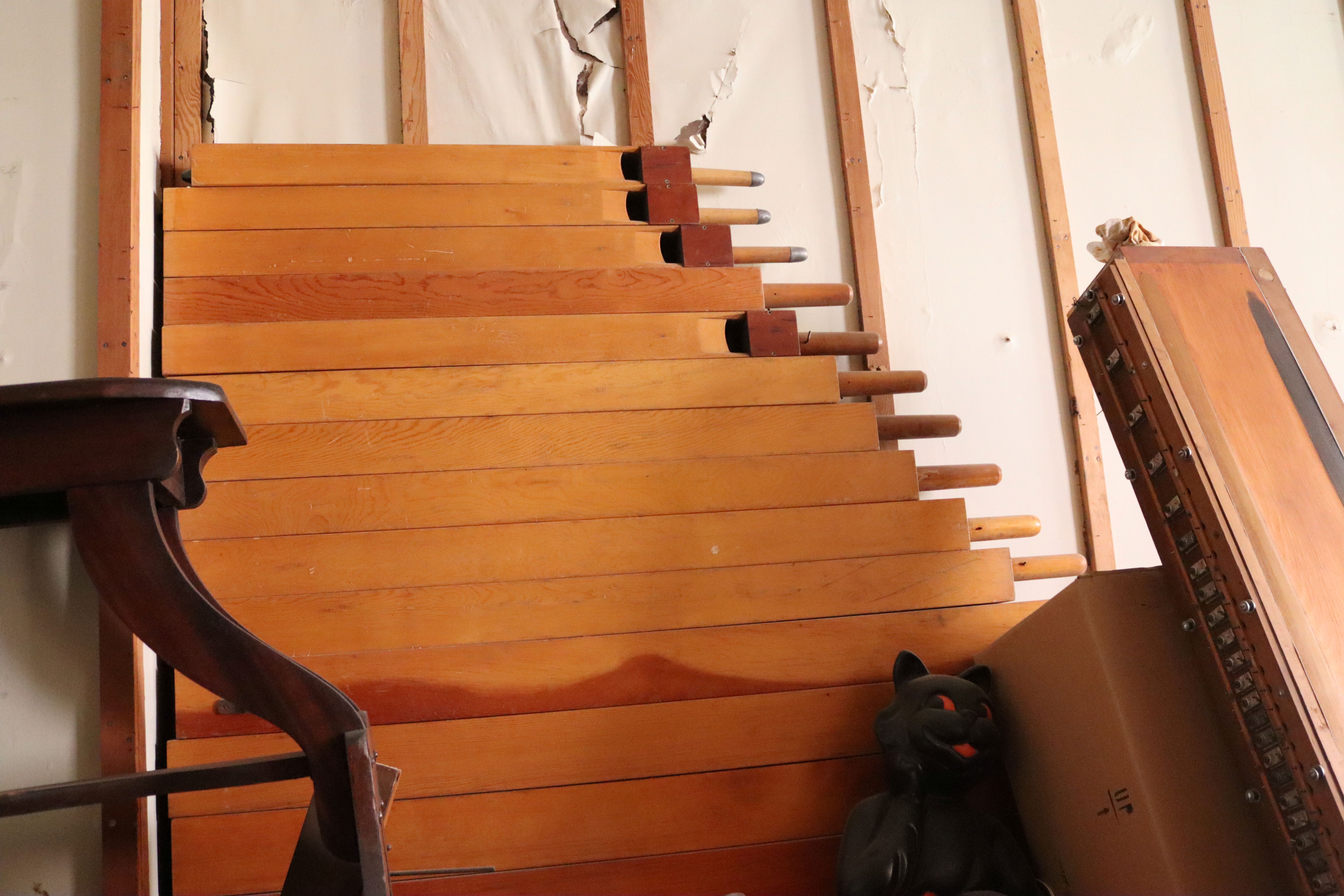
During our tour, I got to take a peek behind the scenes and see the organ shop. The space is filled with parts for both Alabama’s organ and parts for other jobs. The contraption on the table is the toy counter, which produces some of the sounds controlled by junk drawers like the one seen earlier.
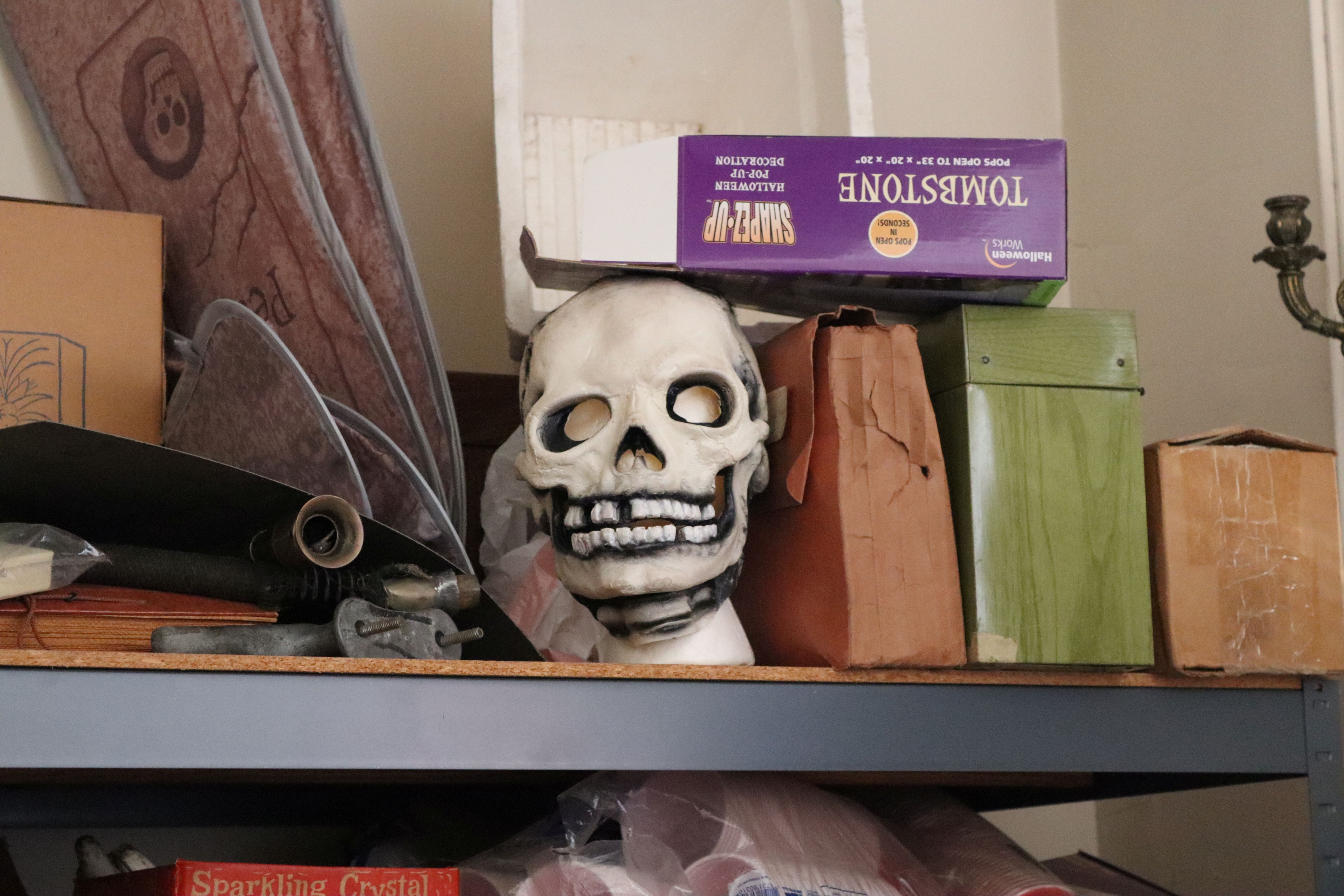
The Halloween decorations are used during the theatre’s annual showing of The Phantom of the Opera with Lon Chaney.
Historic Signs
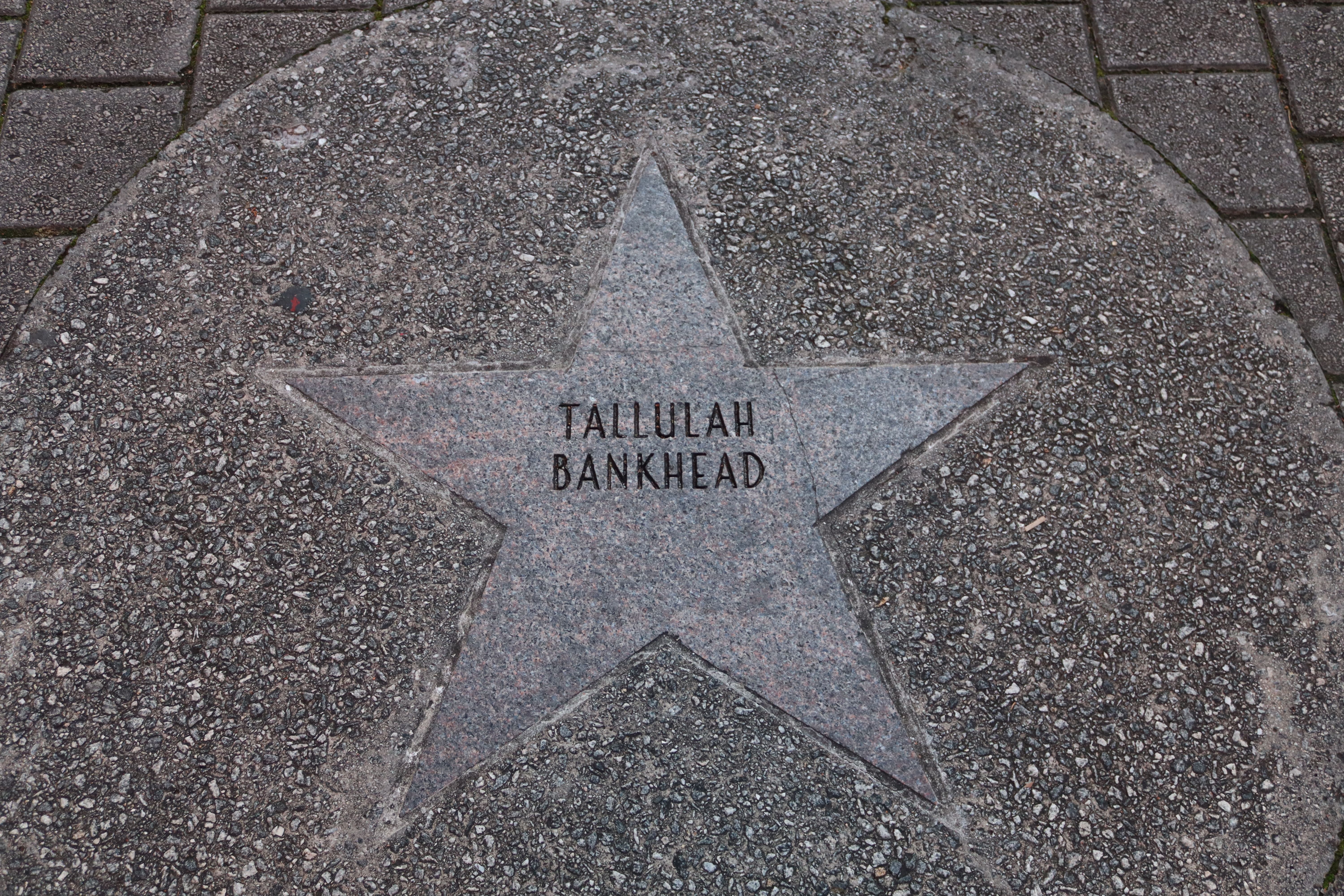
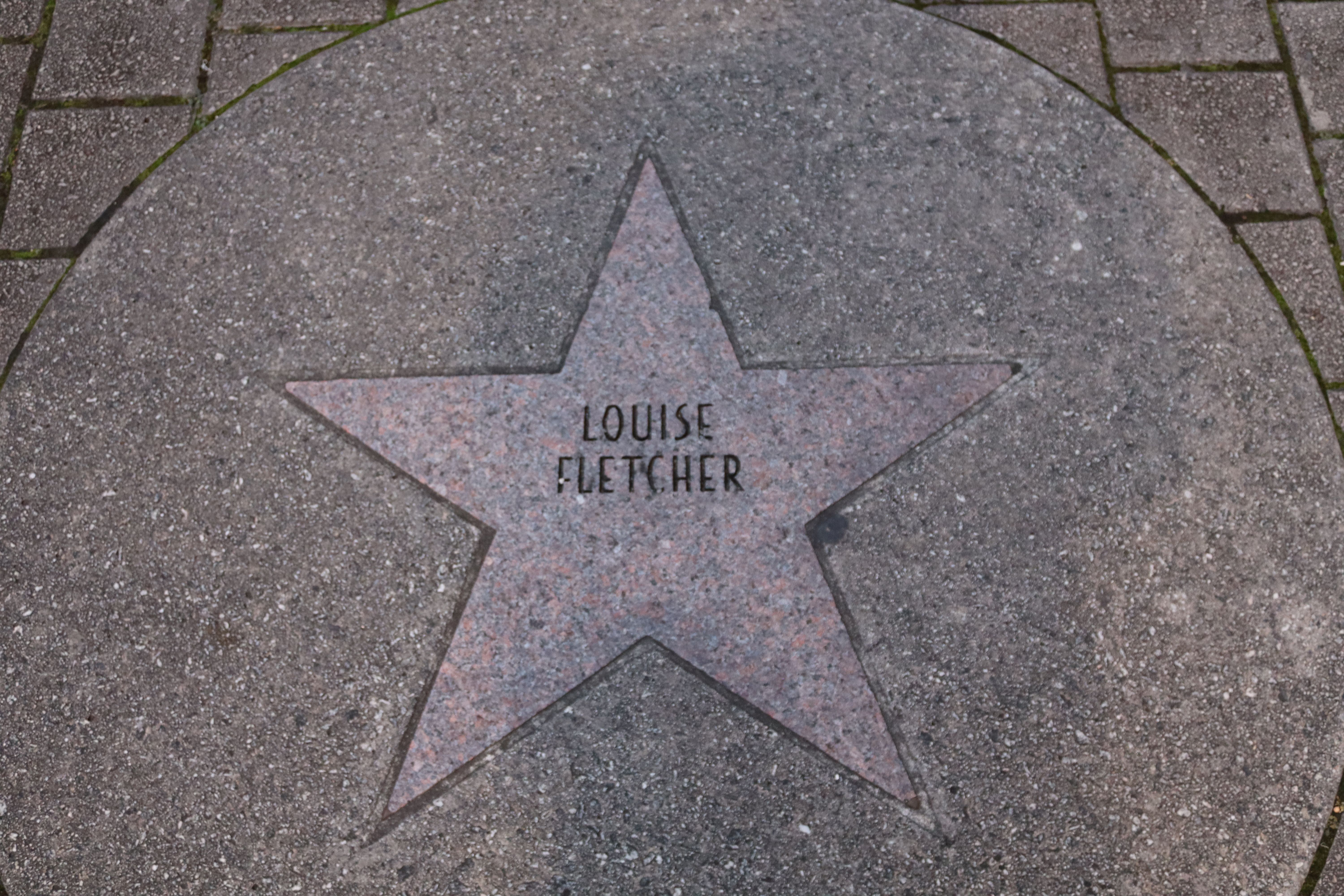
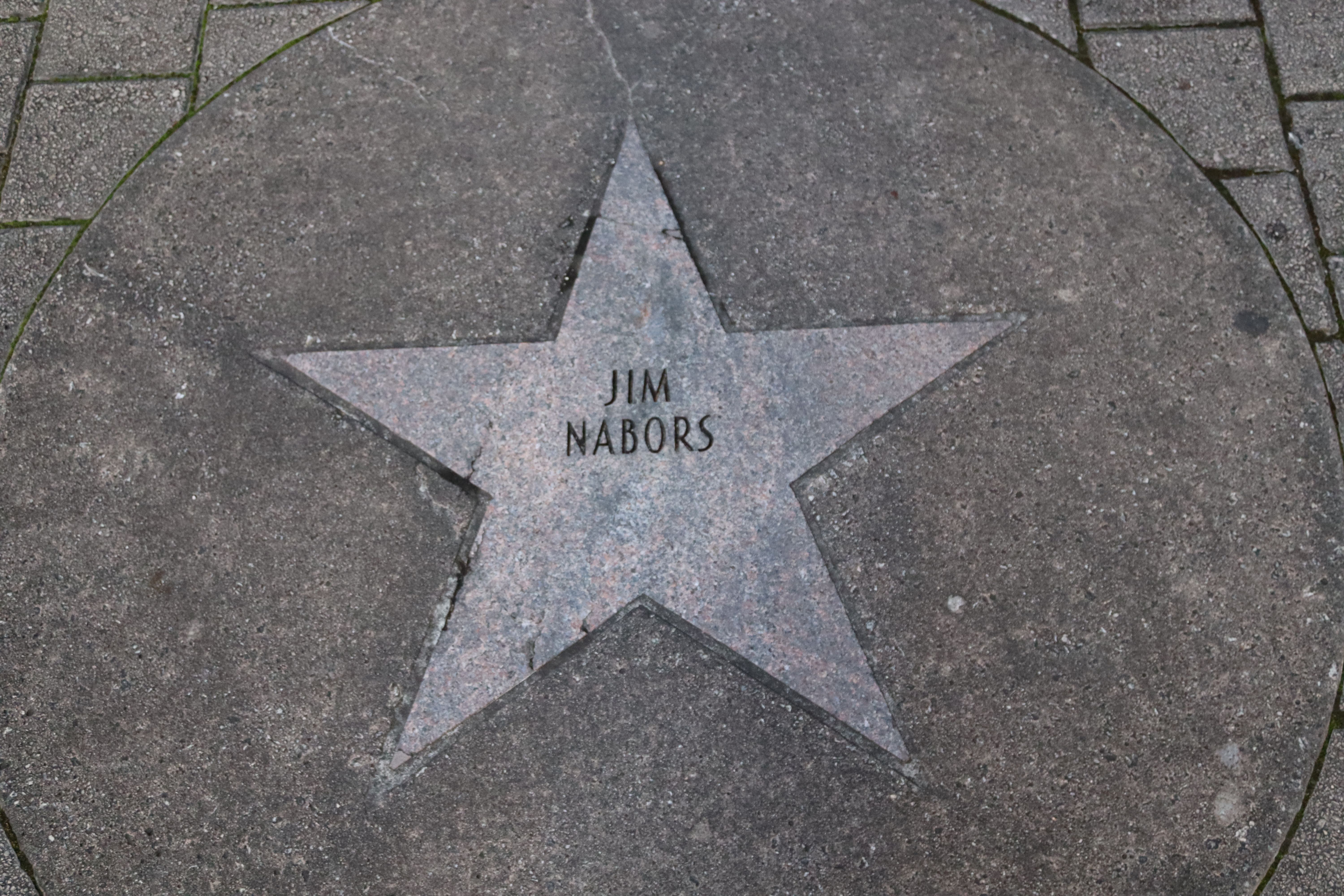
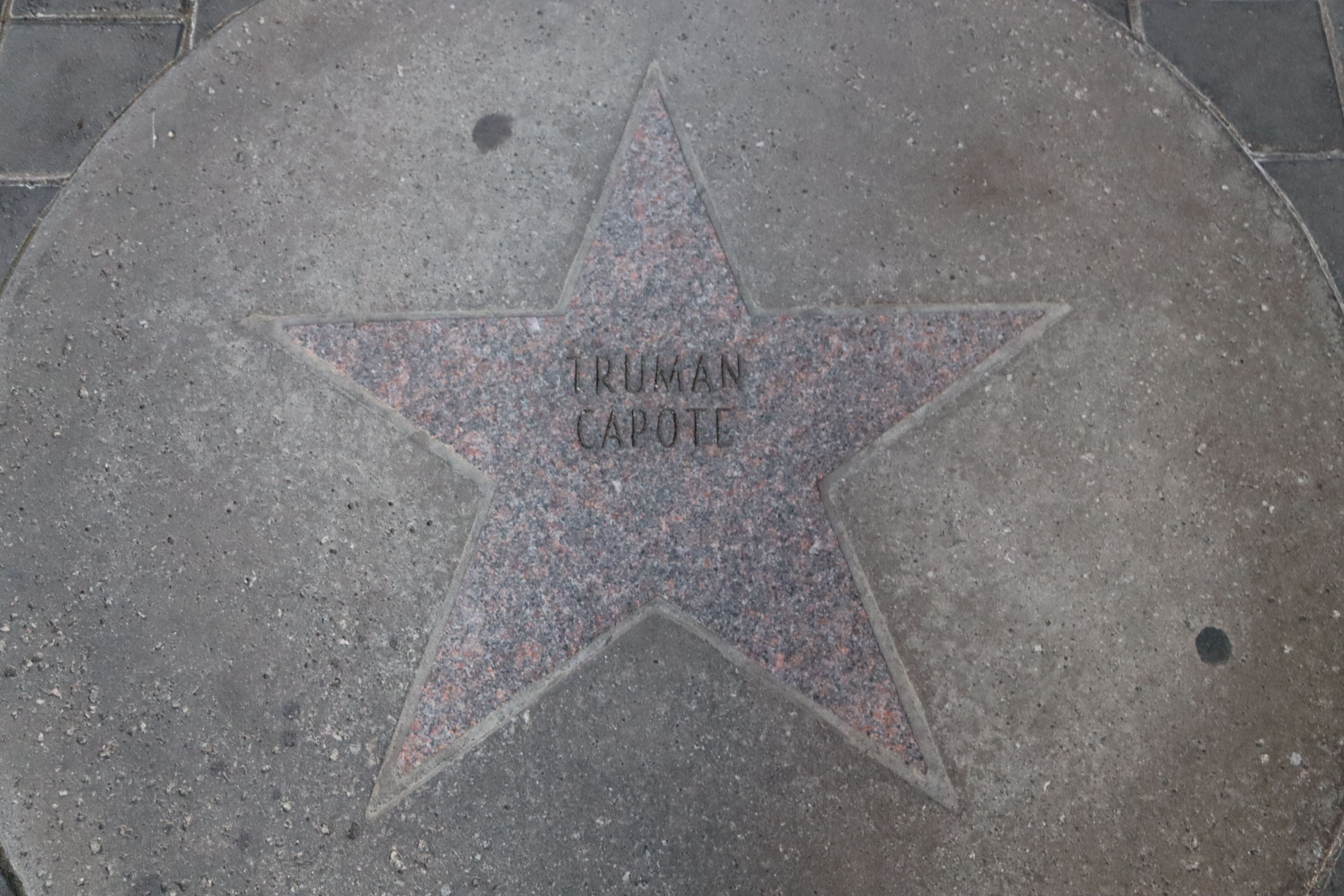
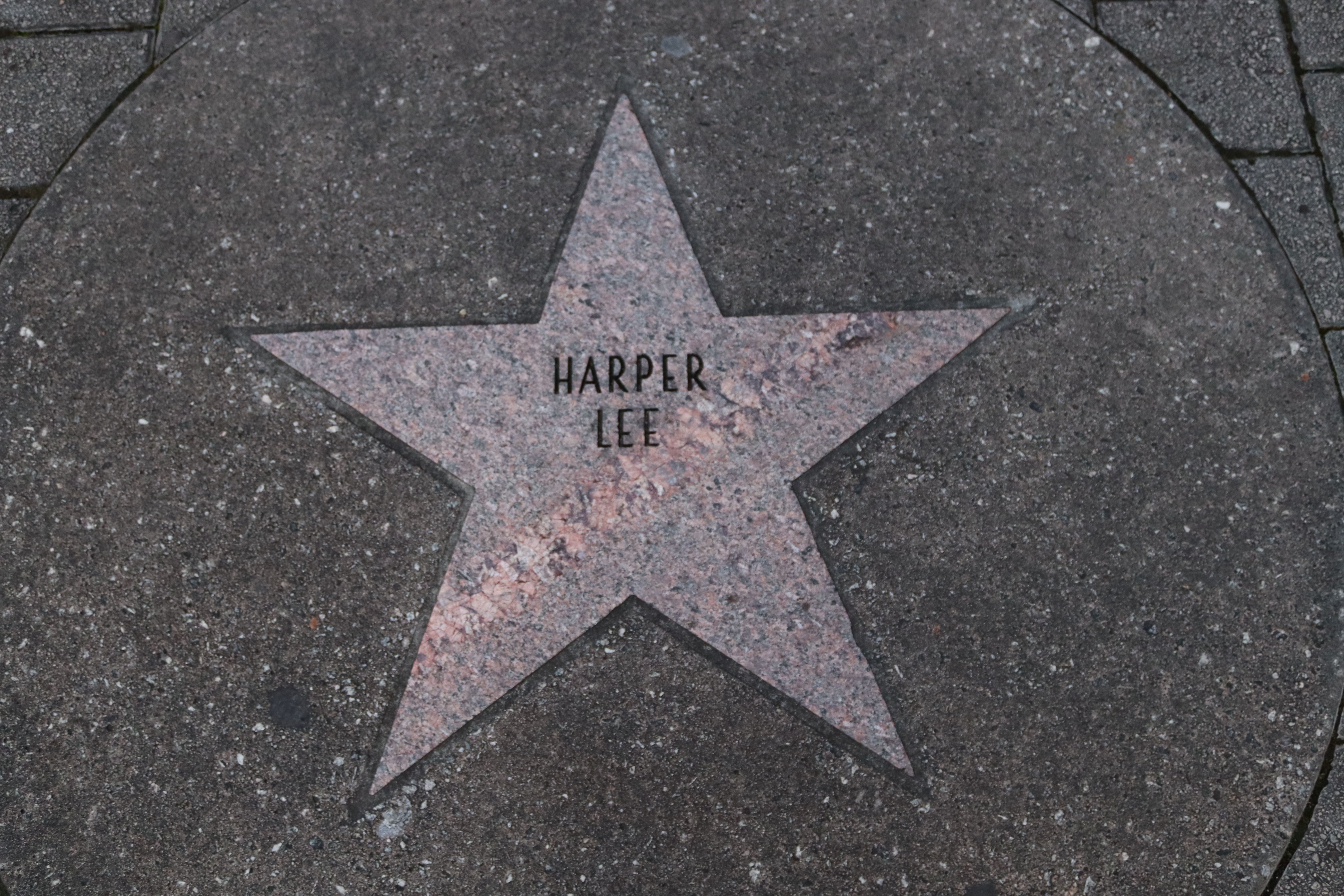
Outside of the theatre is a historic sign about the building’s history. On the ground are stars on the Alabama Walk of Fame. I took photographs of the stars I recognized.
Lyric Theatre
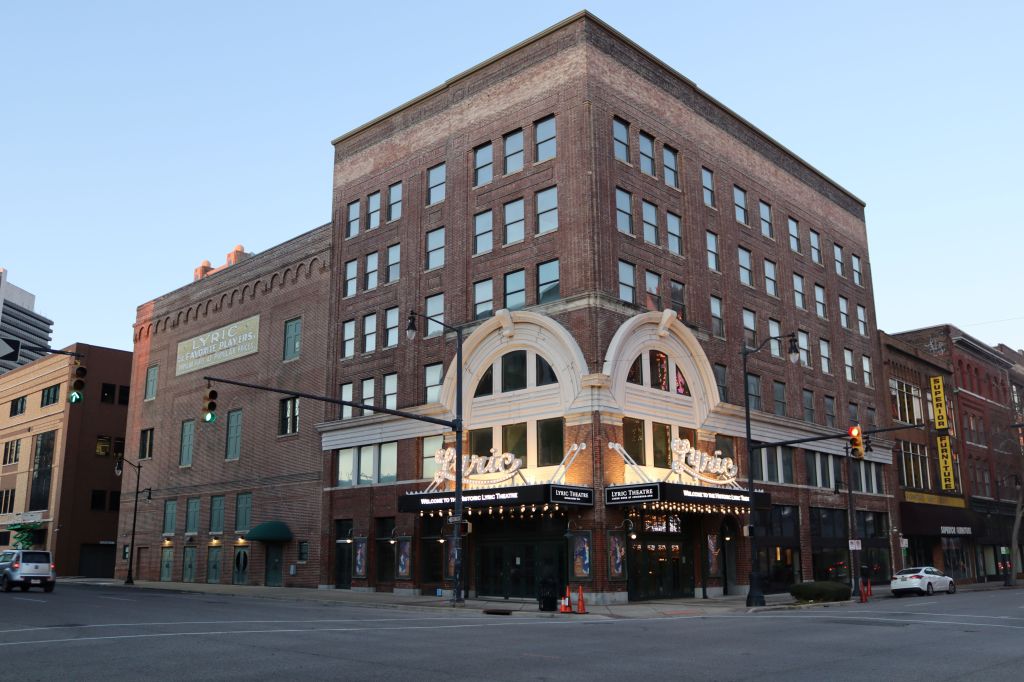
Directly across the street from the Alabama is the Lyric Theatre. Built in 1914 for Vaudeville performances, it was restored in 2016. We did not go inside the Lyric on this trip, but hope to do so in the future.
Thomas Jefferson Hotel
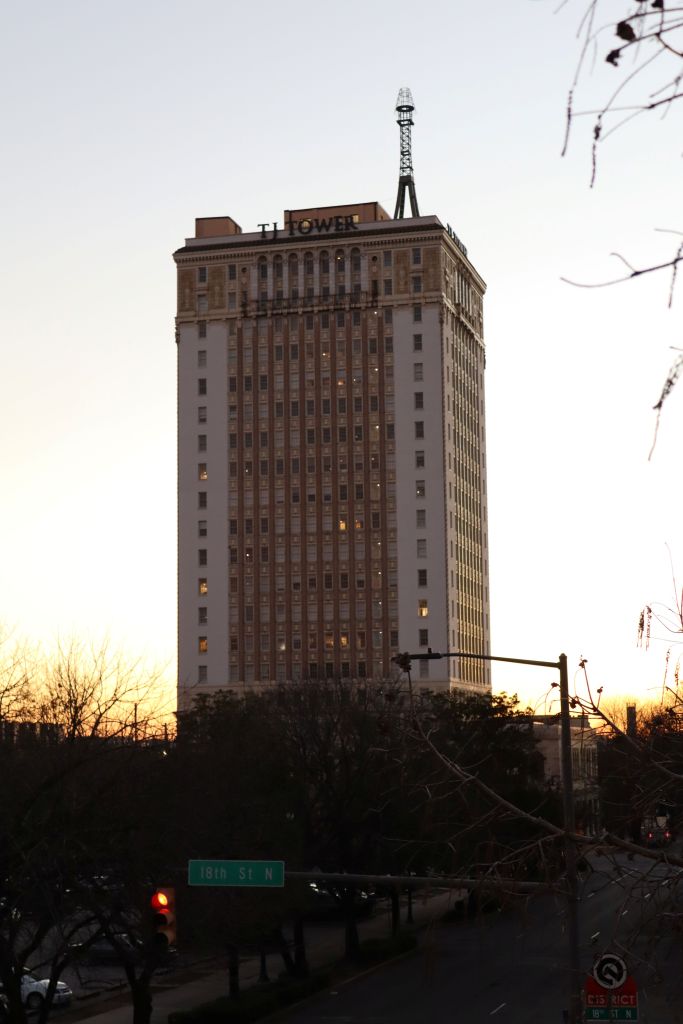
Last but not least, I was surprised when we pulled into the parking deck to see a Birmingham Landmark I had only heard about before. The Thomas Jefferson Hotel (now the Thomas Jefferson Tower) was built in 1929. The unusual tower on its roof was designed as a Zeppelin mooring mast, though unsurprisingly it was never used. The mast was restored to its original appearance during a 2015-2017 restoration of the building.
 Andrew J. Bramlett