
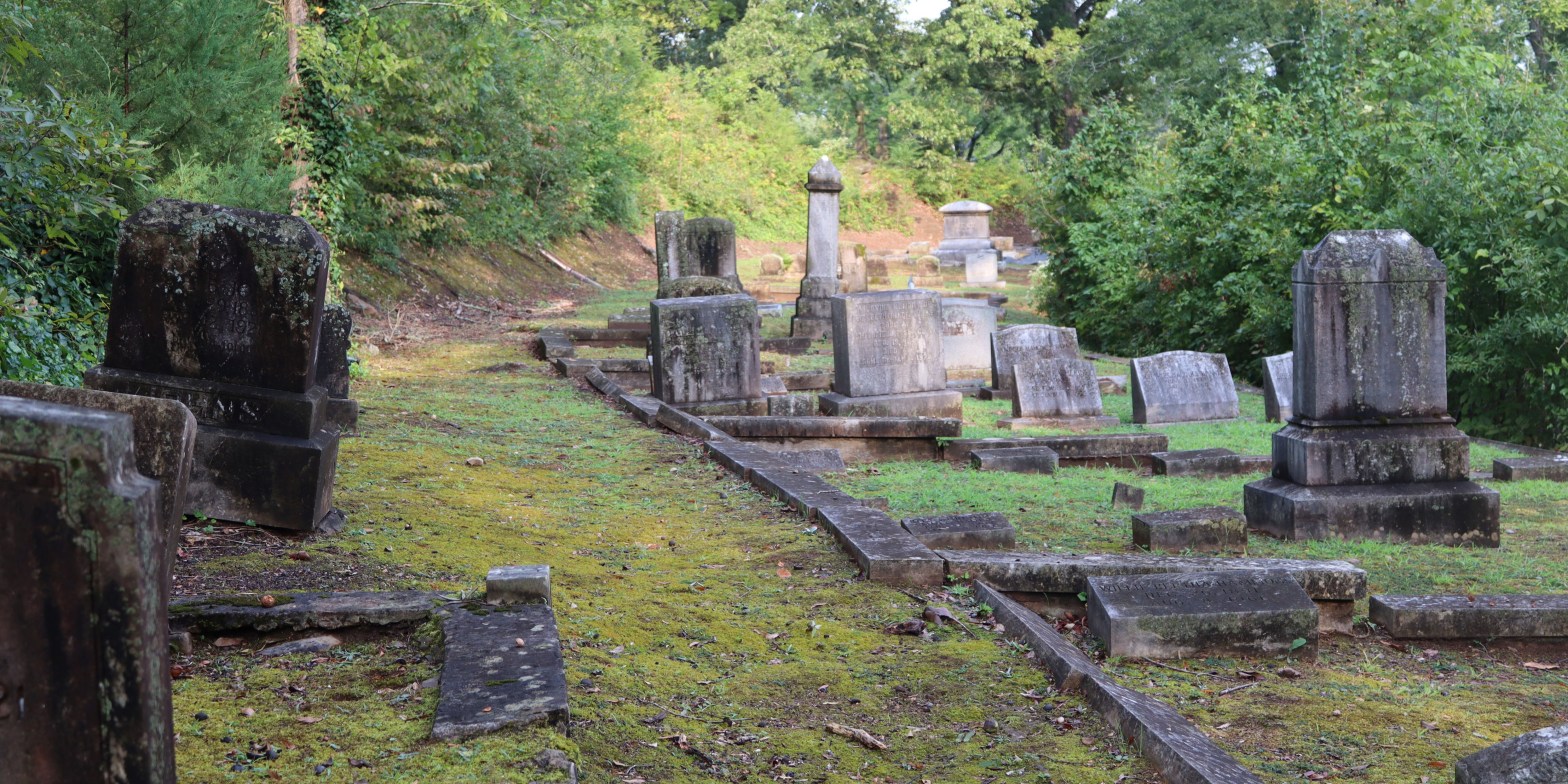
Earlier today, we visited Rome, Georgia, and the city’s historic Myrtle Hill Cemetery. The cemetery was opened in 1857 on land previously owned by Alfred Shorter. It was briefly a fort during the Civil War and was expanded throughout the nineteenth and early twentieth centuries. The cemetery is owned and operated by the City of Rome and is one of the most impressive cemeteries in Northwest Georgia.
This post is divided into three sections: The first is general views of the cemetery, the second is notable graves, and the third and final is devoted to art at Myrtle Hill.

Landscape
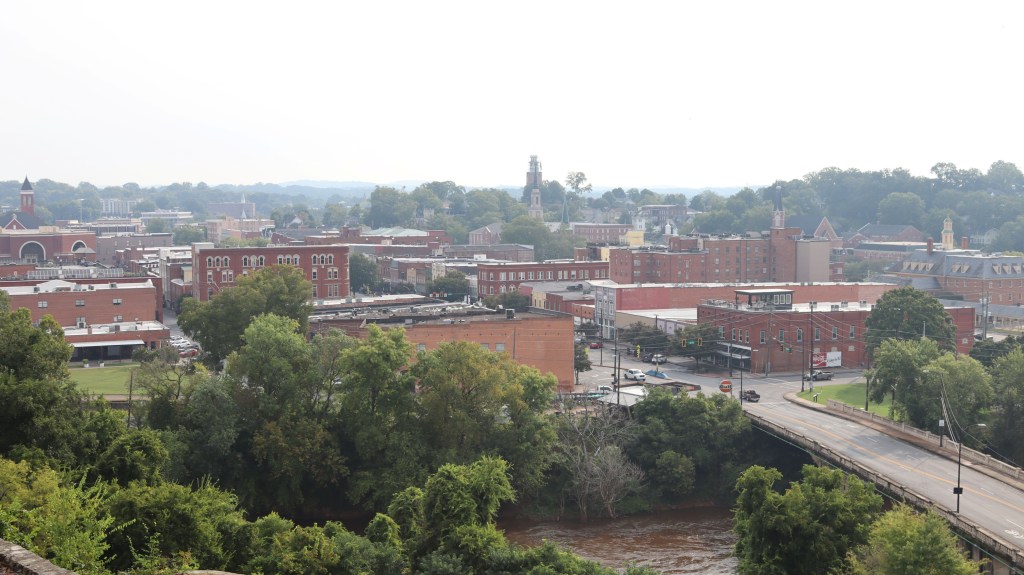
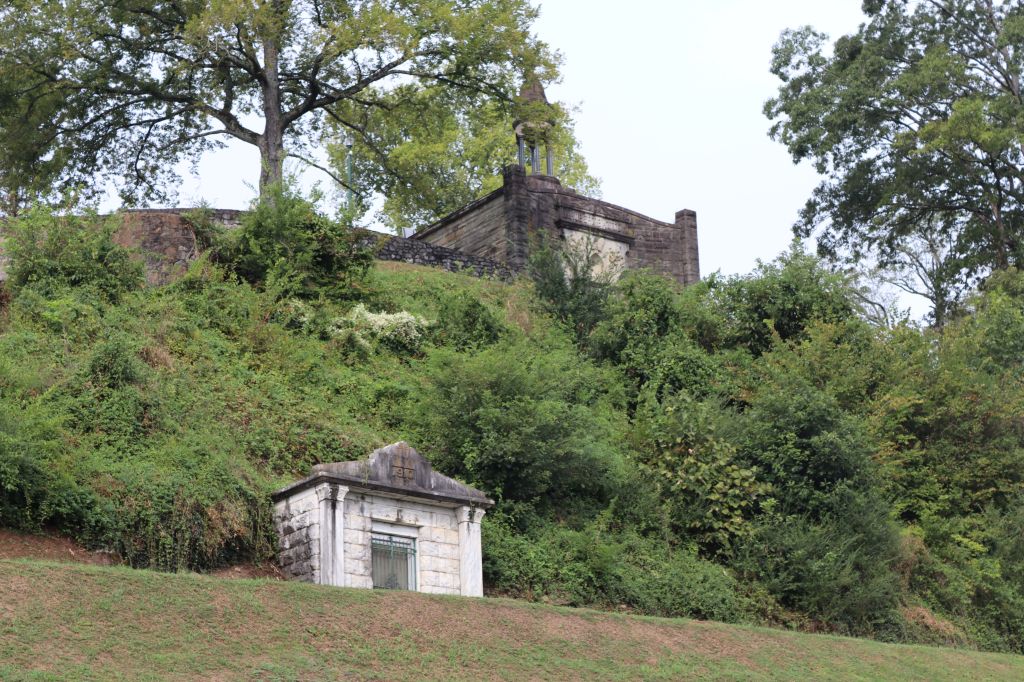
True to its name, Myrtle Hill is perched on top of a hill. While there are roads leading to the top, you can also park at the base and make a steep and challenging climb to the top. Much of Myrtle Hill is terraced, creating many fascinating views.


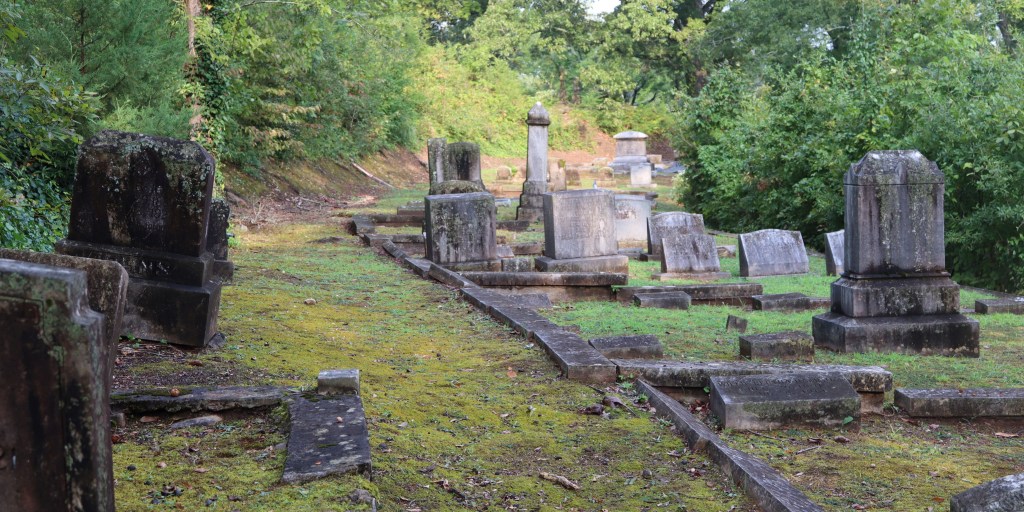

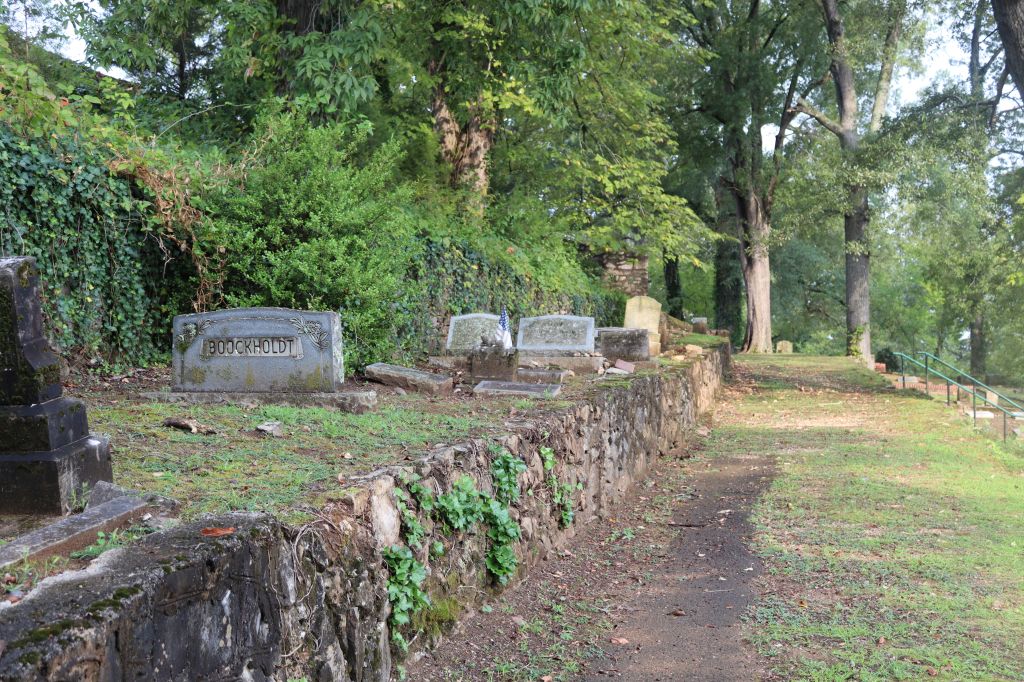



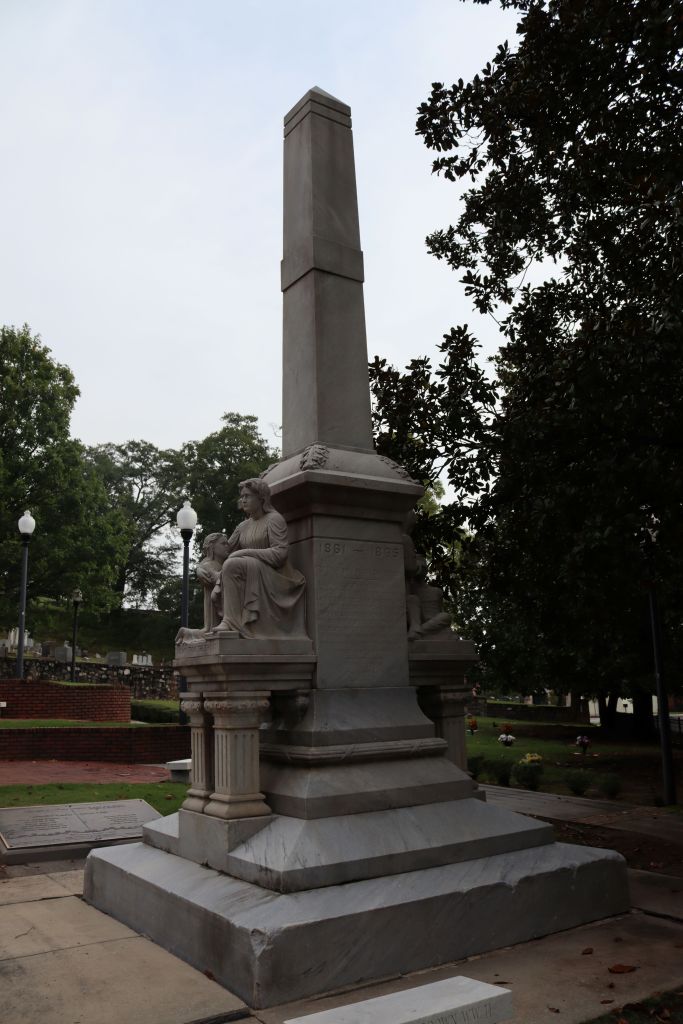
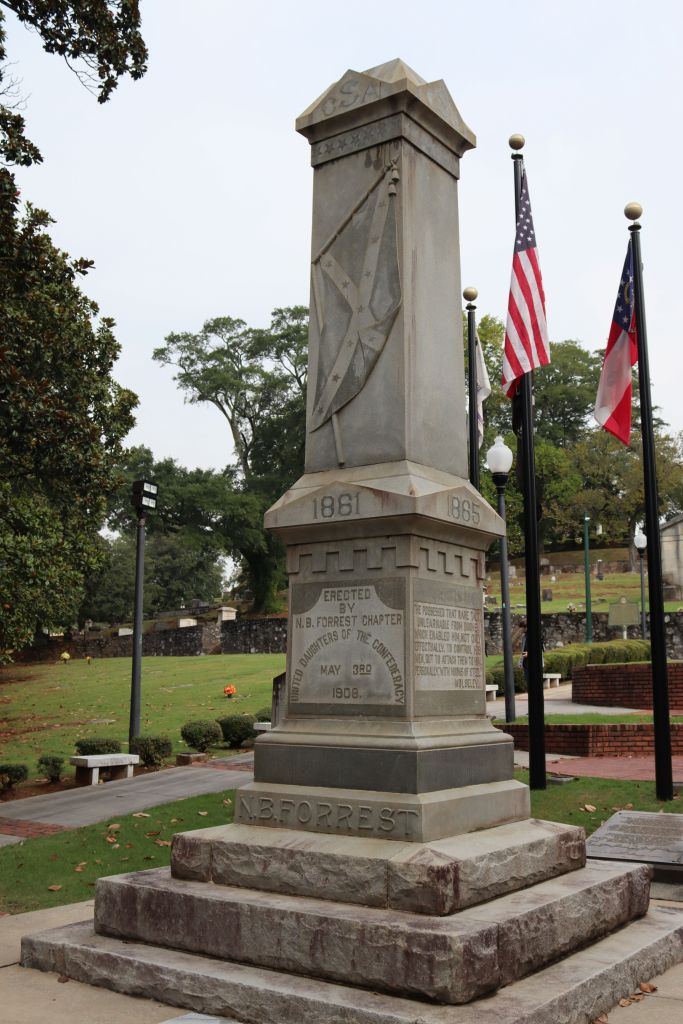
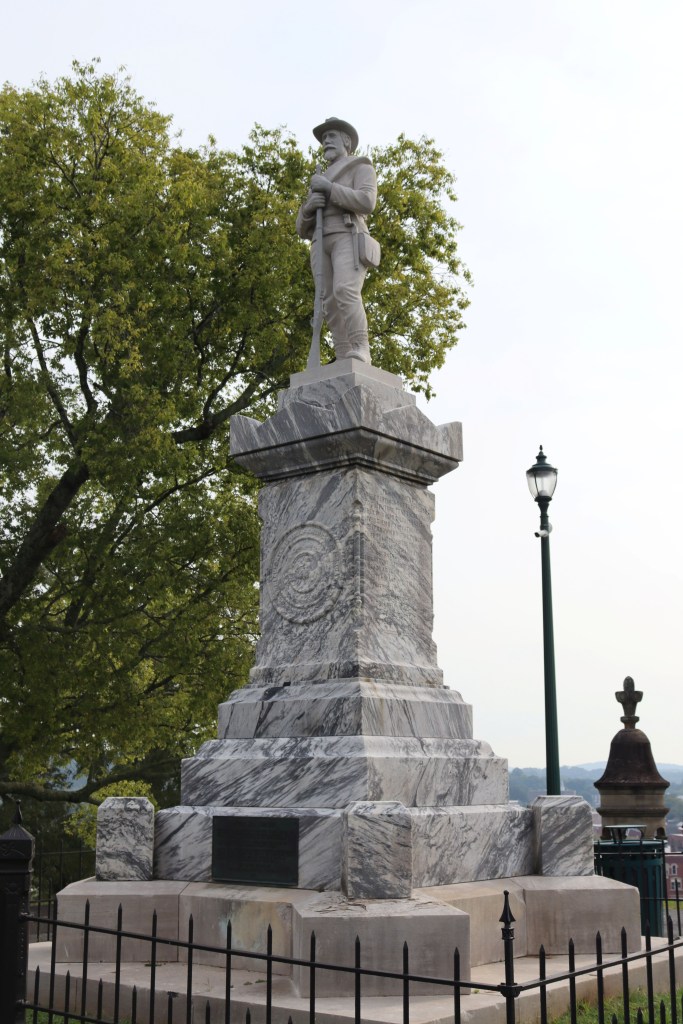
One of the largest and perhaps most distinctive sections of the cemetery is home to Civil War soldiers who died in the Rome area. It is not a surprise that many of these burials are Confederate, and several Confederate monuments can be found throughout the cemetery. One near the cemetery entrance commemorates Nathan Bedford Forrest, one is dedicated to the women of the Confederacy, and one at the summit is dedicated to all Confederate veterans.

Notable People
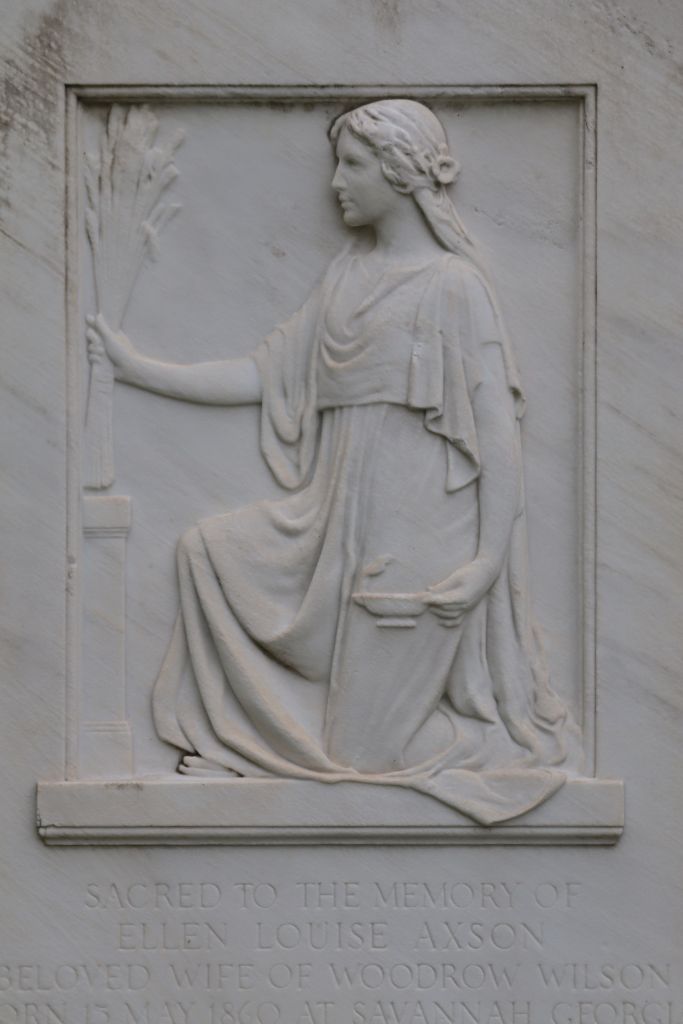
Ellen Axson Wilson
Perhaps the cemetery’s most famous burial is Ellen Axson Wilson, the first wife of Woodrow Wilson. Her father was a Presbyterian minister in Rome, and Ellen and Woodrow met in Rome in 1883. She was killed by Bright’s Disease in 1914 and laid to rest in her hometown.



Human Bunny
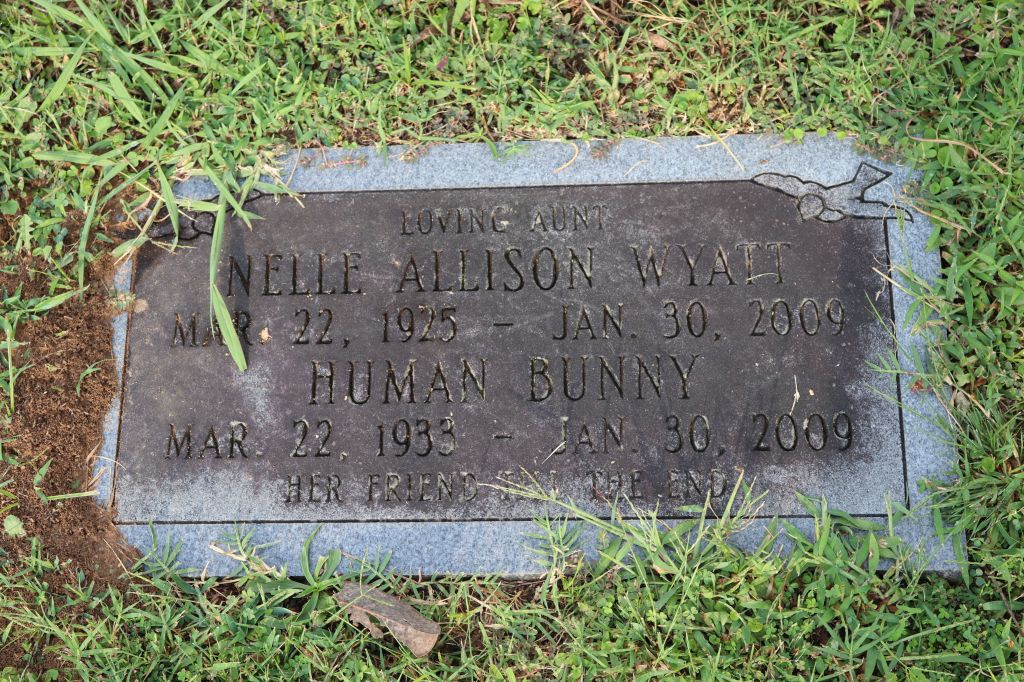
One of the more unusual headstones is the Human Bunny. Nellie Wyatt was given a “life-sized bunny” stuffed animal for her eighth birthday, and she had the bunny (named Human) until the day she died in 2009. The two were buried together, and Human Bunny is listed on her headstone.
Alfred Shorter
Alfred Shorter was a local industrialist and railroad executive who played a pivotal role in Rome’s industry prior to the Civil War. The Rome Railroad even had a locomotive named for Shorter at the time of the war. Shorter University, founded in 1873, was named in honor of Alfred Shorter in 1877 due to his early donations to the school.

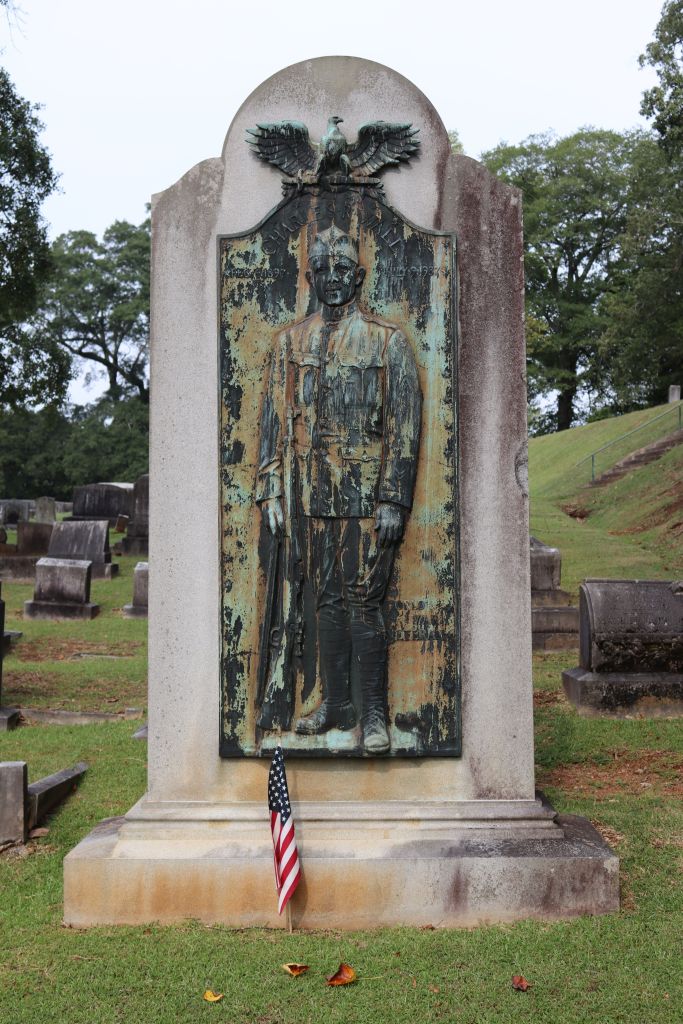
Charles Graves: The Known Soldier
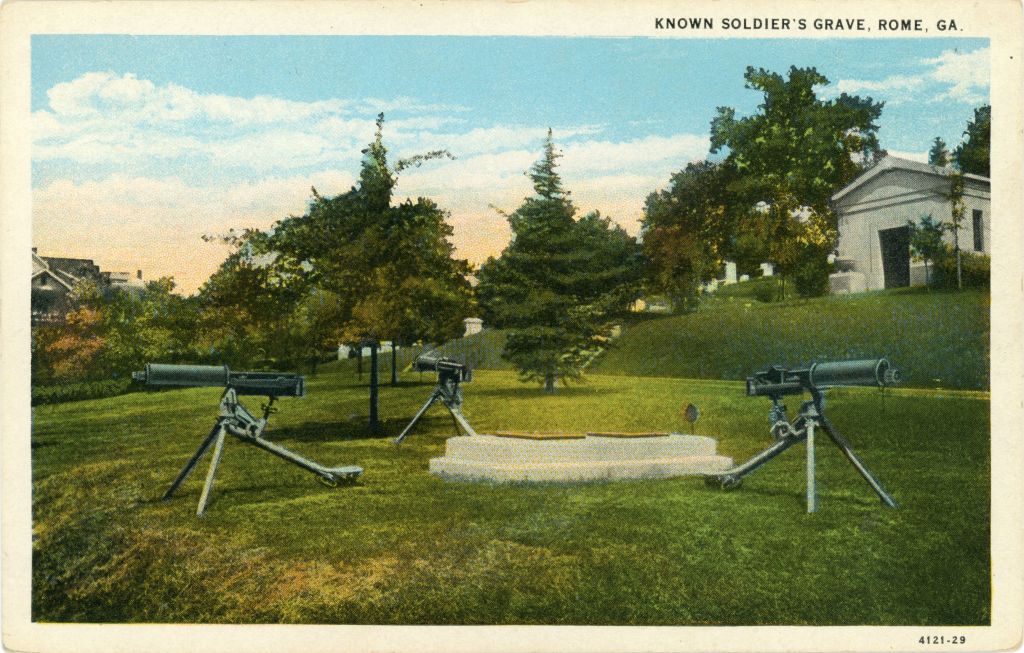
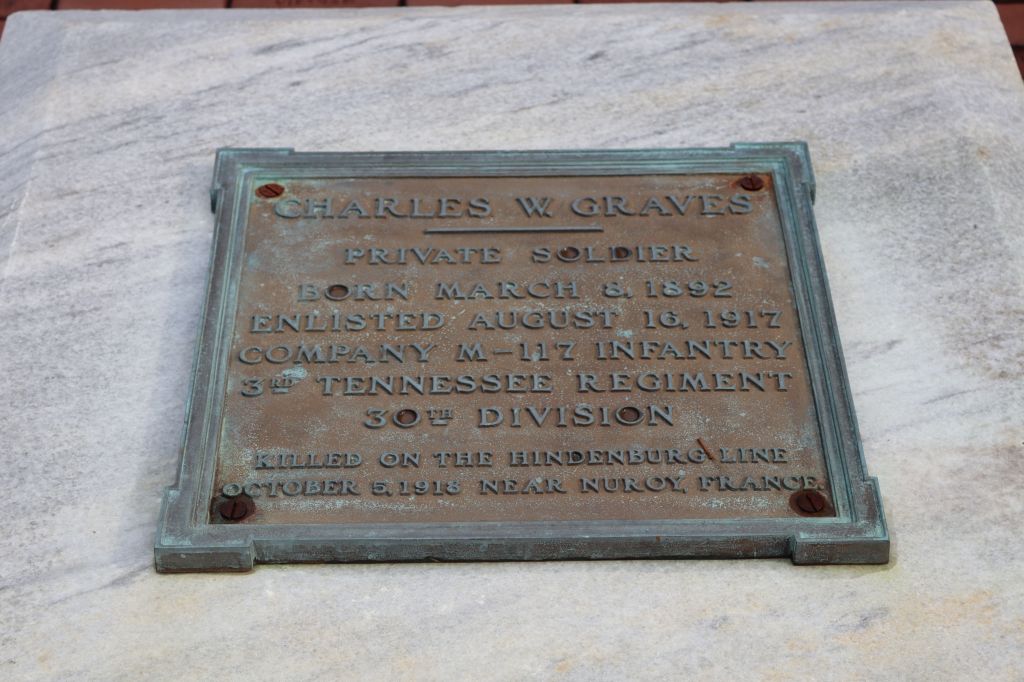
Just after World War I, the United States government chose one unknown soldier to be buried at Arlington Cemetery to symbolize all of the unknown dead of the war. The Tomb of the Unknown Soldier remains one of the best-known gravesites in the nation. However, less known is the Known Soldier. At the same time, the Unknown Soldier was selected, Pvt. Charles Graves of Rome was randomly chosen to represent all of America’s known war dead. His mother, however, wanted him closer to home, so he was laid to rest at Myrtle Hill in 1923. The Known Soldier’s grave is surrounded by three machine guns and is now also home to a veterans’ plaza.




Art of Myrtle Hill
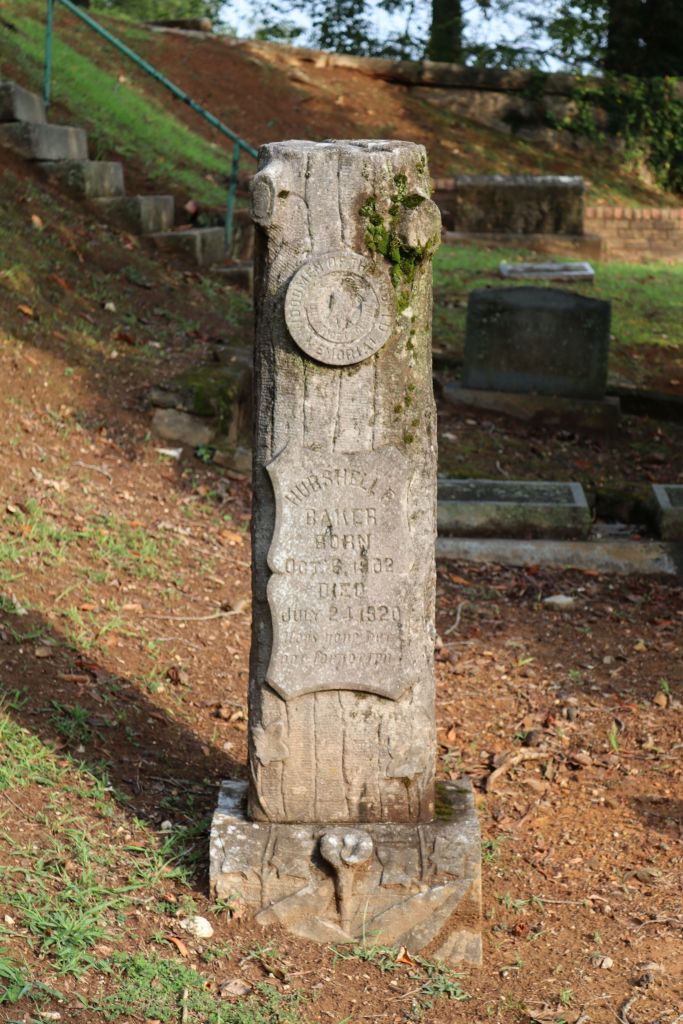
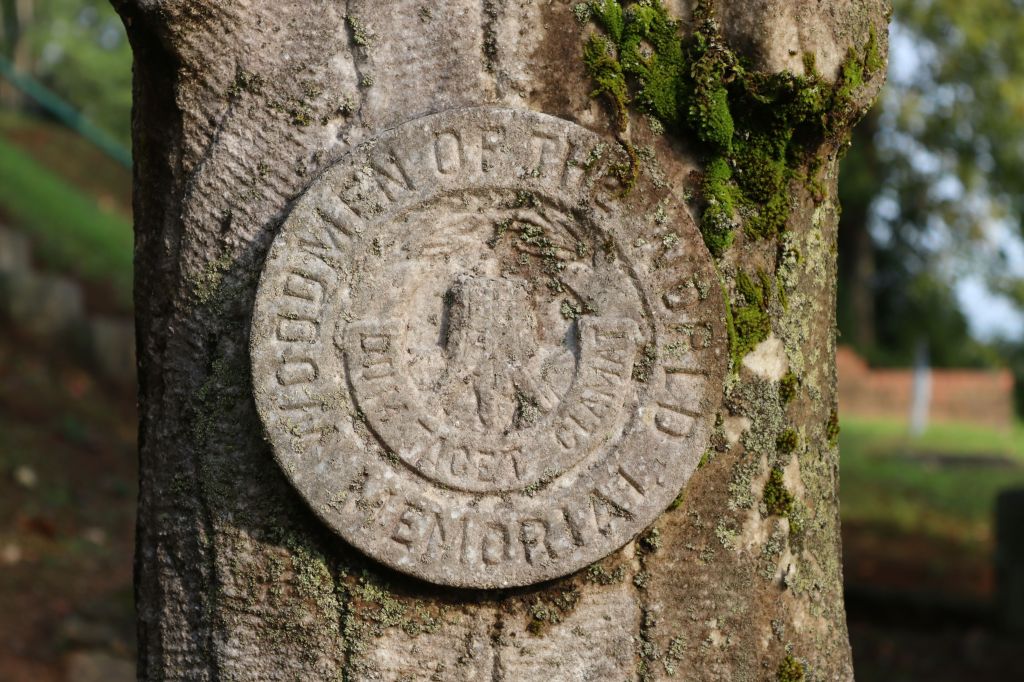
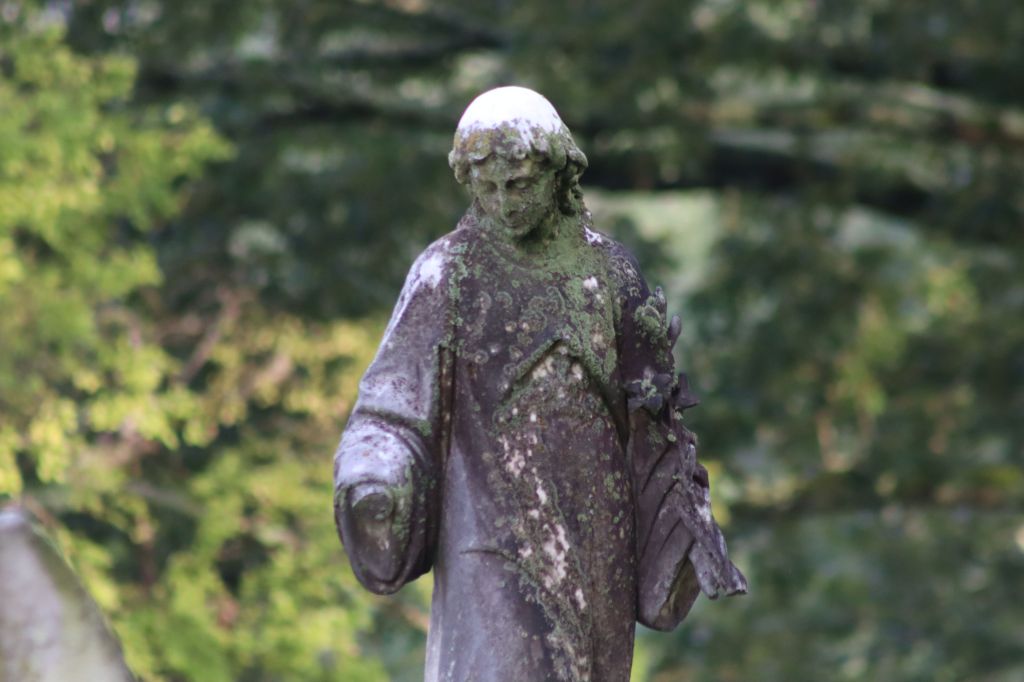
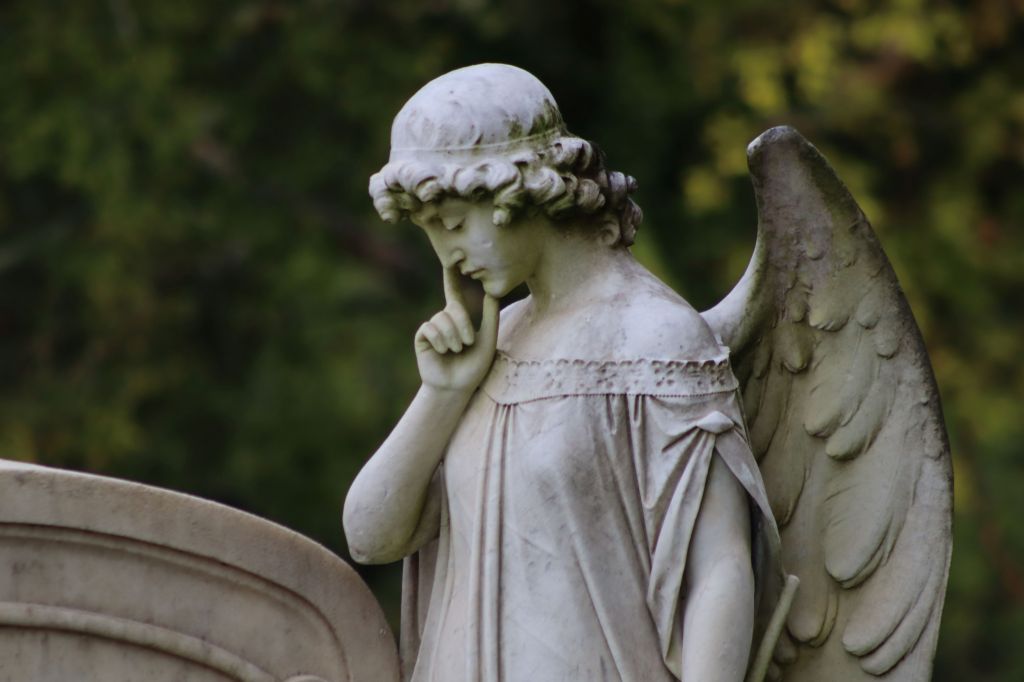
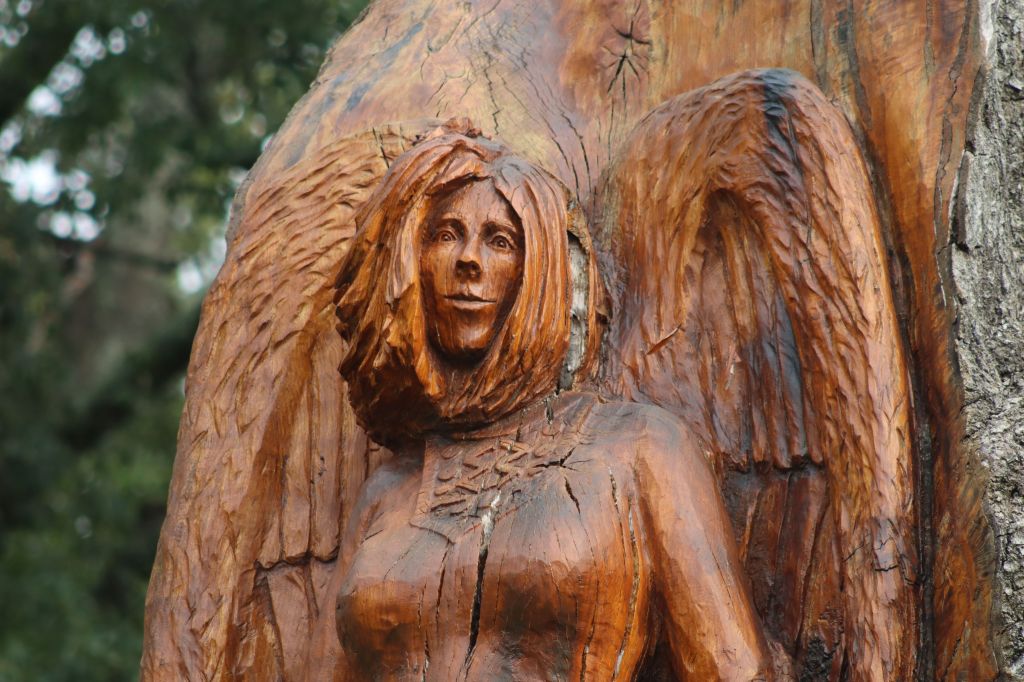
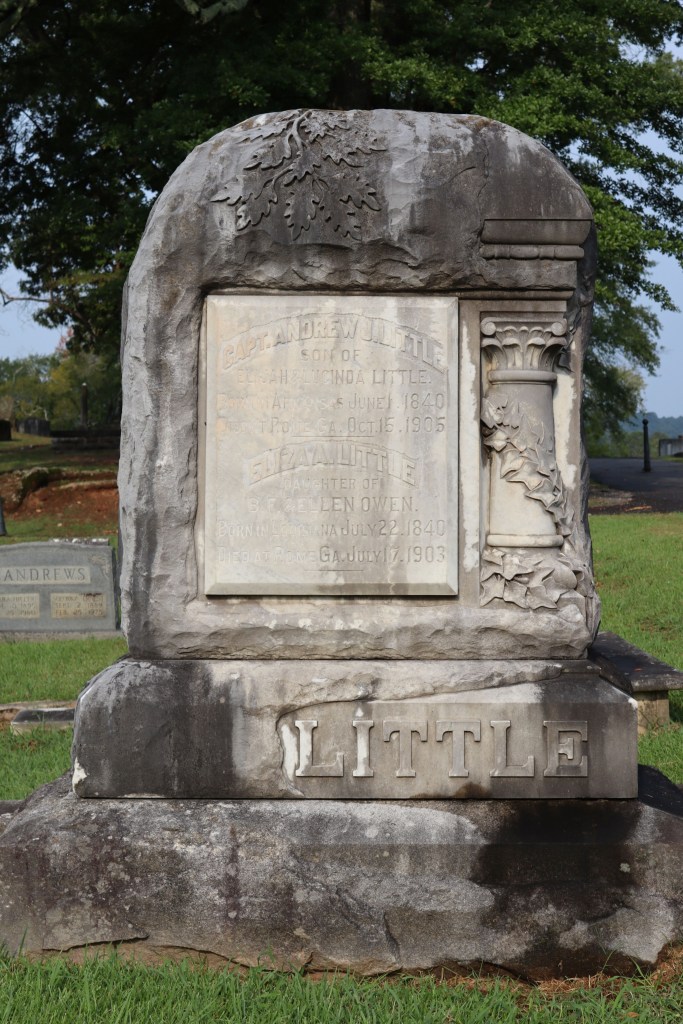
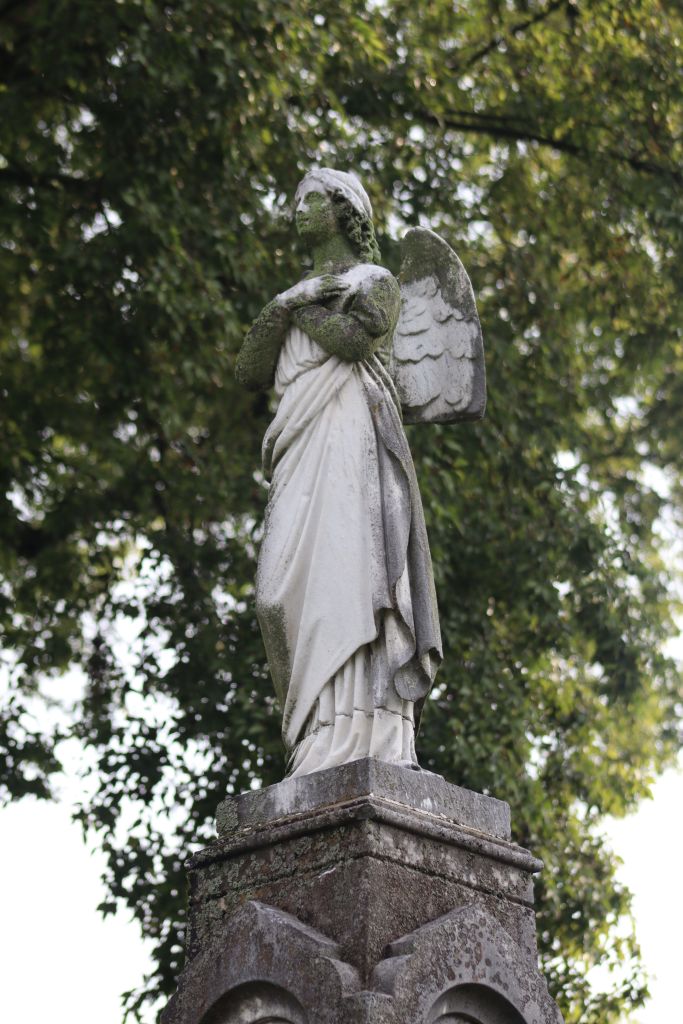
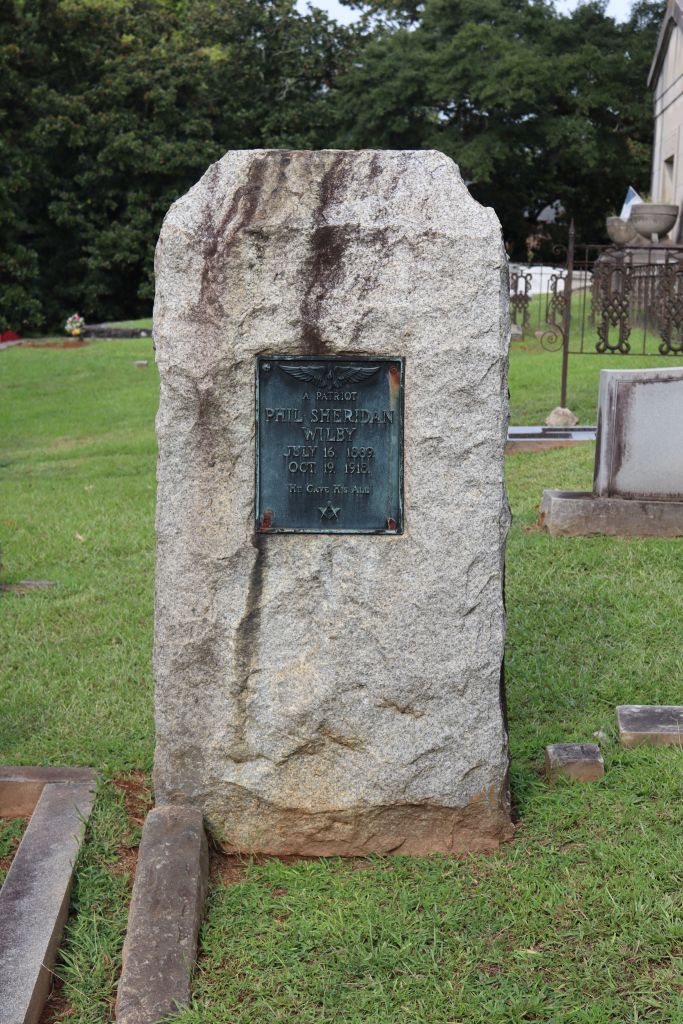
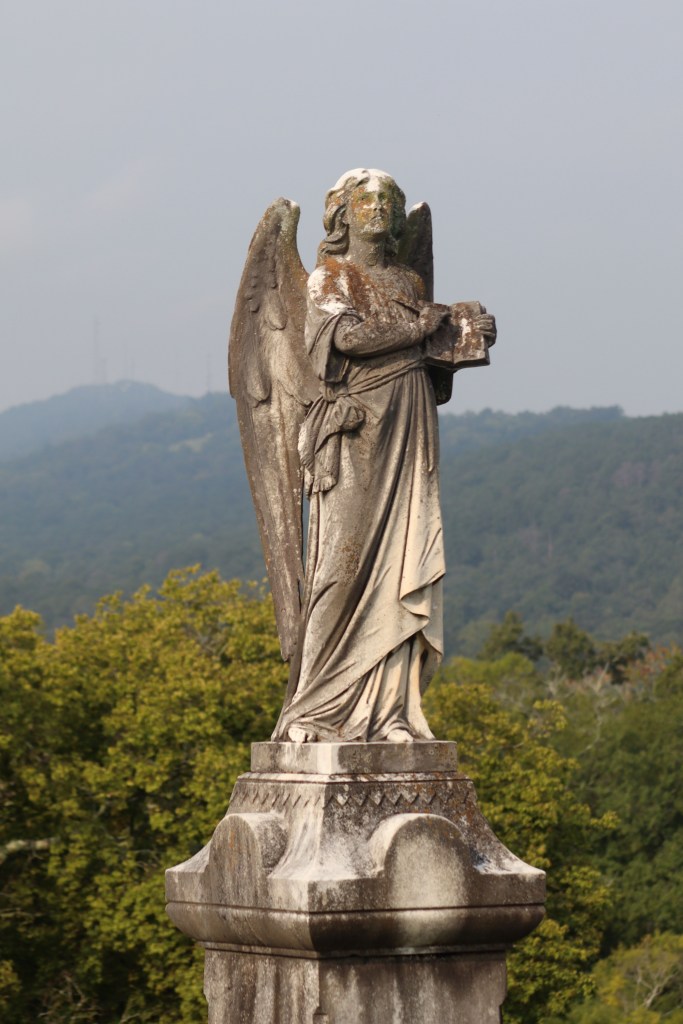
The four individuals above are just a small sample of the unique stories Myrtle Hill has to offer. The cemetery is also home to a variety of unique and interesting headstones, along with a carved tree stump. The art of the cemetery is the focus of this final section.
Many of the cemetery’s headstones feature angels, which is a recurring theme of this section. The final photo, of a grave near the top of the cemetery, is my personal favorite.





Interested in receiving posts from my blog in your inbox? Type your email below to be notified about new posts.
 Andrew J. Bramlett