

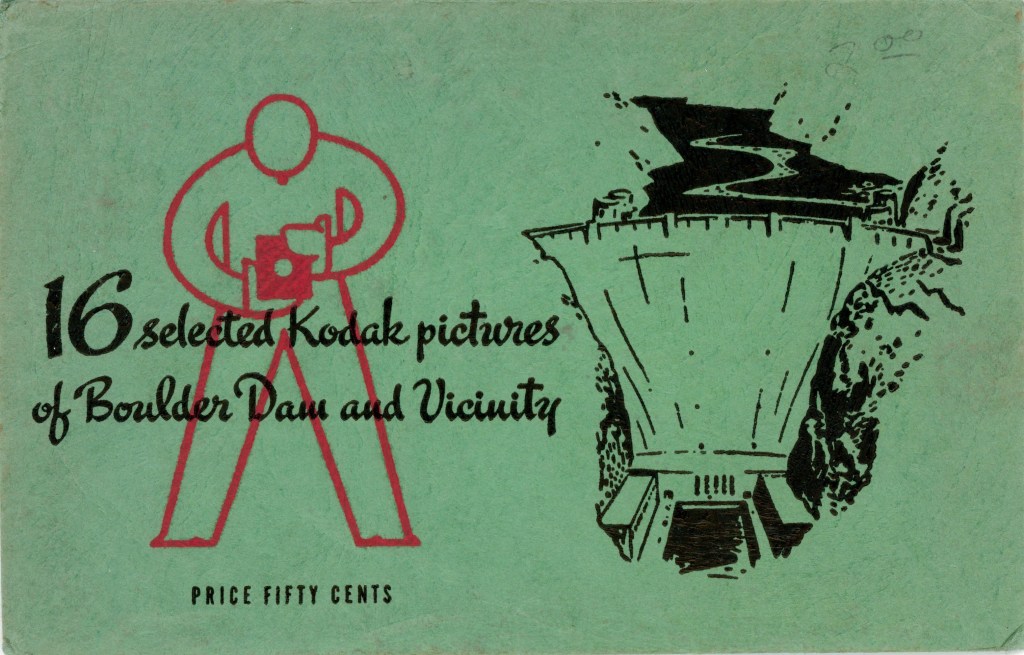
For Christmas this year, my parents got me two sets of small souvenir photographic prints from the West. One set (covered here) shows the Hoover Dam, while the other shows the Columbia River Highway. I plan to spotlight the Columbia River Highway photos in the future.
Construction began on the Hoover Dam in 1931, at the very end of Herbert Hoover’s presidency, and it was dedicated in September 1935. When construction began, it was going to be named Hoover Dam. However, at the time of its dedication it carried the name Boulder Dam, as Hoover’s name was still taboo during the Great Depression, and it made it easier for Franklin D. Roosevelt to claim the dam as a New Deal victory. In 1947, Hoover’s name would be brought back to the dam.
The package for this series of photos uses the name Boulder Dam, so it must have been published between 1935 and 1947.
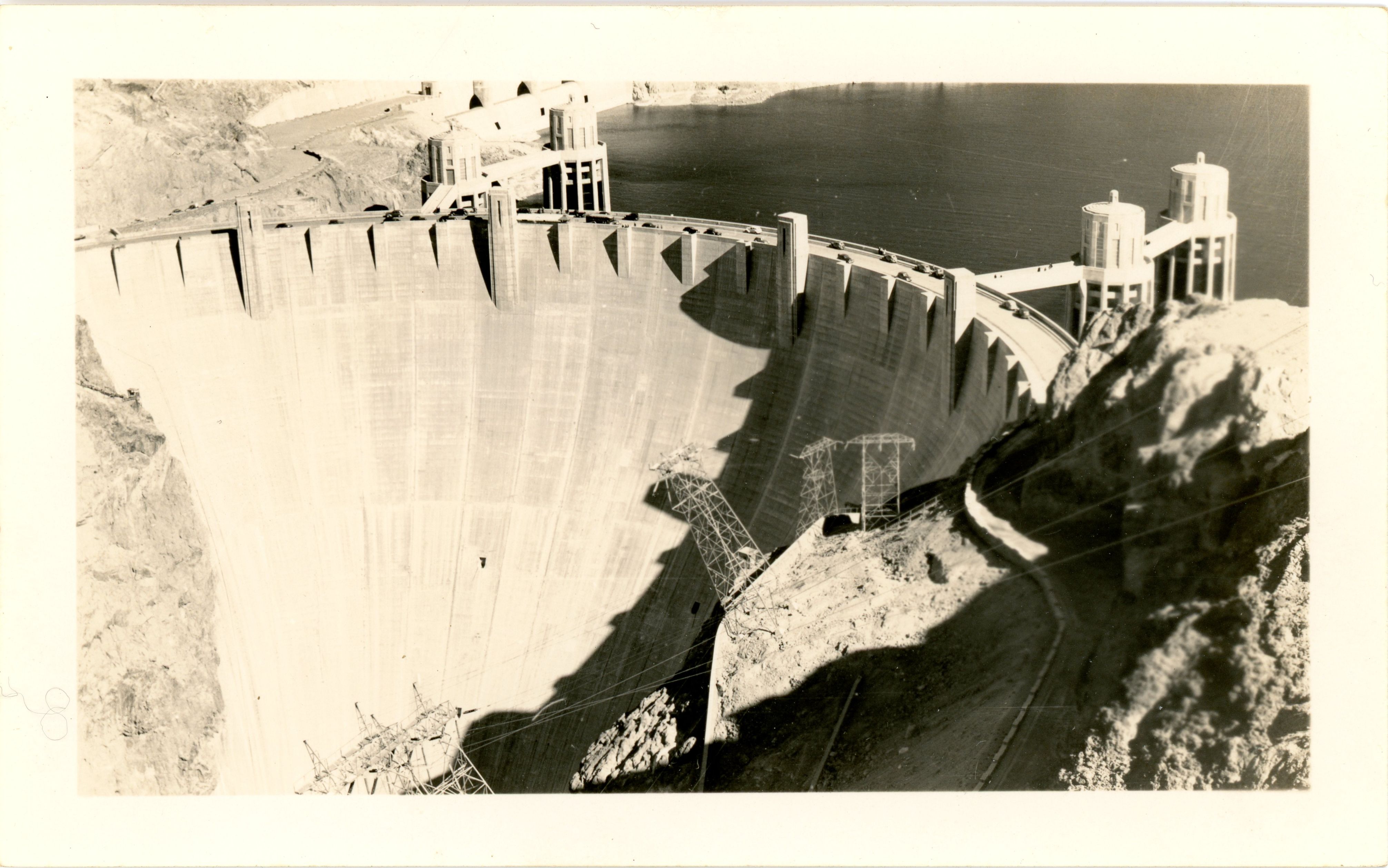
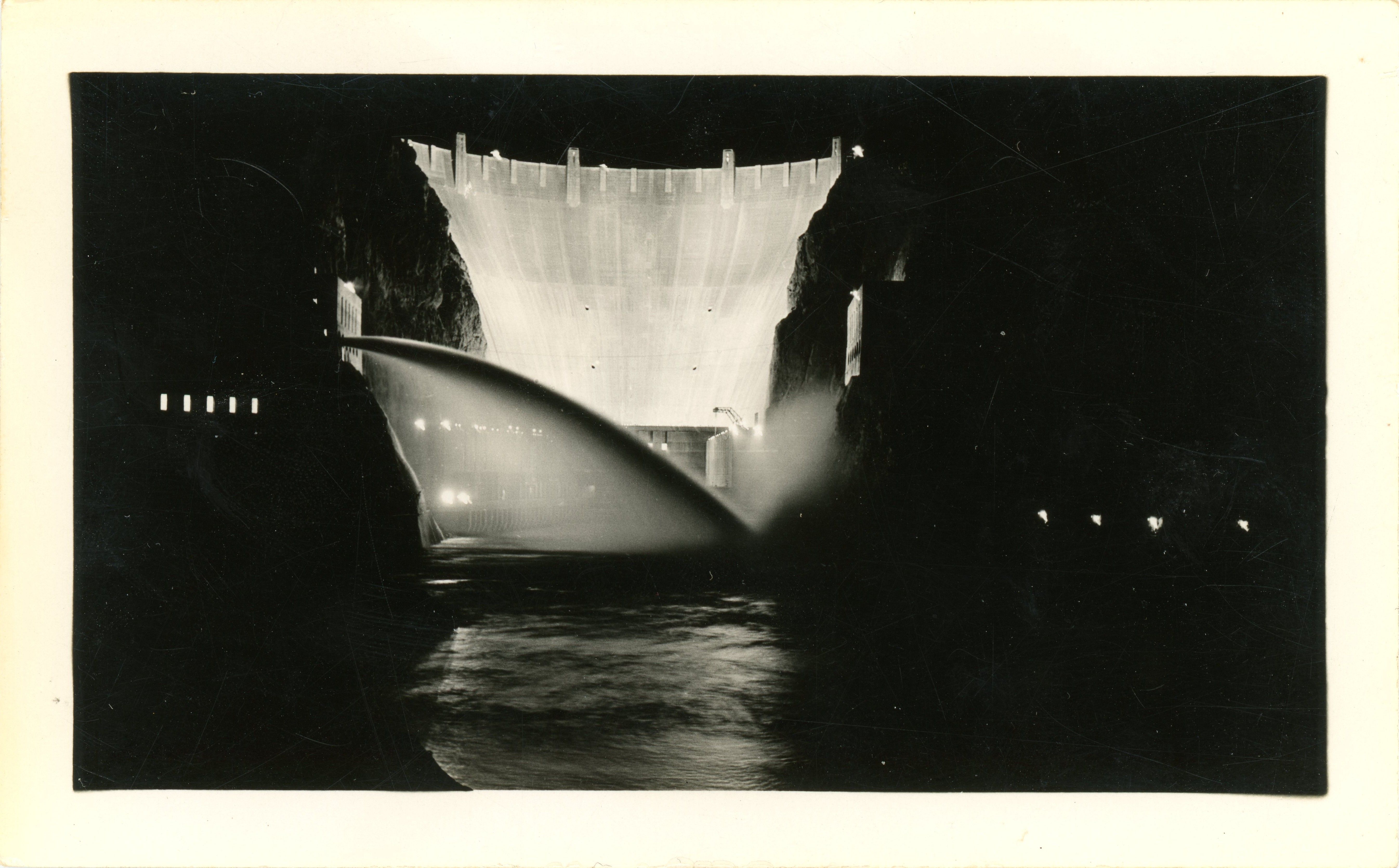

Hoover Dam forms Lake Mead, named after commissioner of the Bureau of Reclamation Ellwood Mead. The dam, on the Colorado River, has a surface area of almost 250 square miles. Because of its proximity to Las Vegas, it has become a popular site for recreation.
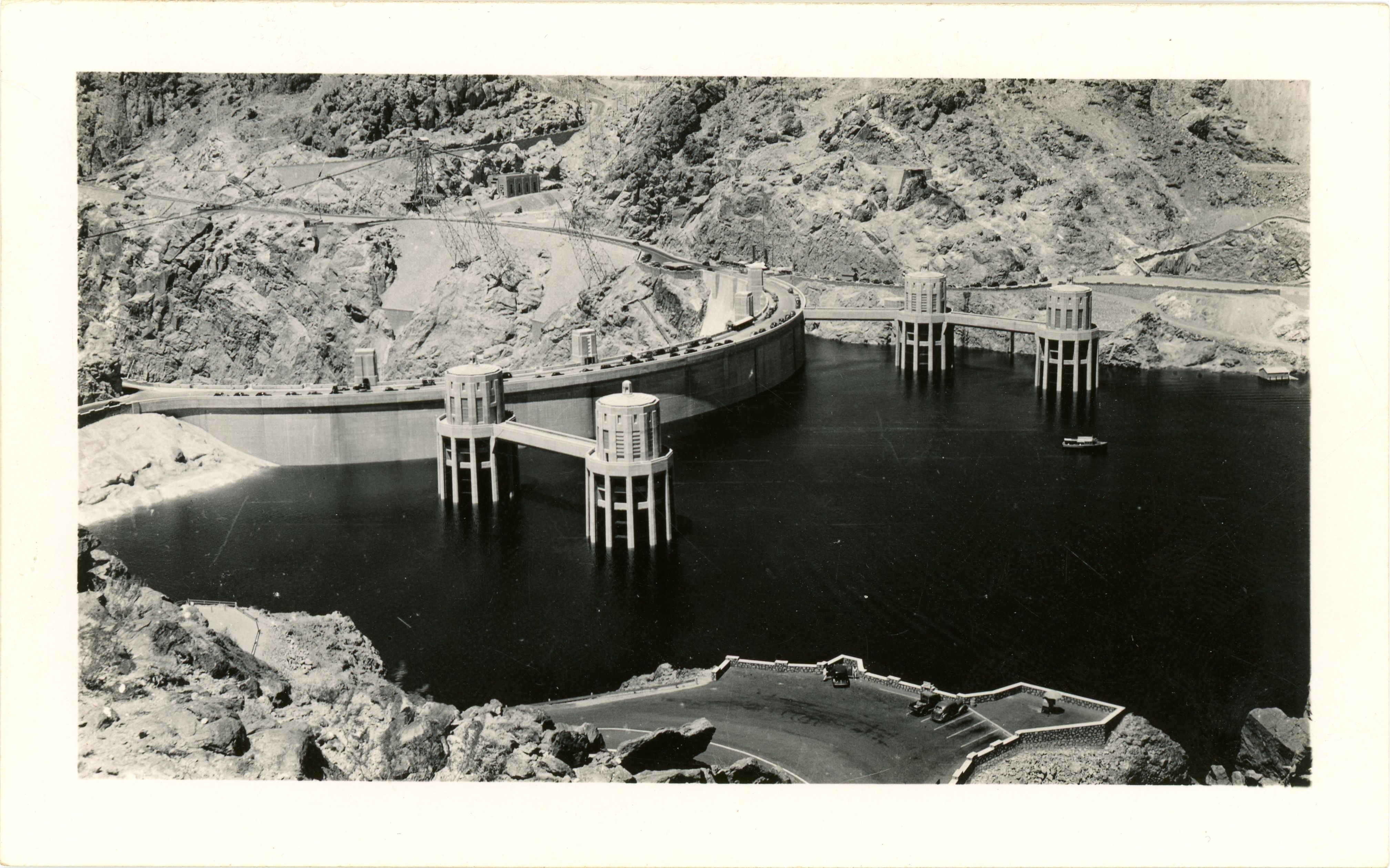
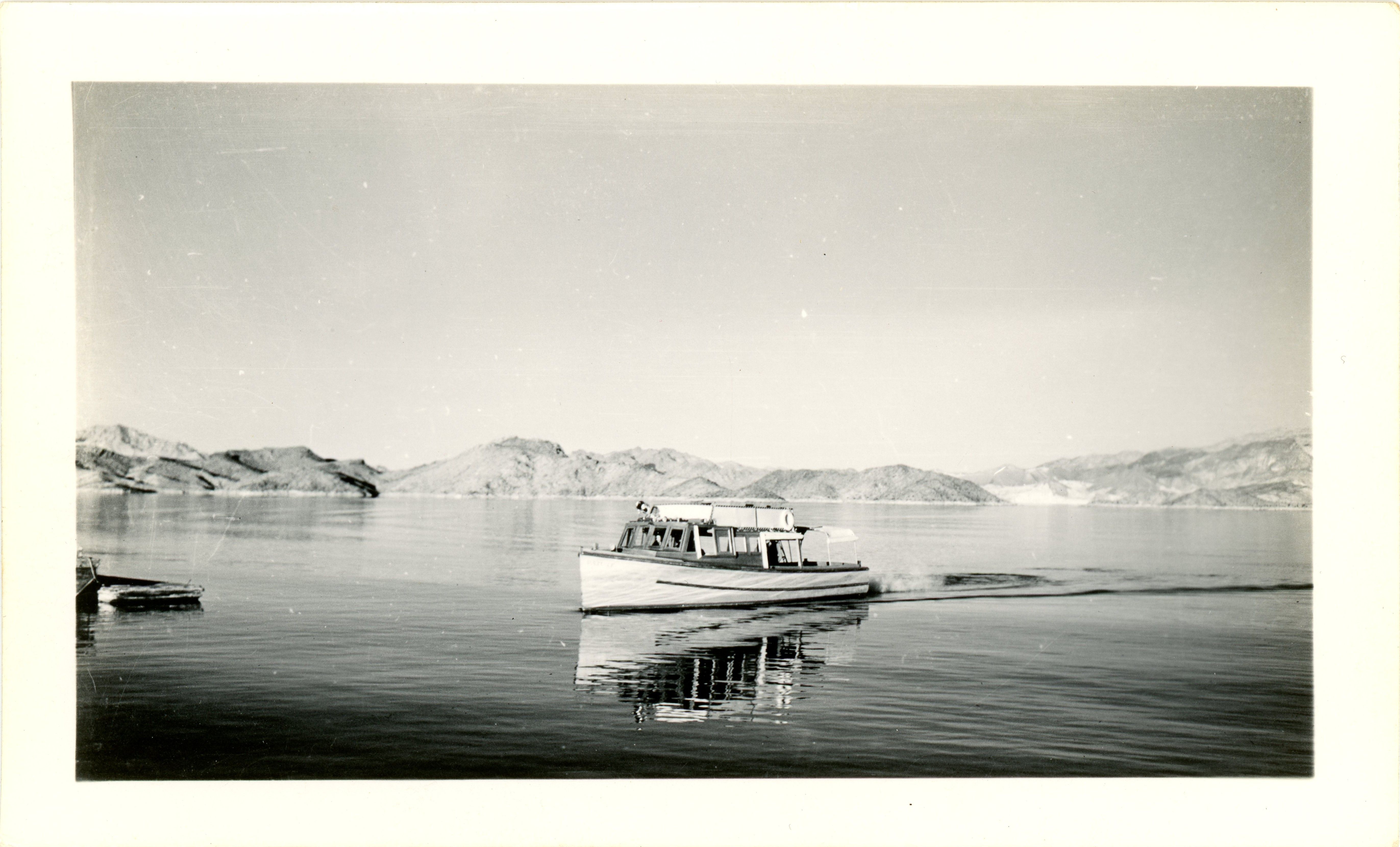

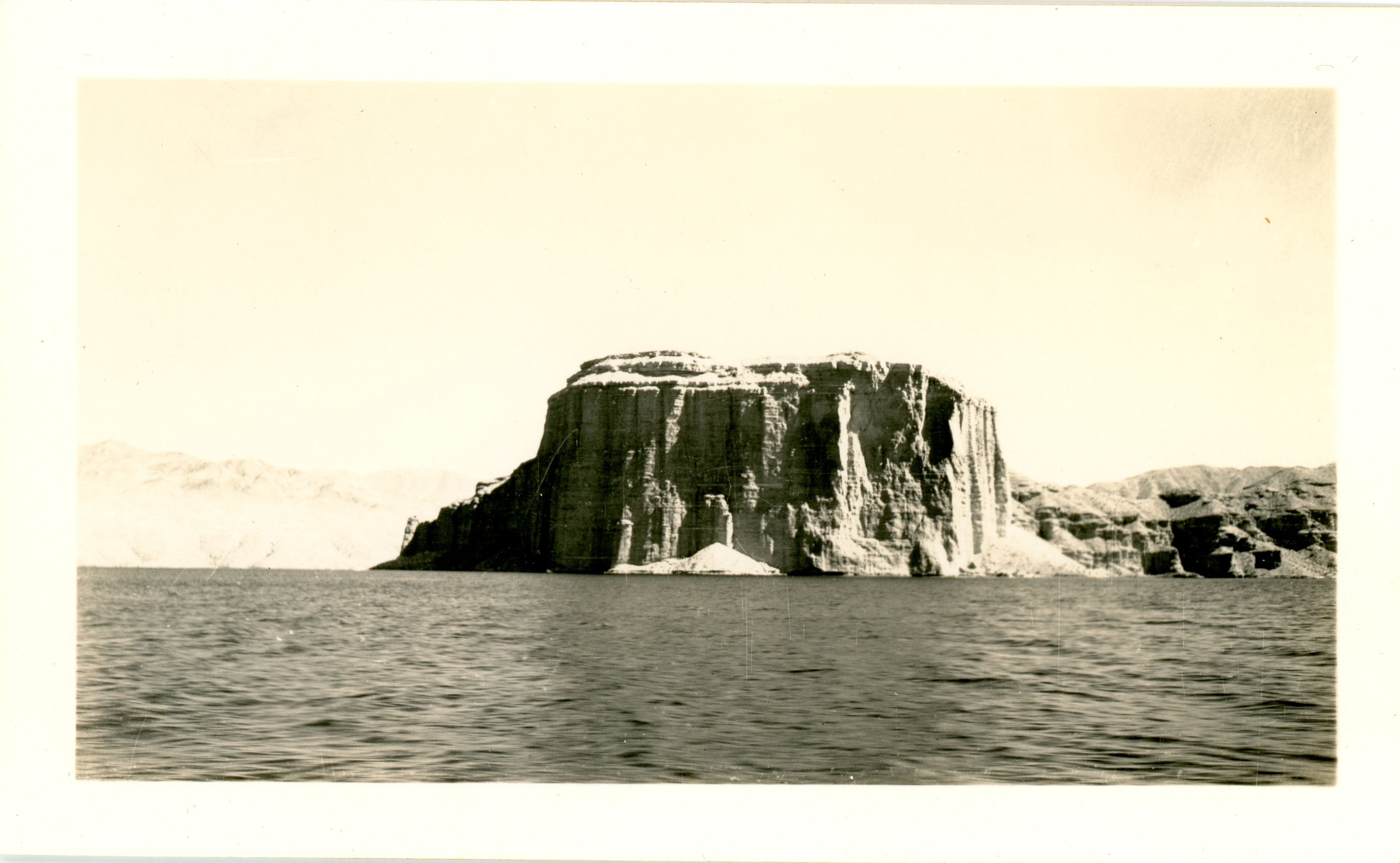
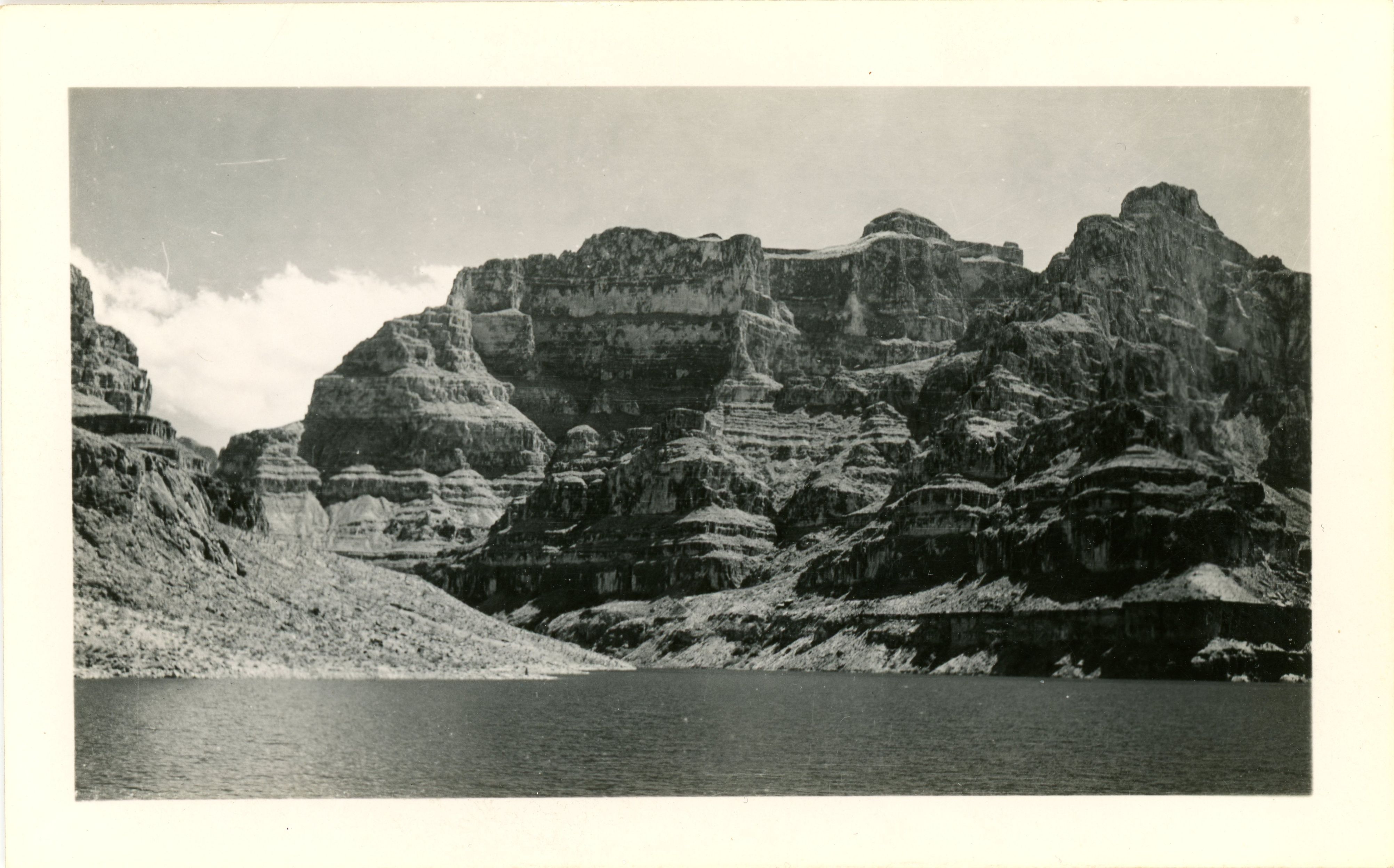
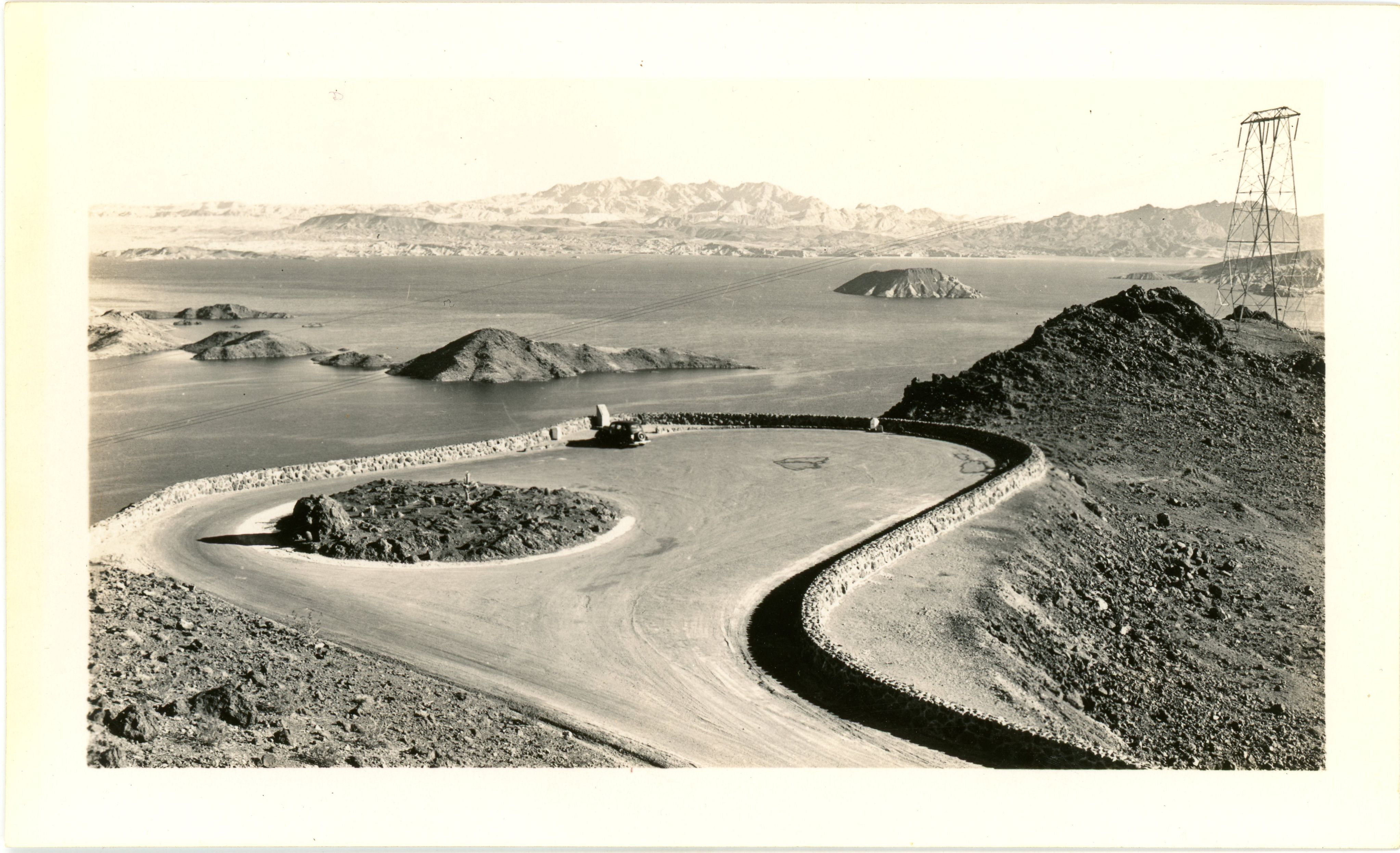


Due to its status as the world’s tallest dam when completed, the dam very quickly became a tourist attraction. In the heart of the Great Depression, it was used as a symbol of the massive public works projects undertaken during the New Deal (though it actually predated the New Deal by two years).

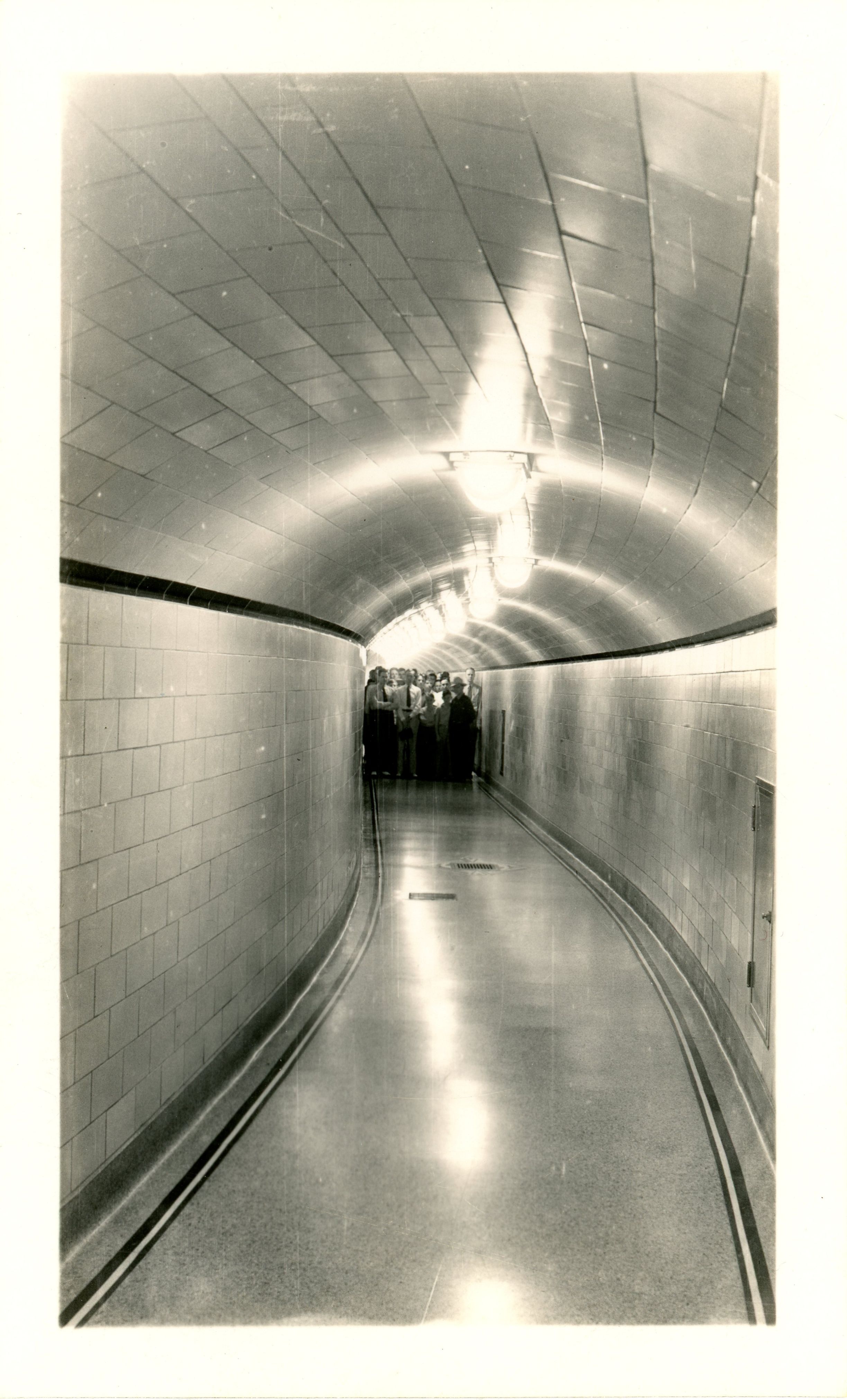
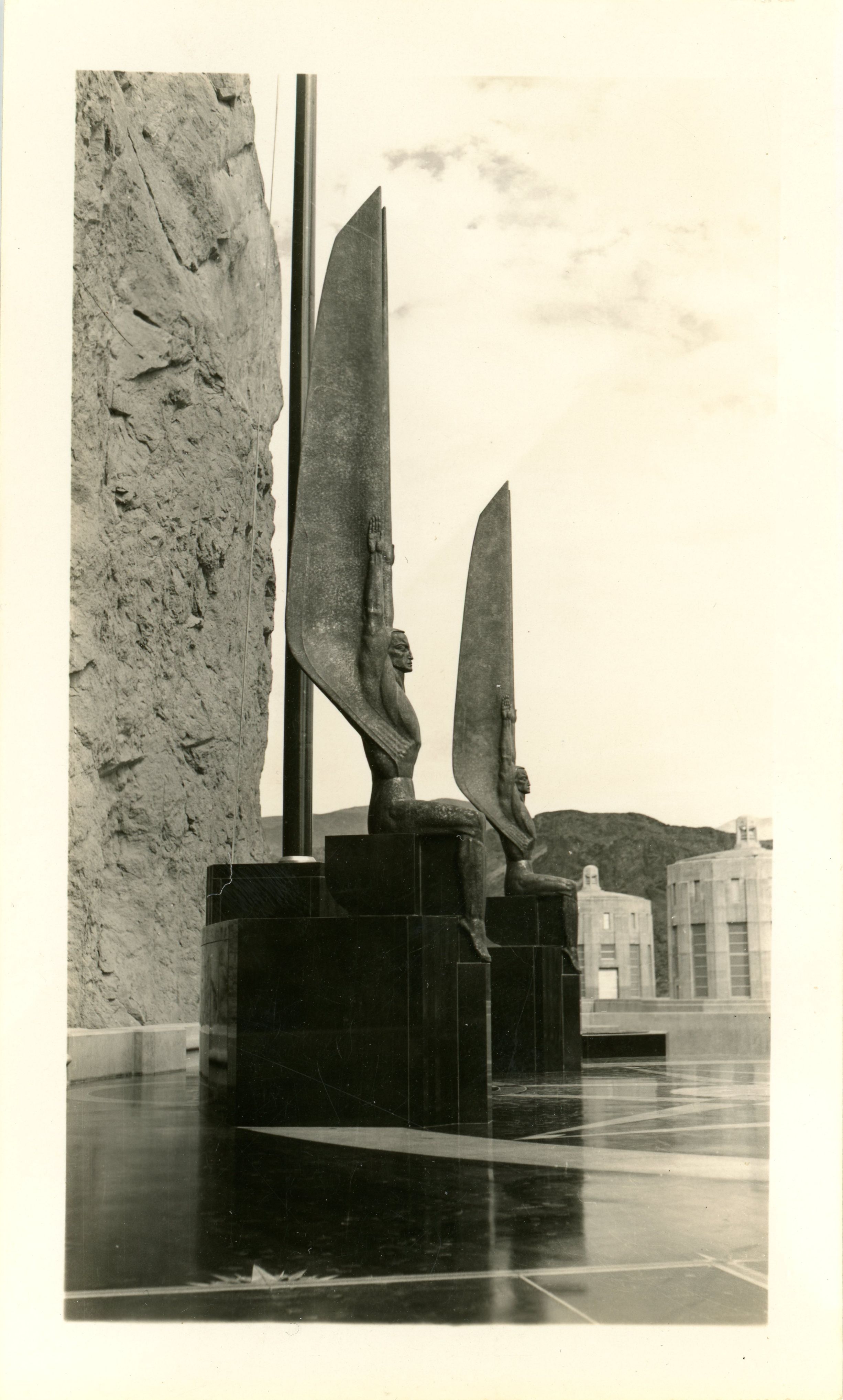
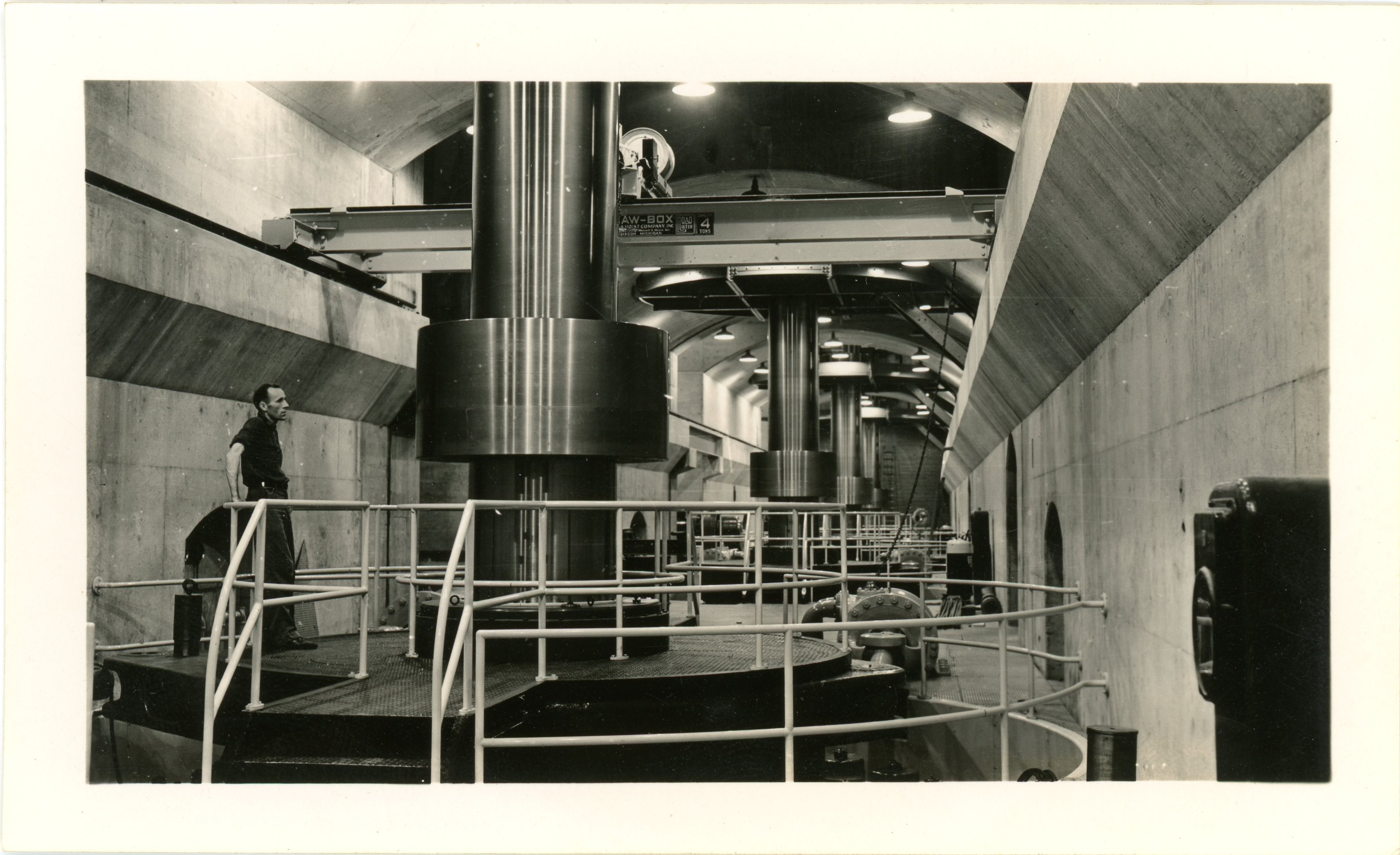
Hoover Dam, of course, is not just for show. Inside the power plant are several massive turbines to generate electricity for the Southwest. According to the US Energy Information Administration, the dam produces enough power to power a city of 750,000 people or 35,000,000 lightbulbs.

Earlier this year, I read Colossus: The Turbulent, Thrilling Saga of the Building of the Hoover Dam by Michael Hiltzik, which was an excellent history of this American icon. For more information on Herbert Hoover and public works, I recommend Herbert Hoover: A Life by Glen Jeansonne. If you are interested in FDR and nature conservation, see Rightful Heritage: Franklin D. Roosevelt and the Land of America by Douglas Brinkley.
Interested in subscribing to my blog? Type your email below to be notified about new posts.
 Andrew J. Bramlett