

Last week, I took a tour of Atlanta’s Westview Cemetery sponsored by the Atlanta Preservation Center. Westview is around 600 acres (half of which is developed) and is the South’s largest civilian cemetery. Through the following photos, I have shared some of the highlights.
Special thanks to our tour guide, Jeff Clemmons, author of Atlanta’s Historic Westview Cemetery.
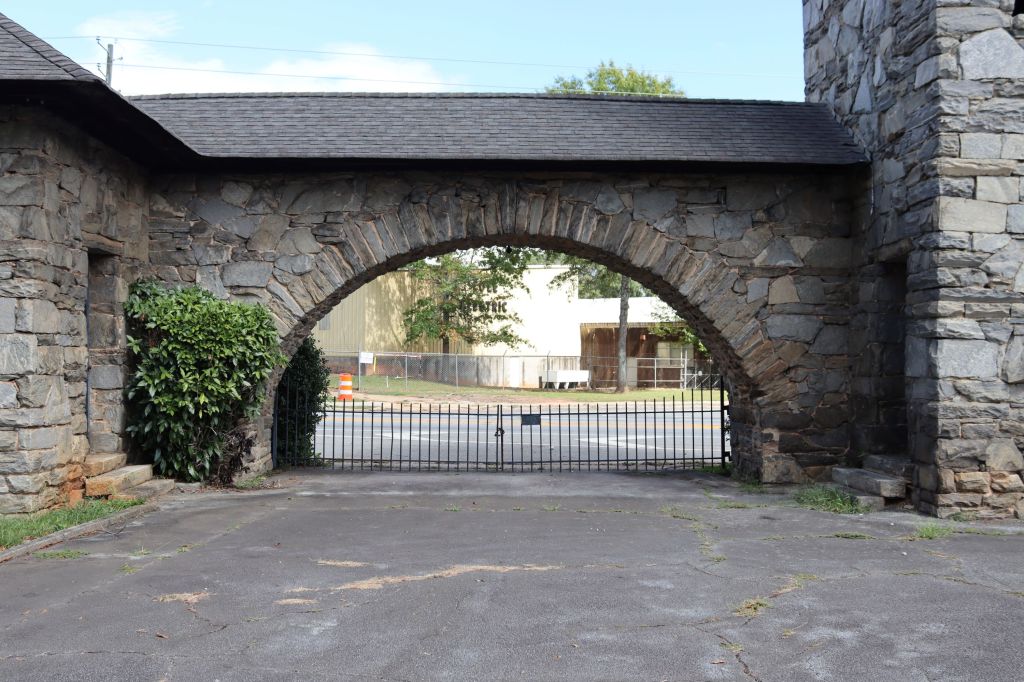
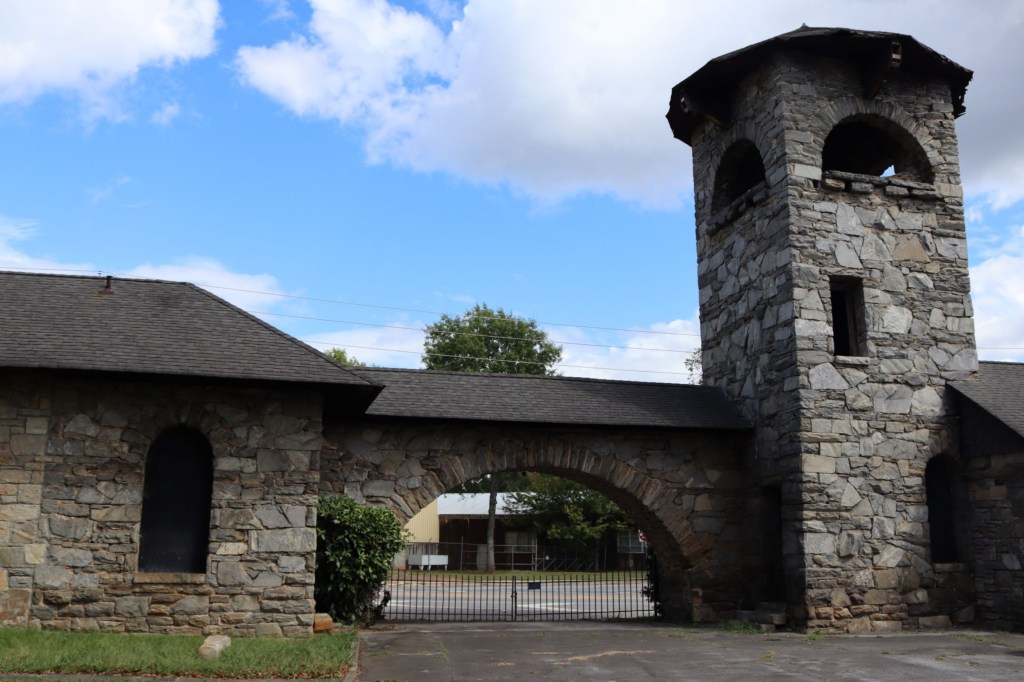
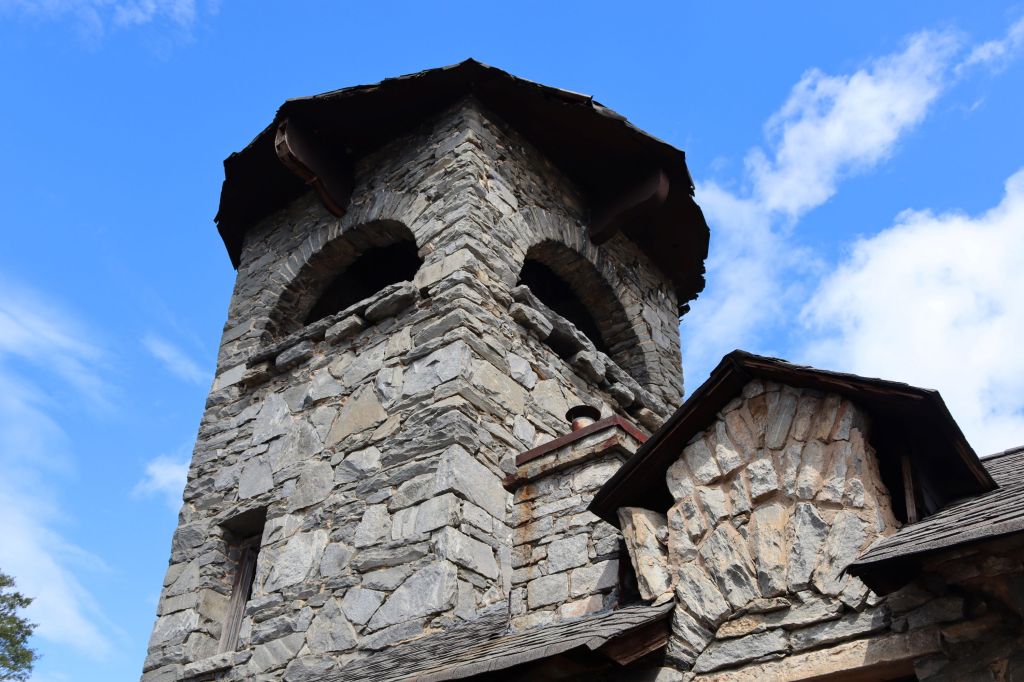
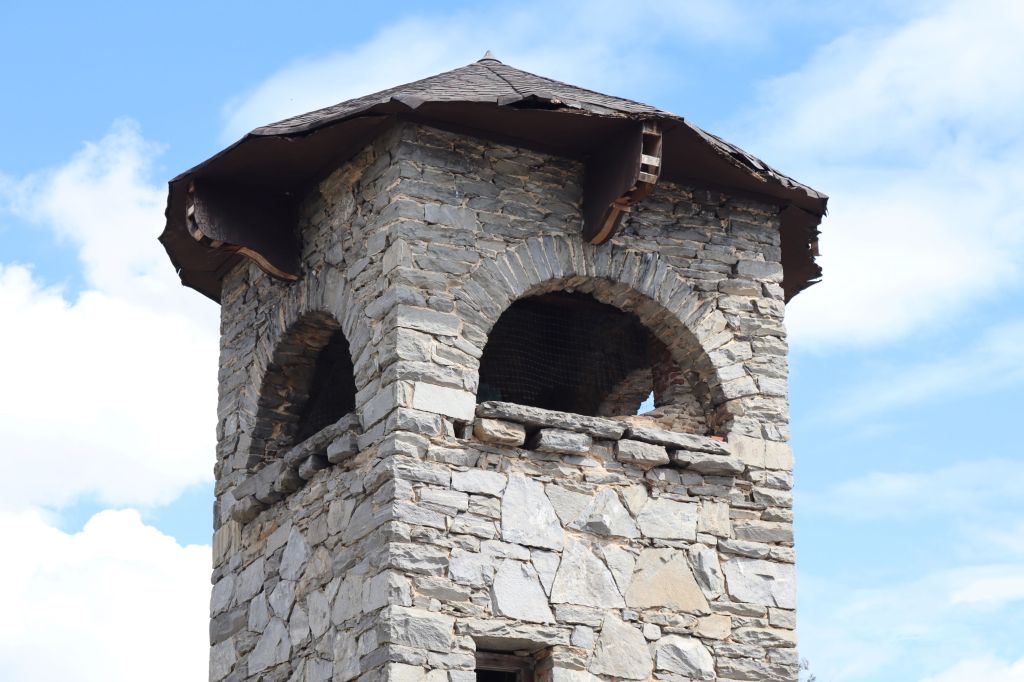
At the entrance to the cemetery is the historic 1890 gatehouse, built six years after the cemetery opened. Though it is closed now, the hope is to turn it into a museum about Westview.
More about that project can be found here: https://friendsofwestview.com/projects#gatehouse
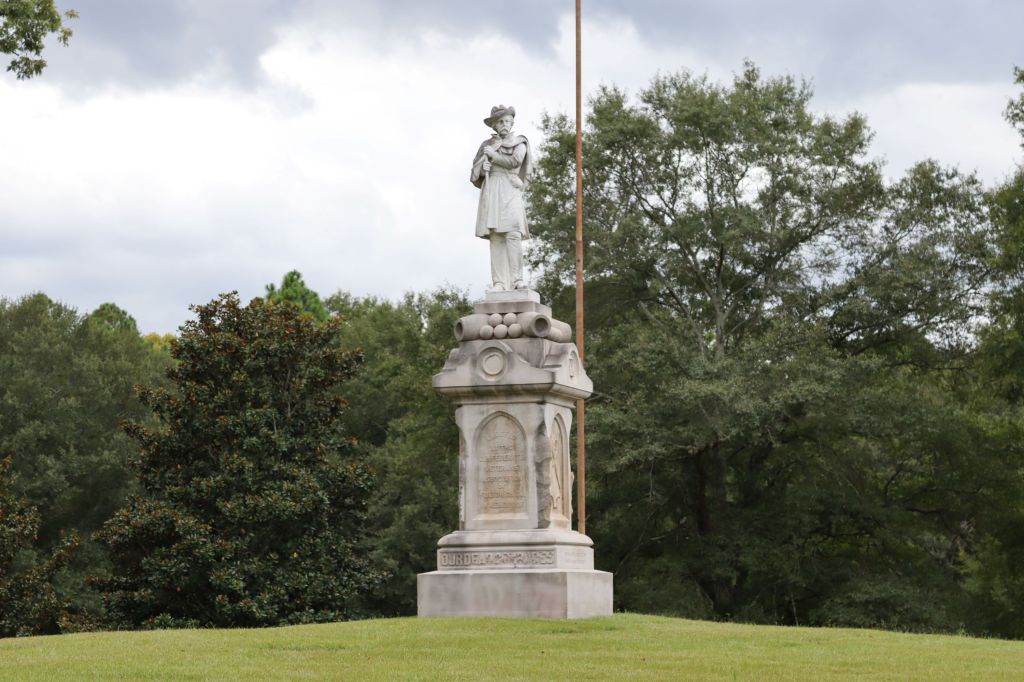
Before Westview was a cemetery, it was the site of a Civil War battle. The Battle of Ezra Church was fought on July 28, 1864, as part of the Atlanta Campaign. One hill in the cemetery has a Confederate monument because of the battle.
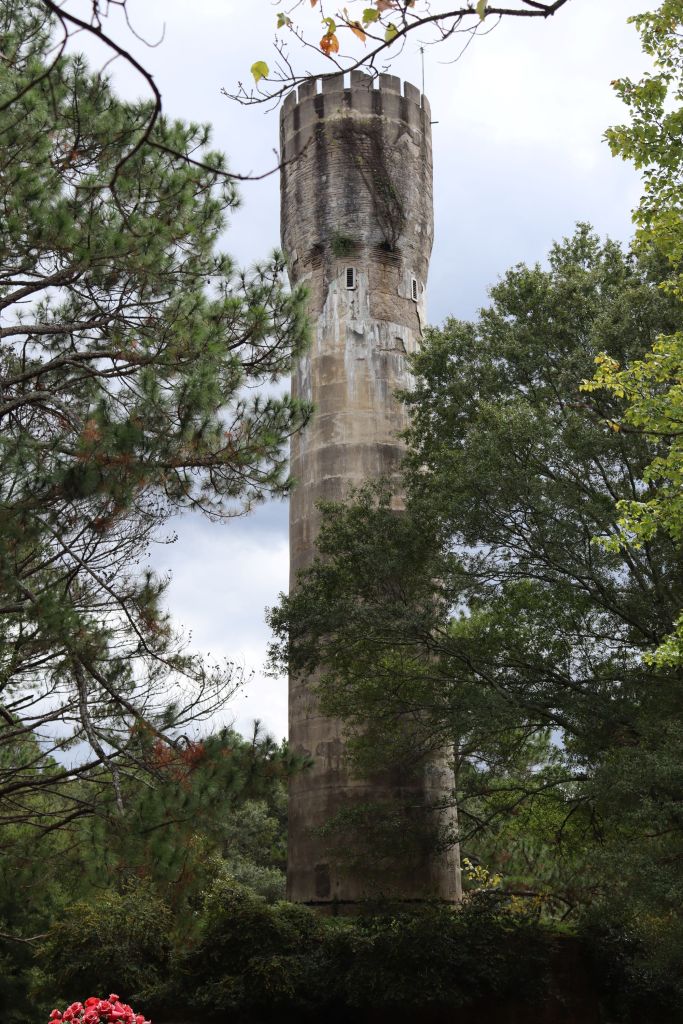

Westview was at one time home to its own florist company and greenhouses. This large water tower was built in 1921 to water the greenhouses. Later, cemetery owner Asa Candler Jr. added a building to the tower’s base to house his hunting trophy collection.


In the woods behind the water tower are two cemetery sections that have been closed for almost a century. The city used God’s Acre to bury paupers, while Rest Haven was the cemetery’s segregated African American section.

Marietta native Thomas M. Brumby was the Flag Lieutenant aboard Admiral George Dewey’s flagship, the USS Olympia, during the Spanish-American War. Brumby raised the American flag over Manila and died just one year after the war.
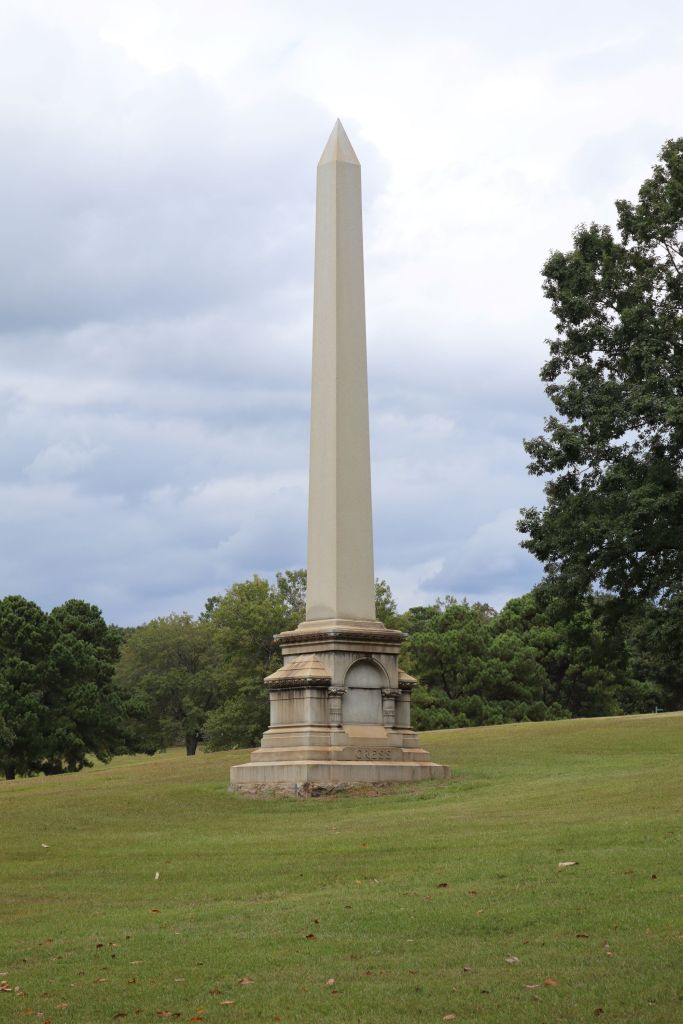
George V. Gress, who is laid to rest beneath this massive obelisk, may be best remembered for giving the Cyclorama painting to the City of Atlanta.

Harriet “Hattie” High was the wife of Atlanta department store owner J. M. High. In 1926, she gave the High Mansion on Peachtree Street to the Atlanta Art Association. Because of her donation, the museum was named the High Museum of Art.


In 1888, this receiving vault was built. If it was impossible to dig a grave due to frost, this vault was used for storage until warmer weather. It was sealed in 1945, and no photos of its interior exist. Interestingly, there is little evidence to support the claim it was used during the 1918 Flu Pandemic.


While John Pemberton may have created the formula for Coca-Cola, Asa Griggs Candler Sr. turned it into a national business. Candler was one of the wealthiest men in Atlanta and served one term as mayor. When we visited, a Coca-Cola bottle had been left on his grave. His son, Asa Jr. (or Buddie) was an owner of Westview.

One of Westview’s early famous burials was Henry Grady, who died in 1889. Grady was editor of the Atlanta Constitution and the nation’s leading spokesman for the New South Movement. Though his family wished for an Egyptian Revival mausoleum, this more subdued monument was donated to the family.
For information on Grady, I recommend Henry Grady’s New South: Atlanta, a Brave and Beautiful City by Harold E. Davis.
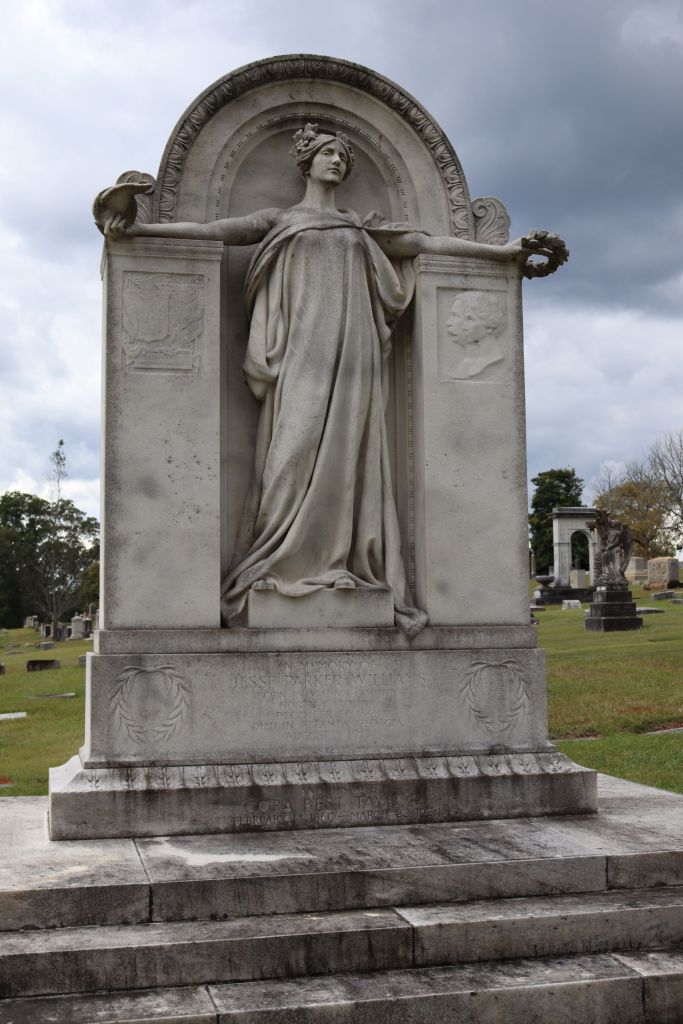

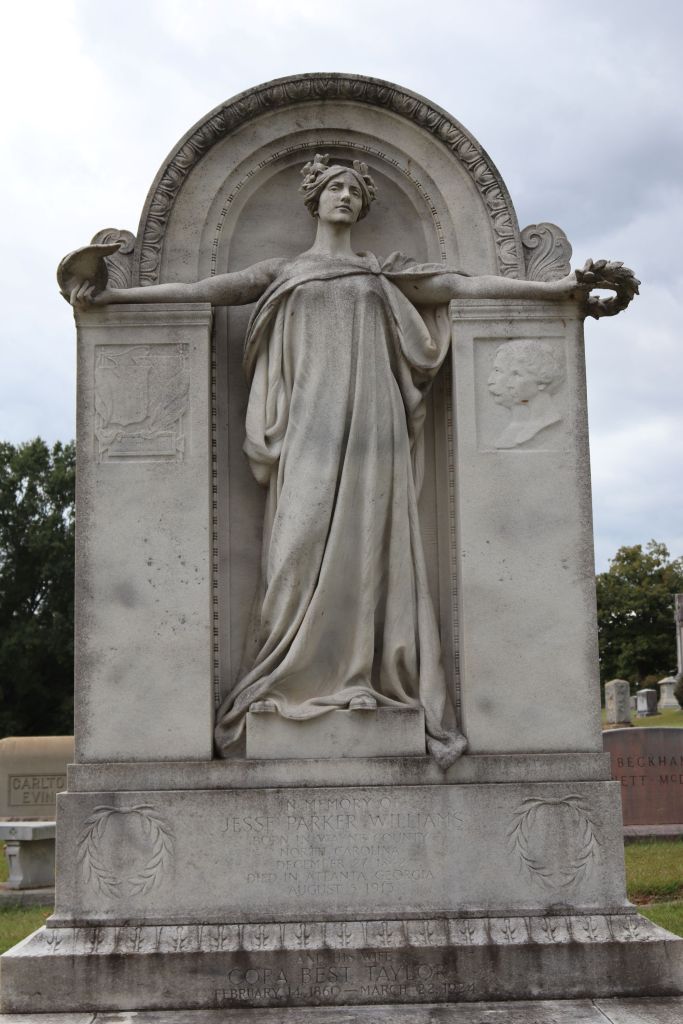
Daniel Chester French designed this elaborate statue for Jesse Parker and Cora Best Taylor Williams, while Henry Bacon designed the grave marker itself. Bacon was also the architect of the Lincoln Memorial, while French designed its famous statue of Lincoln.
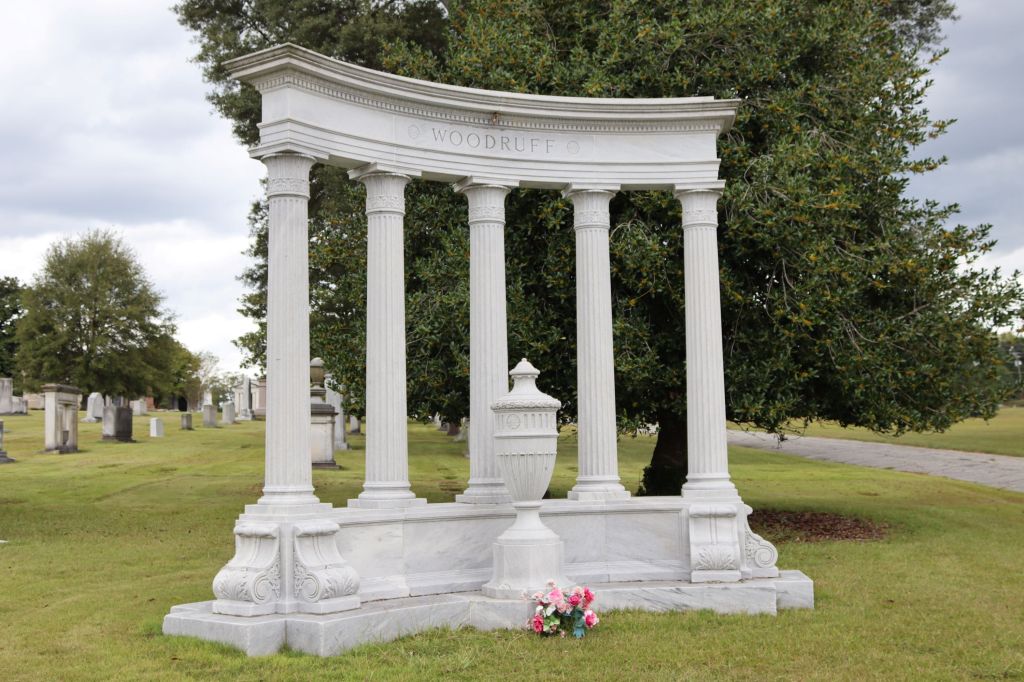
Asa Candler Sr. is not the only major Coca-Cola name at Westview. The Woodruff family, who owned the company after the Candlers, are laid to rest close by.


Maier & Berkele was a jewelry store on Atlanta’s Whitehall Street. The Maier’s are buried at Westview, near a granite slab from their original store.


Joel Chandler Harris was once one of the South’s most popular authors, thanks to his Uncle Remus. Harris’s books were collections of African American folk stories, and he has become a controversial author. His home, the Wren’s Nest, is close to Westview.

Laurent DeGive was a Belgian immigrant who first came to Atlanta in 1859. DeGive would build two opera houses, making him one of Atlanta’s first theatre owners. One of those theaters, the Grand Opera House, later became Loew’s Grand Theatre where Gone With the Wind premiered.

J. J. Haverty was one of several furniture magnates in Atlanta, but in the long run may have been the most successful. Havertys Furniture is still a national brand, but few realize it started here in Atlanta.
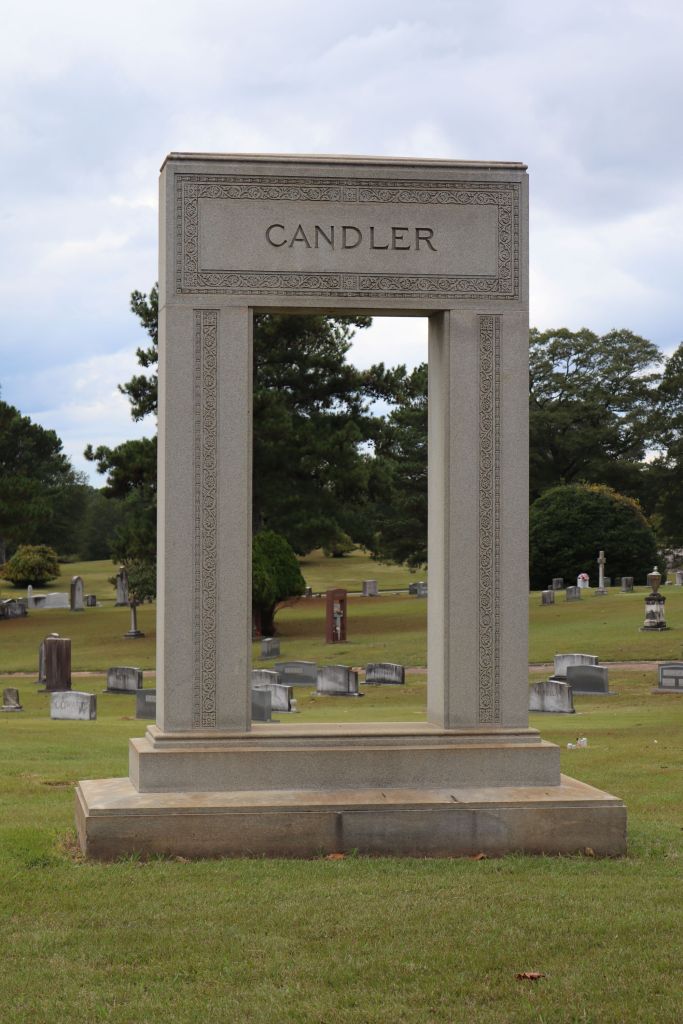
From 1930 to 1952, Coca-Cola heir Asa “Buddie” Candler Jr. owned Westview Cemetery. Many of the cemetery’s more extravagant features, from the large abbey to various sculptures, all date to his time as owner. Candler led an incredibly interesting life, including playing an important role in starting the Atlanta Airport.
I strongly recommend reading Sara A. H. Butler’s recent biography, Fortune & Folly: The Weird and Wonderful Life of the South’s Most Eccentric Millionaire.
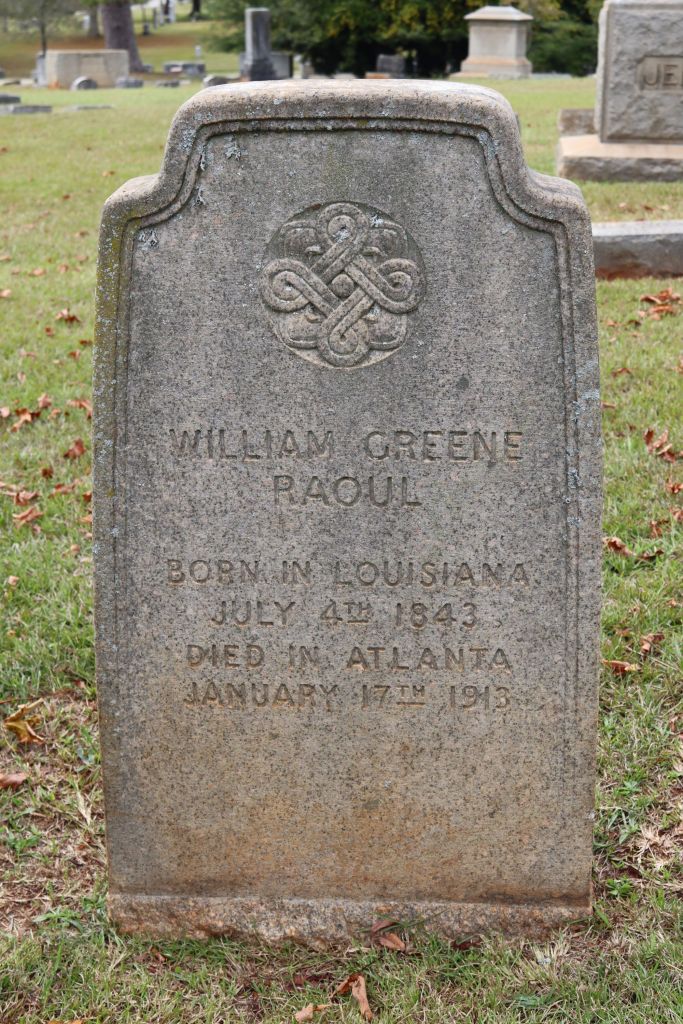
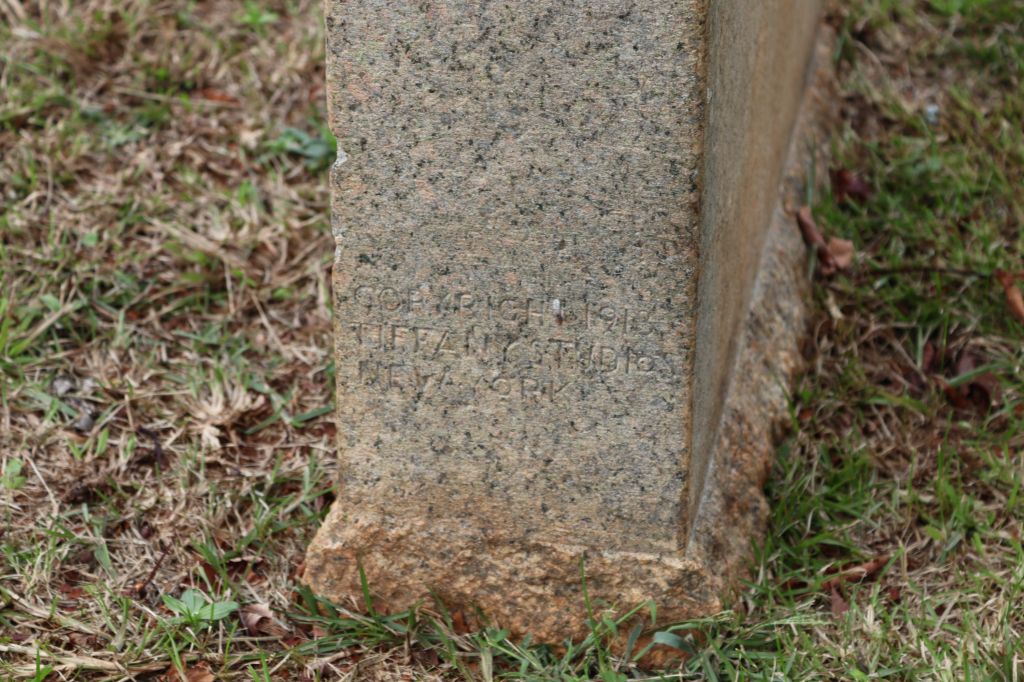
While many Westview monuments likely came from local monument companies, some have fascinating origins. For instance, this 1913 marker was made by Tiffany.


Helen Haskins, who passed away in October 1884, is the first known burial at Westview Cemetery.

Author Frances Newman, while not often thought of today, was once a leading Southern author . She published only two novels during her lifetime, “The Hard-Boiled Virgin” and “Dead Lovers are Faithful Lovers.”
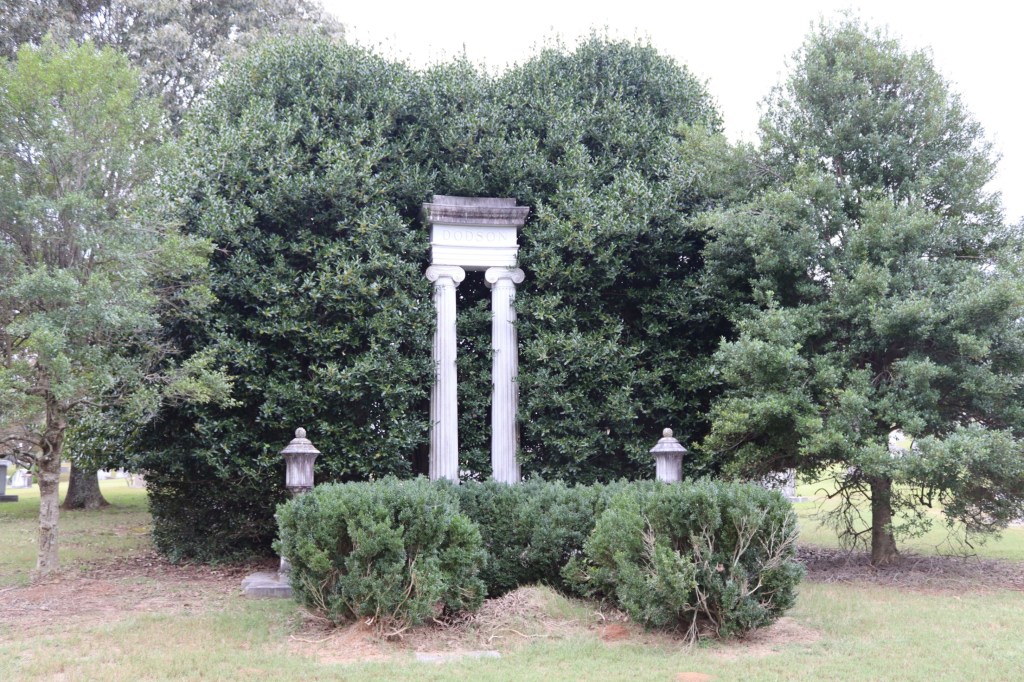
At one time, many of the larger markers at Westview were surrounded by shrubbery. Over the years, almost all of the original plants are gone. Only one plot is still surrounded by greenery as it would have been a century ago.
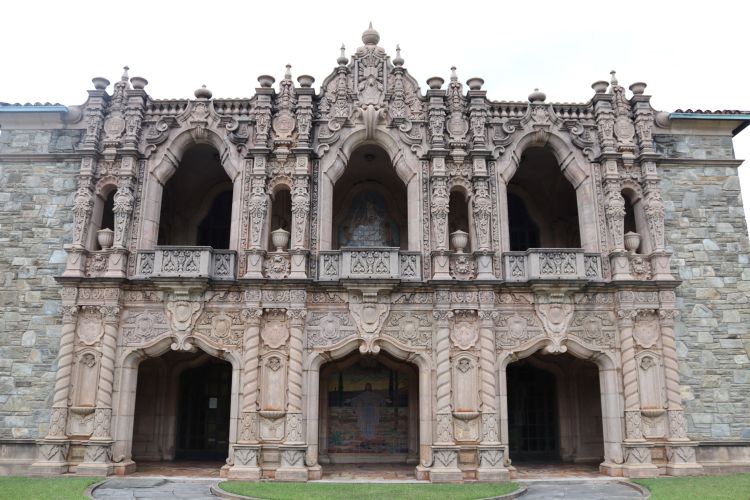
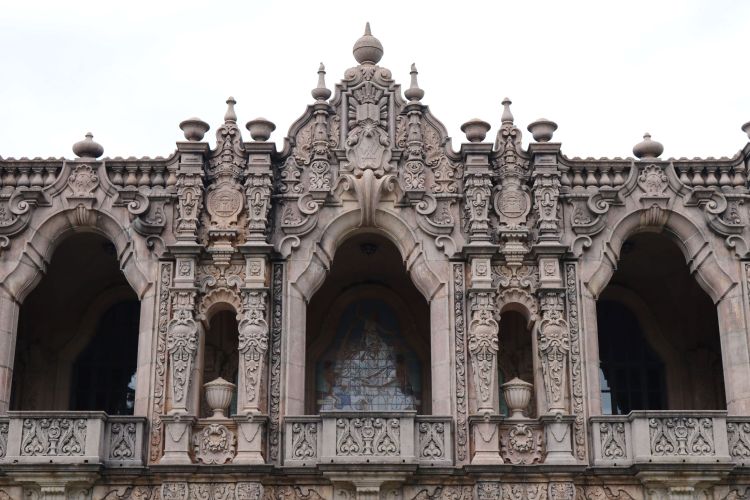

The crown jewel of Westview is the Abbey. Construction began in 1943, and essential stopped in the 1950s. Much of the building remains unfinished, so it is still considered a work in progress. It is designed in the Spanish Plateresque style as an homage to Forest Lawn Memorial Park in Los Angeles. While this grand entrance may seem like the front, it was actually intended to be side entrance. Though it is called an Abbey, it was never intended to have a religious purpose.

To the right of the Abbey is a smaller structure connected by a walkway. This portion of the building was designed to serve as a funeral home and administration building, though there were also plans for a movie screening room upstairs.
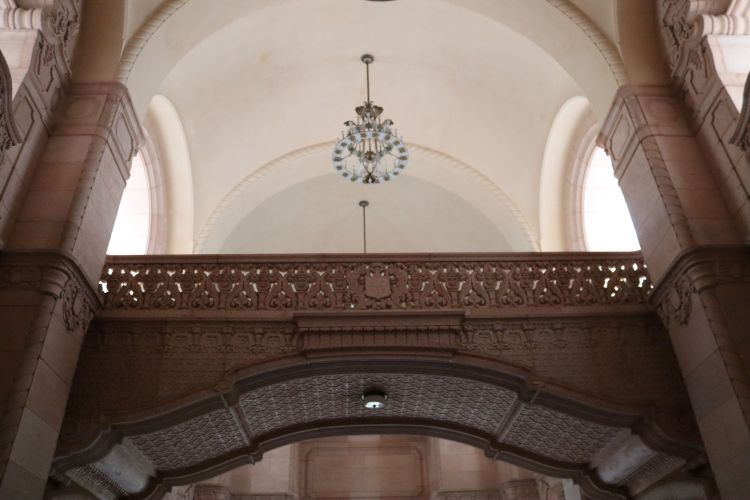

This space, called the Bridge Room, was designed to be the entrance room to the Abbey. From the bridge room are the hallways with crypts. The building was designed to hold about 11,000 remains.


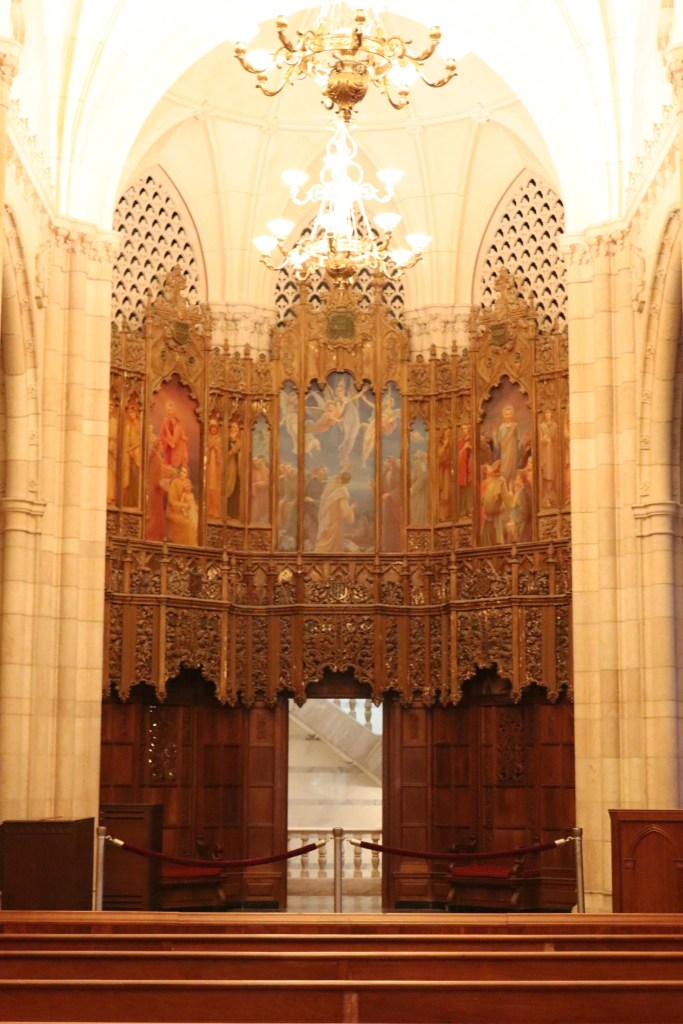
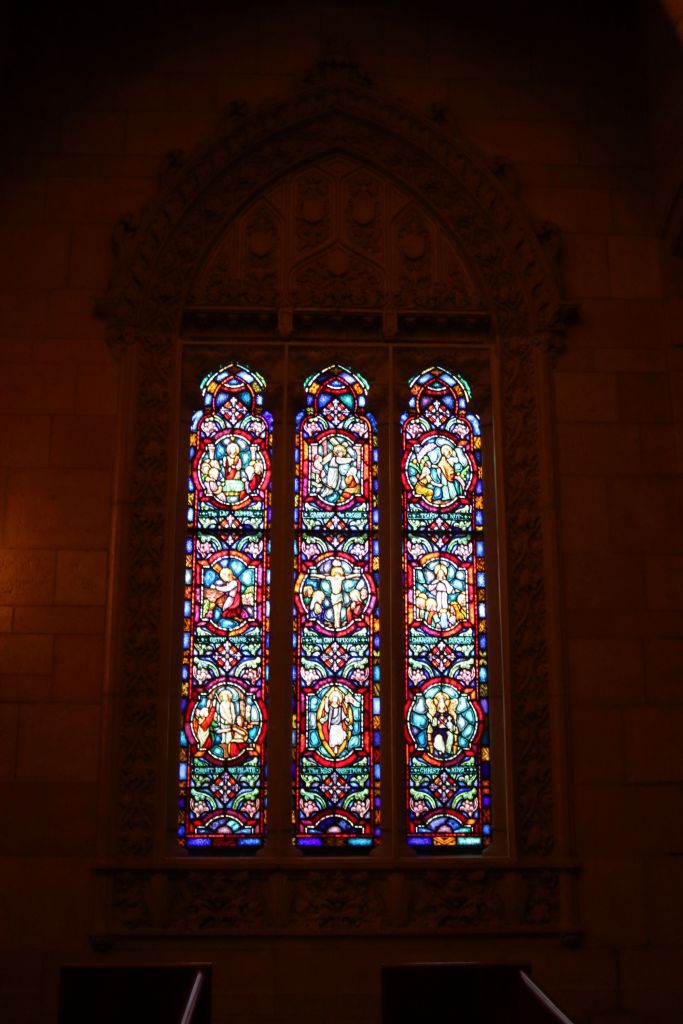
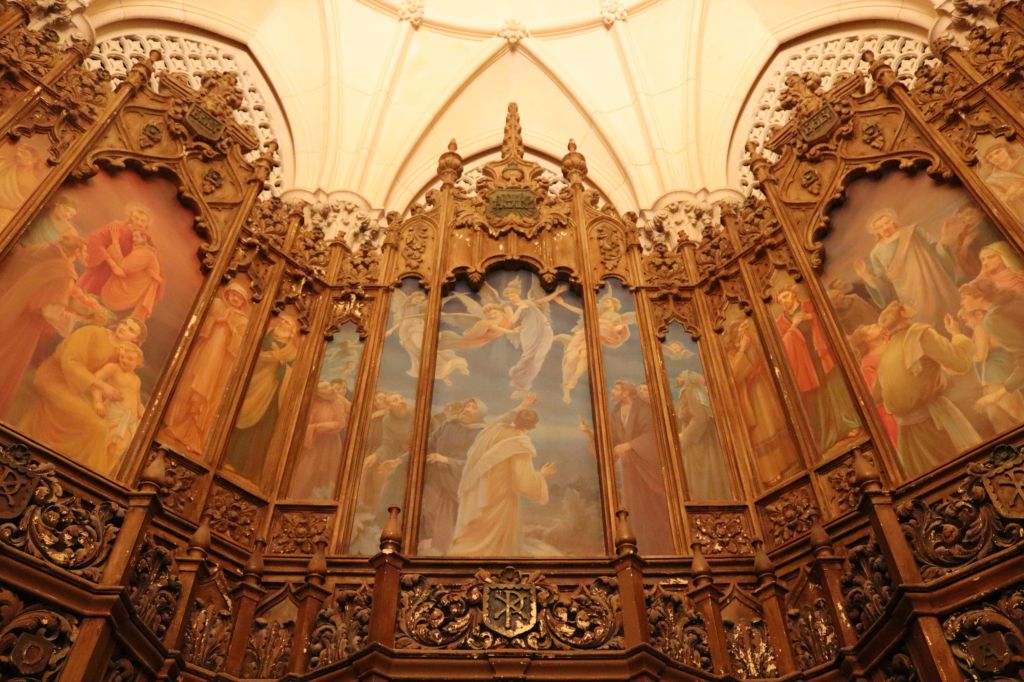
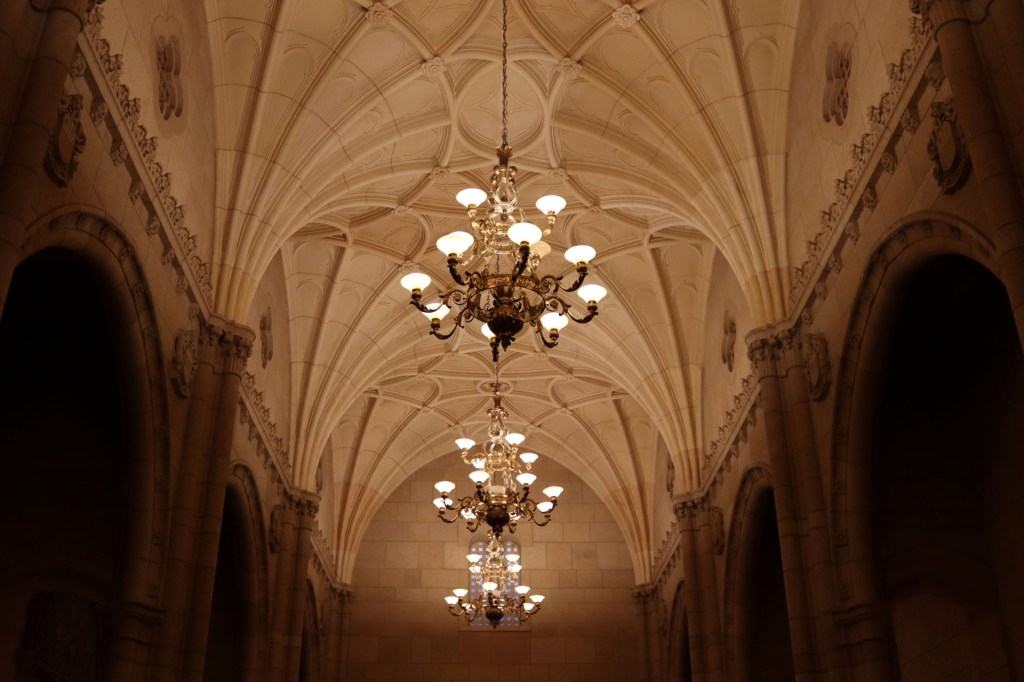
Though the original plan was for the Abbey to have three chapels, only one was ever built. Incredibly, what looks like stone is actually concrete.


Just behind the chapel is this staircase, with a large stained-glass window on top. Here, many types of marble can be seen. The full Abbey uses over 35 varieties.

This sarcophagus was intended for Asa Candler Jr., but after his death, his wife had his remains interred in a more traditional grave outside. Because of this, the sarcophagus will remain forever empty. Many notable burials can be found throughout the Abbey, including Helen Dortch Longstreet and Oliver Hardy’s mother.

The tallest point of the Abbey is the bell tower, but it was never completed and remains empty today. The weather vane on top is original, and dates to 1947.

With this, I have reached the end of my Westview photos. I have just scratched the surface of what is at the cemetery. For more information, check out the cemetery’s Facebook page and Jeff Clemmons’ book.
Interested in subscribing to my blog? Type your email below to be notified about new posts.
 Andrew J. Bramlett