

Back on the weekend of August 24-25, we visited the Asheville area for a weekend trip. While there, I took photos of the Grove Park Inn, W. J. Bryan House, and Biltmore Estate. Below are the best pictures I made. These photos were originally posted on my Archive of the Past social media page.
Asheville’s historic Grove Park Inn opened in 1913. The original building is in an Arts and Crafts style, while the two wings (not pictured here) are much more modern. The hotel has had countless famous visitors, including ten US Presidents.


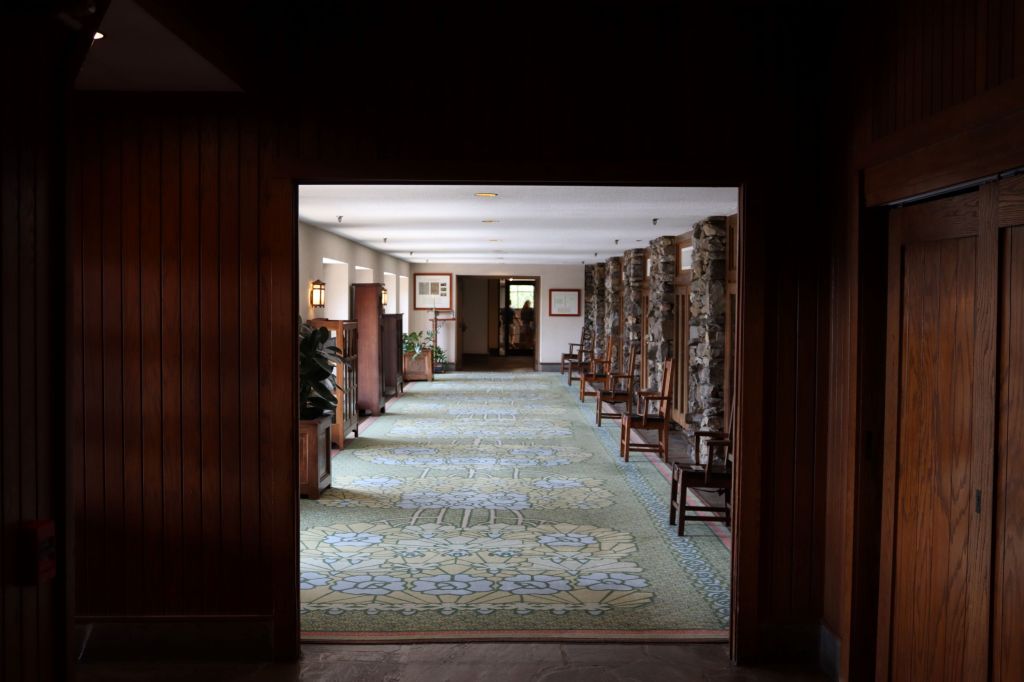
The Arts and Crafts style is very prominent in the lobby of the Grove Park Inn. Dominating the room are two large stone fireplaces that also house the building’s original elevators.


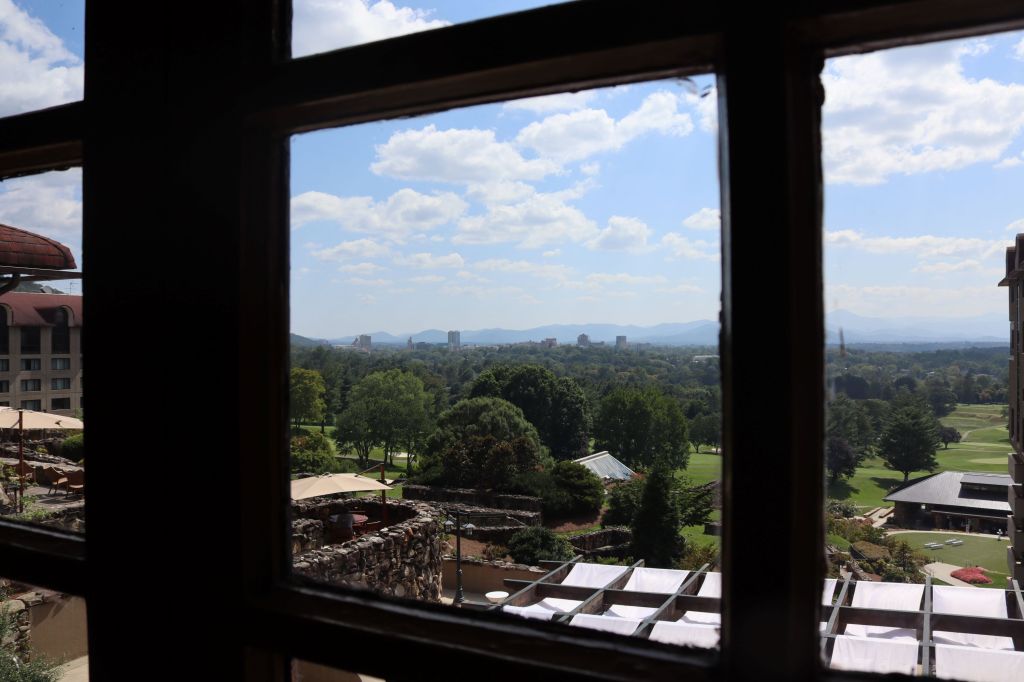
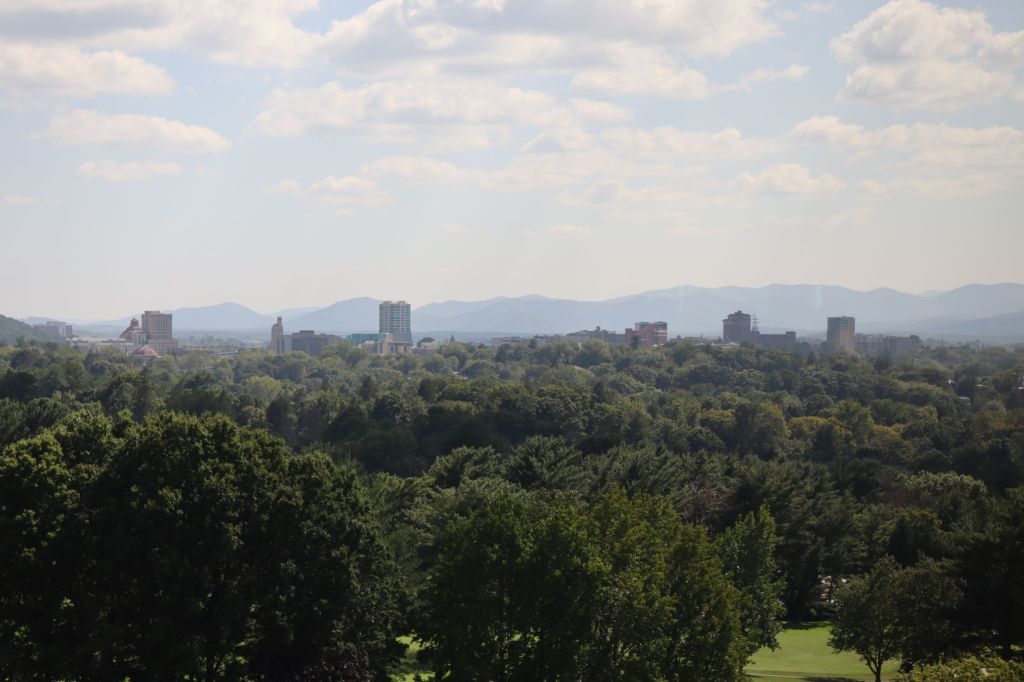
Because the Grove Park Inn is perched on a mountain, it has impressive views of the Asheville area. Parts of the hotels additions can be seen in these photos.

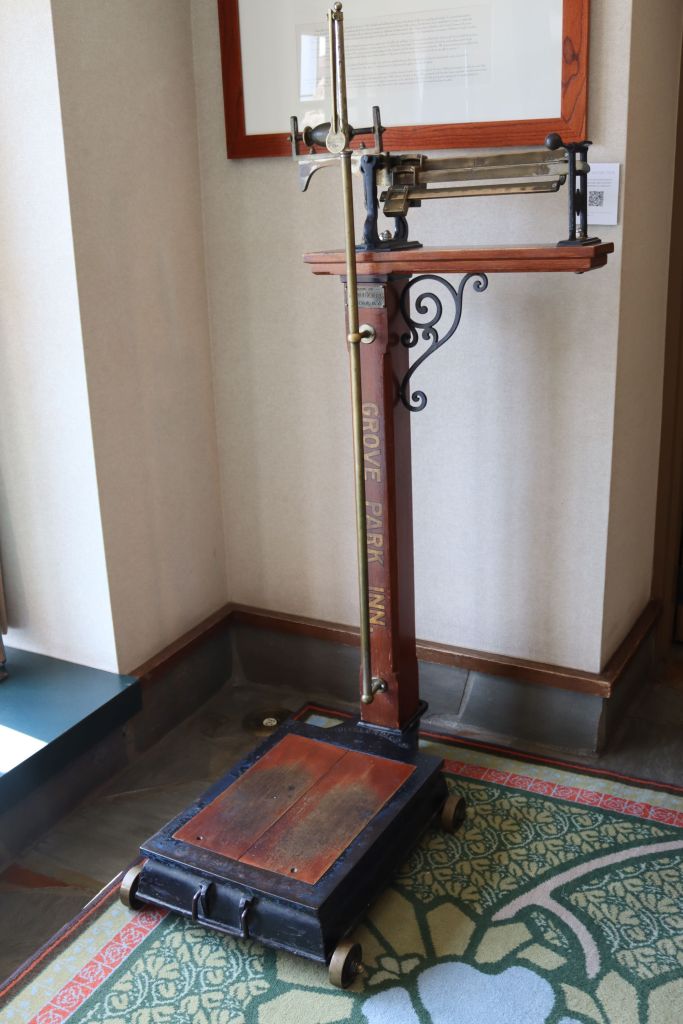
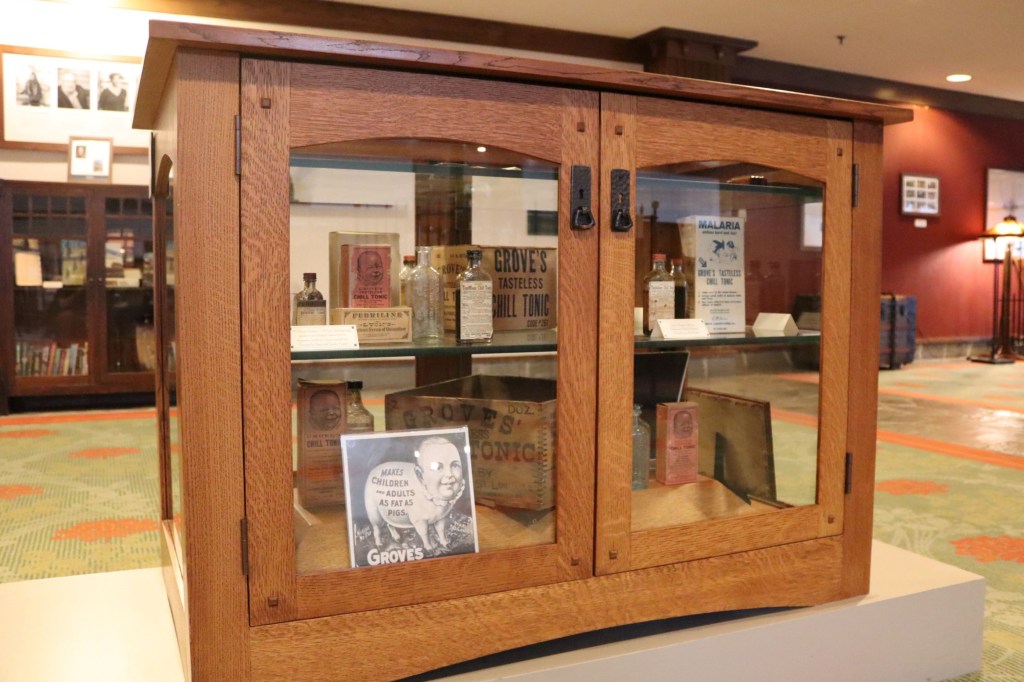
Several spaces in the historic Grove Park Inn highlight its history. The inn was built by Edwin Grove, a patent medicine salesman known for his tonic making “children and adults as fat as pigs.” Because of this background, the Inn also served as a health resort when built. It is still well-known today for its spa.


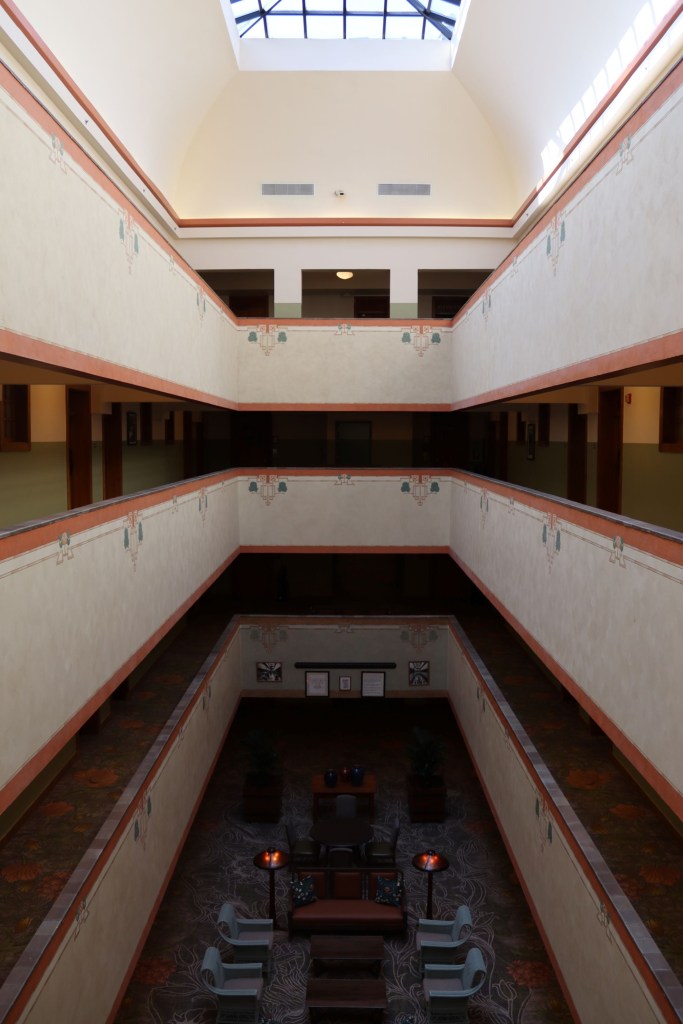
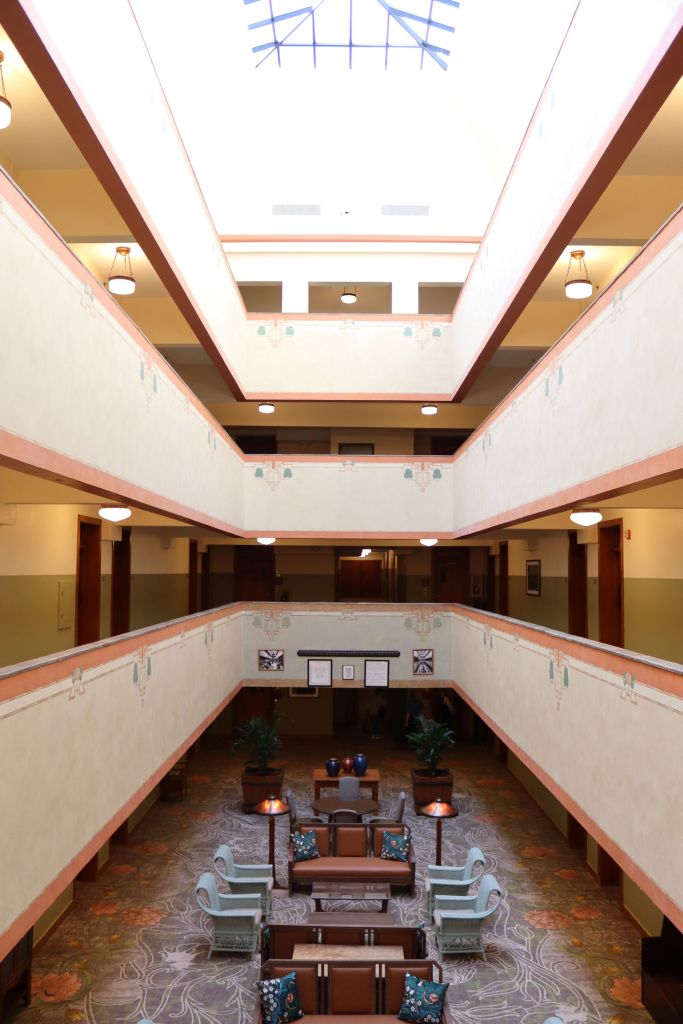
Above the lobby is the Palm Court, where many of the guest rooms can be found. This space is supposedly haunted by the Pink Lady, who fell to her death here in 1920.


Author F. Scott Fitzgerald stayed at the Grove Park Inn in 1935 and 1936. He was in Asheville while his wife, Zelda, was undergoing treatment at a nearby mental hospital.


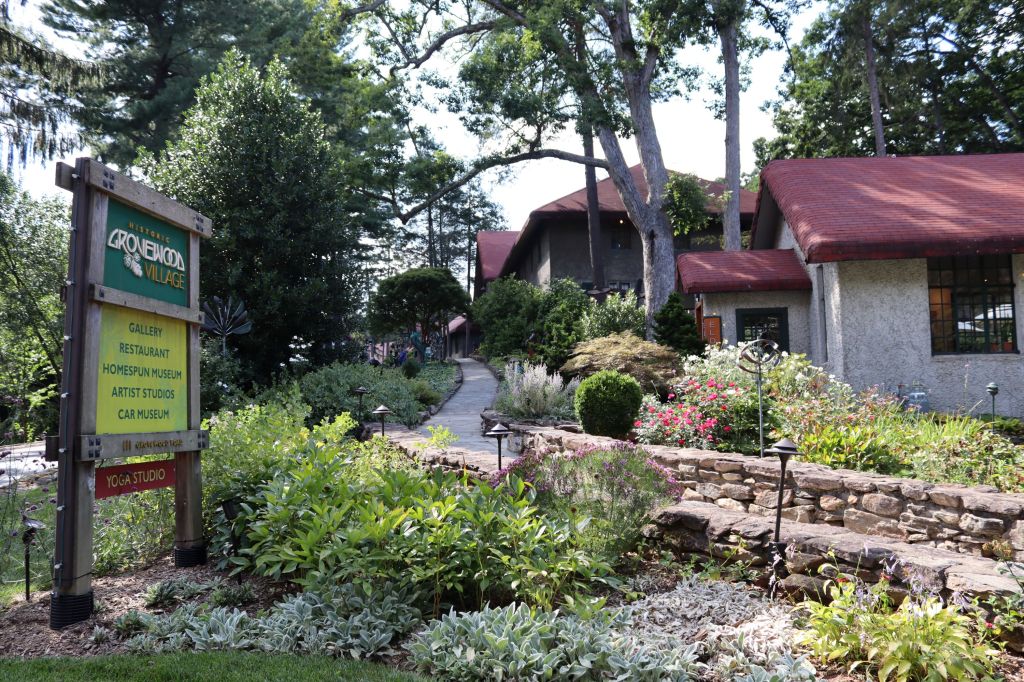
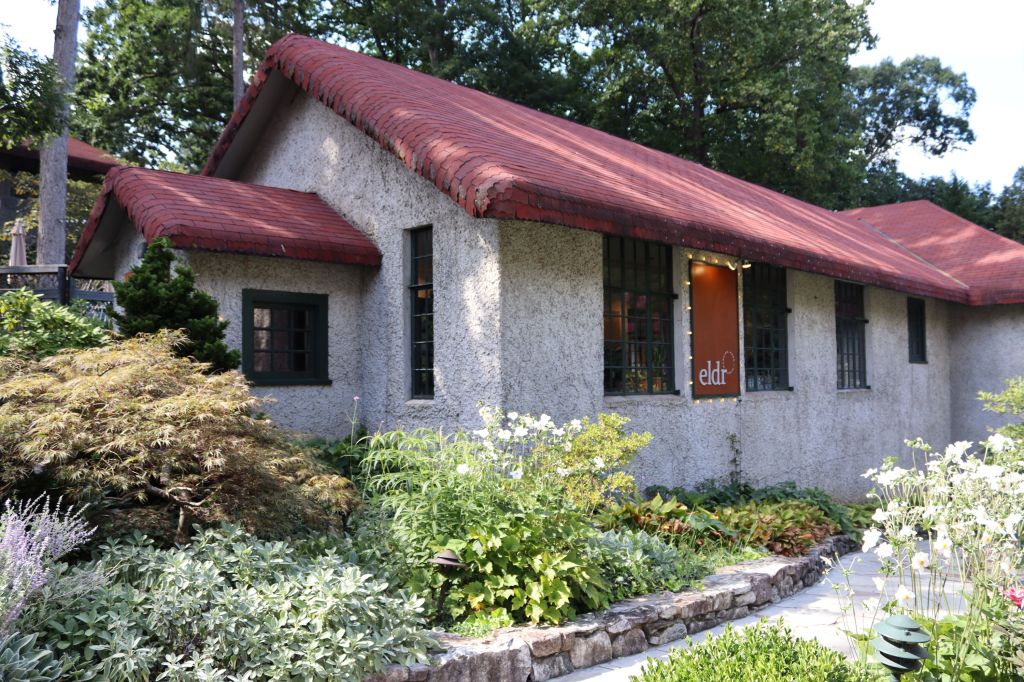
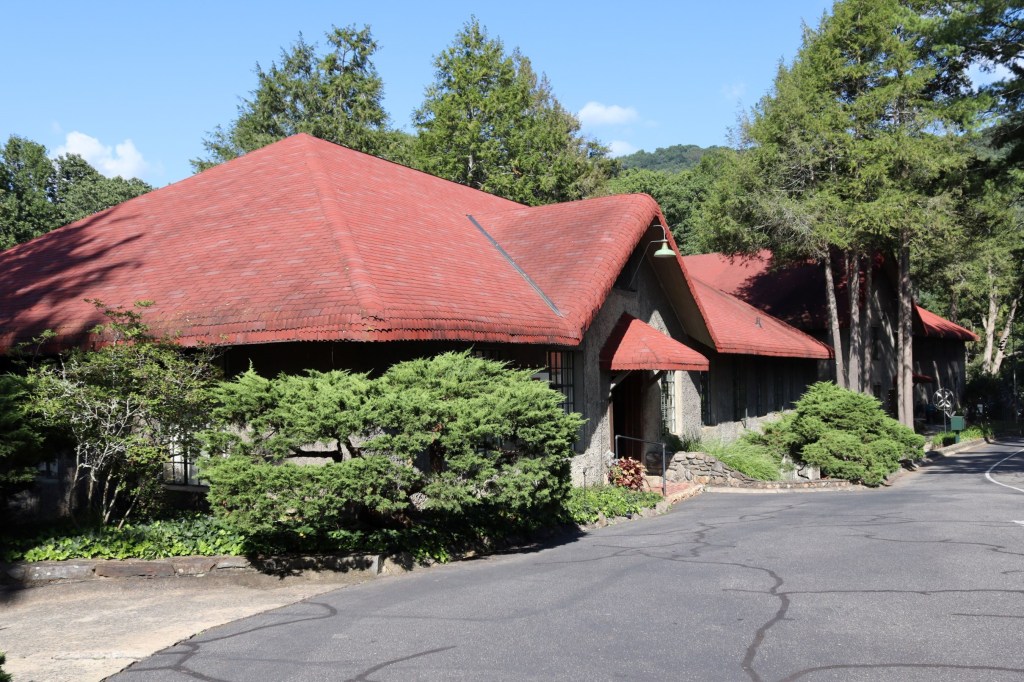
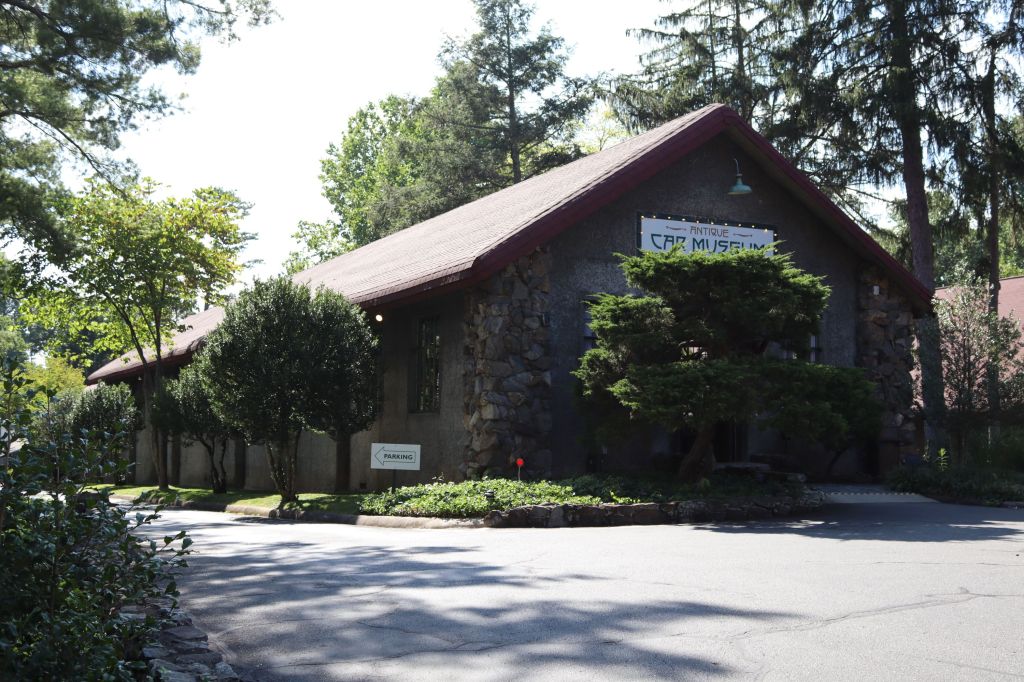
Adjacent to the Grove Park Inn is Grovewood Village, home to Biltmore Industries. Biltmore Industries was founded in 1901, and was dedicated to handmade textiles and woodworking as part of the Arts and Crafts movement. It moved to these buildings in 1917. The historic structures are now home to a restaurant, an art gallery, a museum, and a car museum.
Three-time presidential candidate William Jennings Bryan lived in this Asheville house from 1917 to 1920, moving here from his home state of Nebraska. His time in Asheville took place in between his time as Secretary of State and his lucrative career as a Florida booster. The Bryans time in Asheville was evidently not very memorable, as it was not directly mentioned in the memoirs of William Jennings and Mary Baird Bryan.
More information about Bryan can be found in A Godly Hero: The Life of William Jennings Bryan by Michael Kazin and Summer for the Gods: The Scopes Trial and America’s Continuing Debate over Science and Religion by Edward J. Larson.


The next day, I visited Biltmore Estate. It is America’s largest privately owned home, built for George Washington Vanderbilt II from 1889 to 1895.
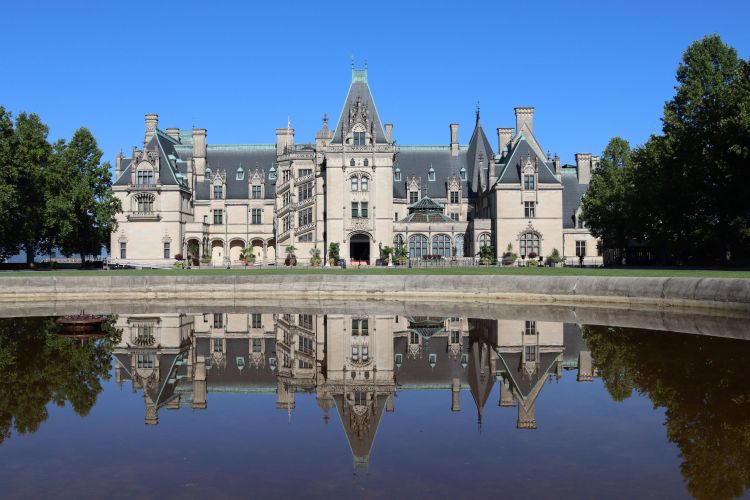


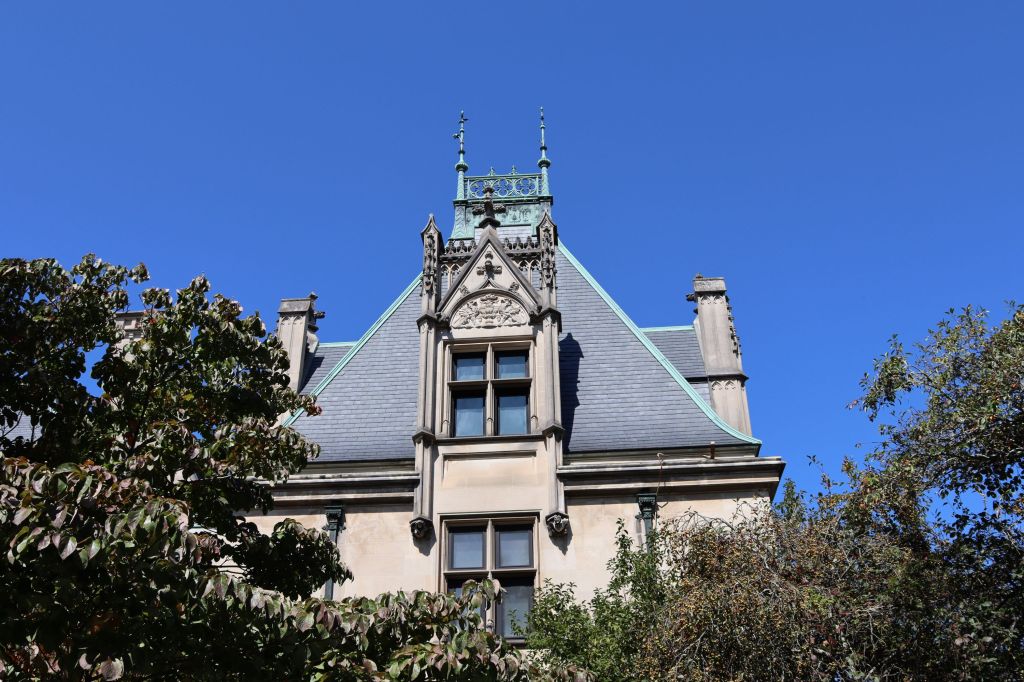
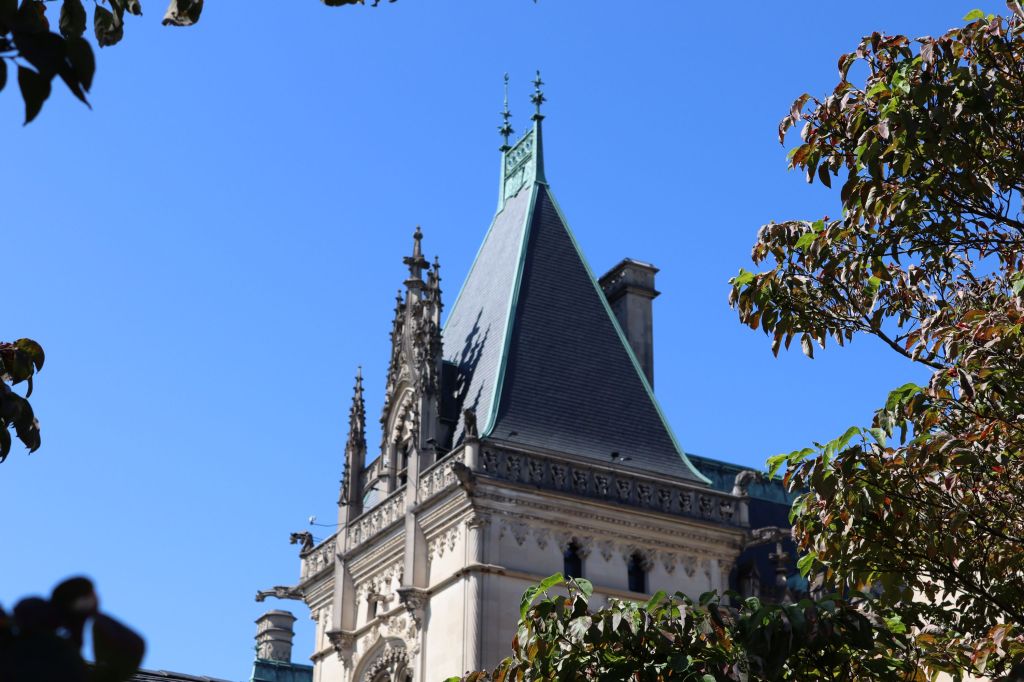
Because Biltmore was built for a Vanderbilt, several examples of the letter “V” can be seen on the house’s exterior. The builder, George Washington Vanderbilt II, was the grandson of Cornelius Vanderbilt.

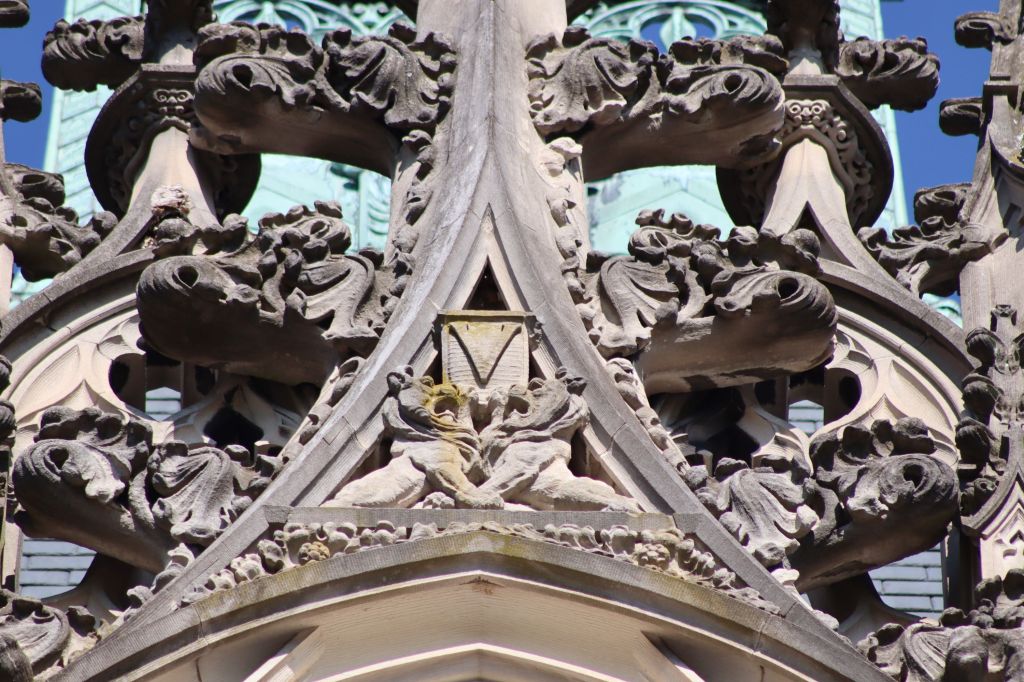


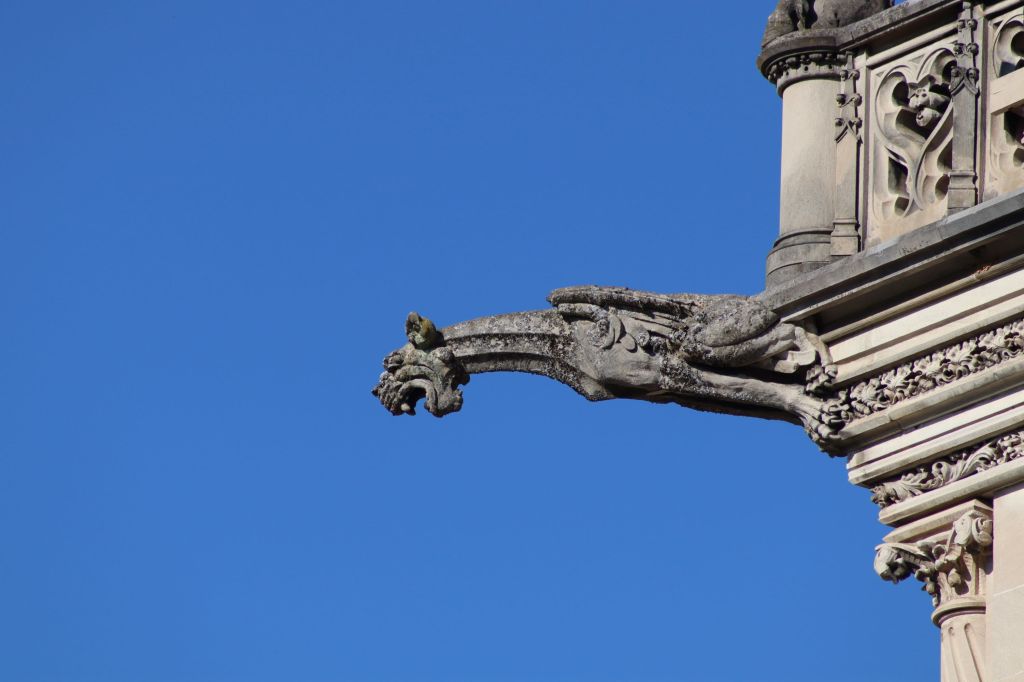
Richard Morris Hunt’s design for Biltmore is based on several chateaus of the French Renaissance. The exterior is covered in medieval details, including gargoyles and statues.


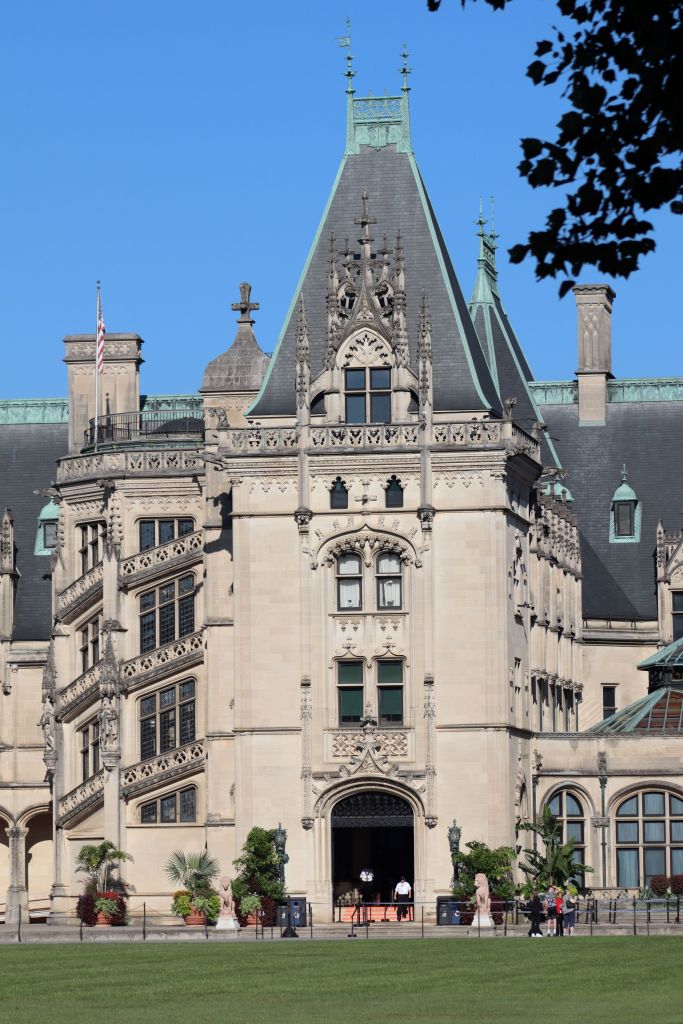
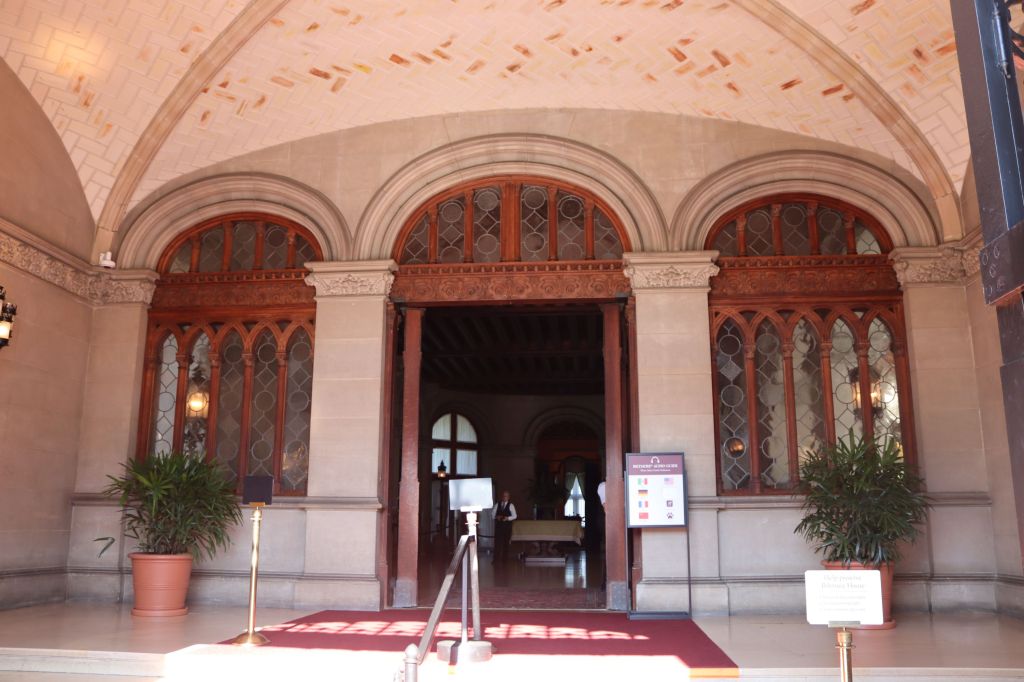
Biltmore is entered through a gateway in the central tower, which features a large portcullis-inspired door. Directly through this entrance is a reception hall.



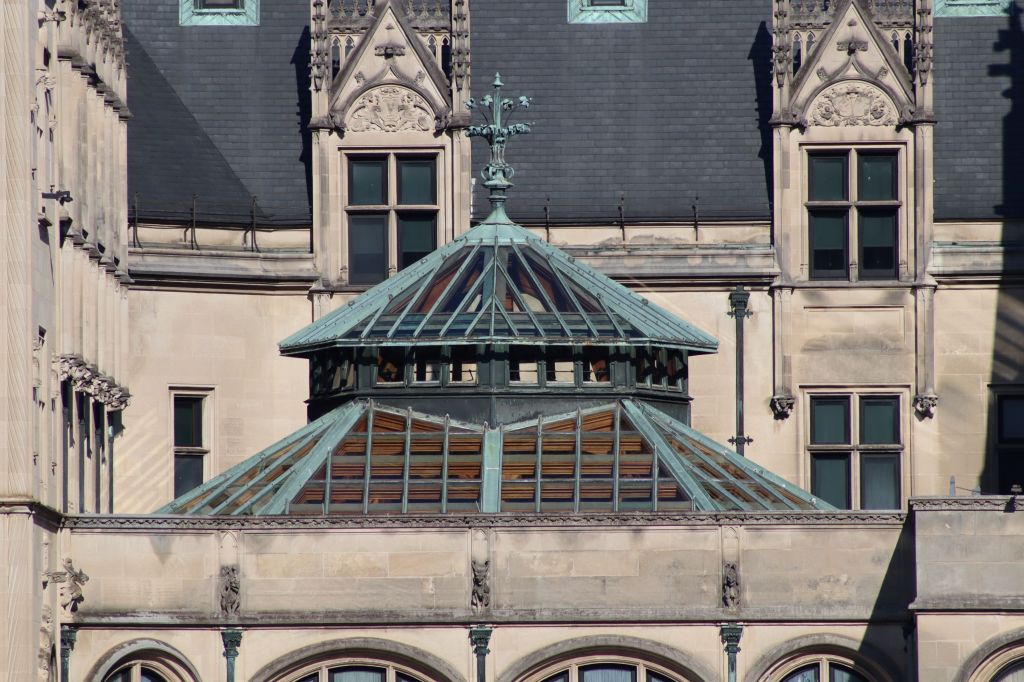
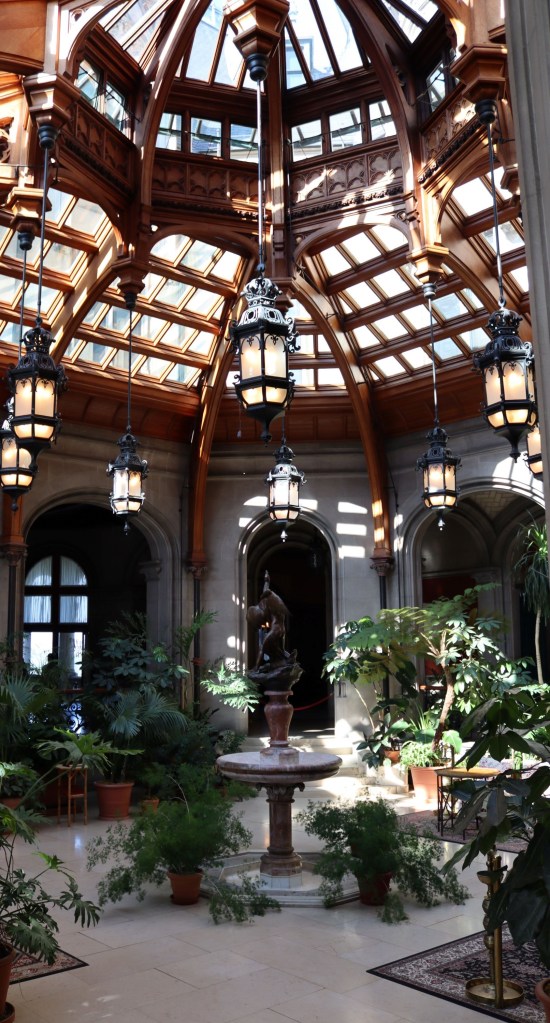
My favorite room at Biltmore is the conservatory, located near the entrance. The room has an incredible skylight that looks up on other parts of the house.


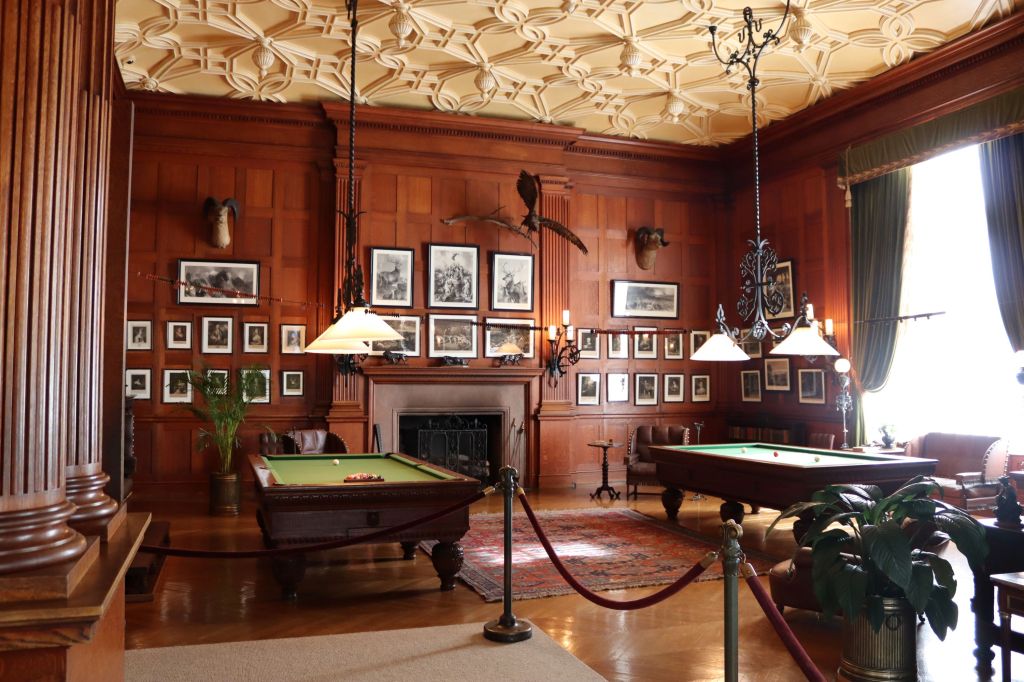
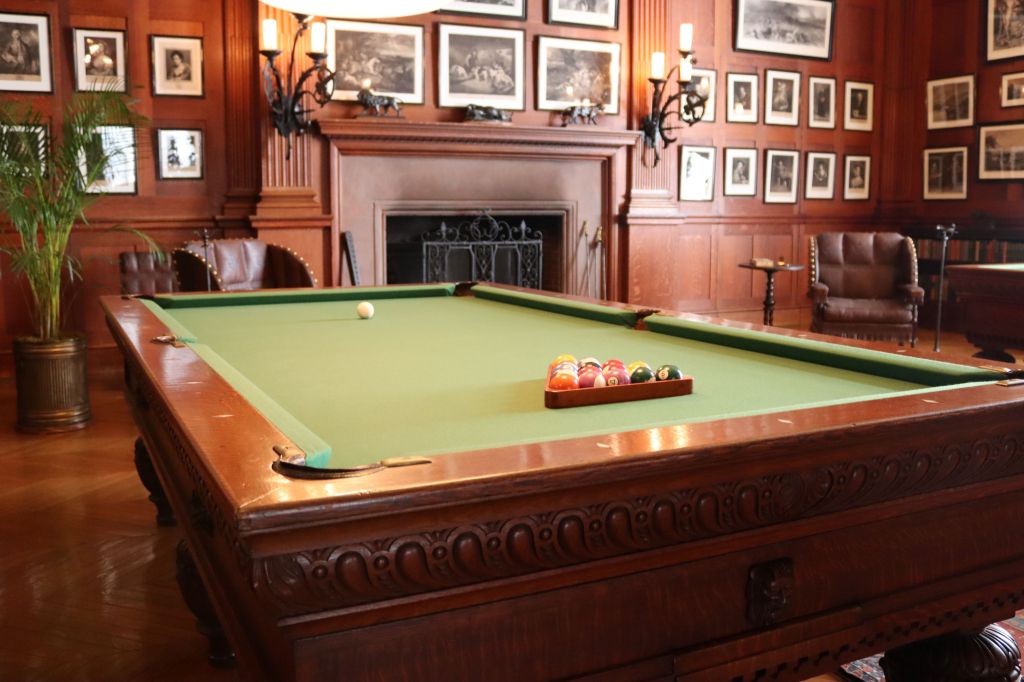
After the conservatory is the Billiard Room, with its wood paneling and elaborate ceiling. Throughout the room are historic prints and hunting trophies.

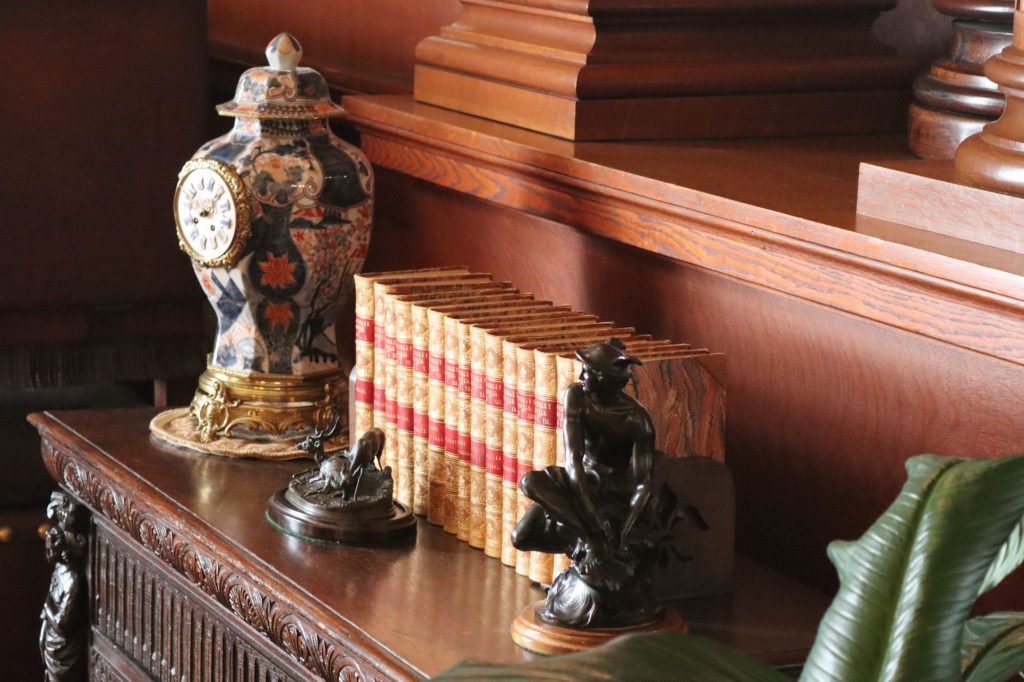
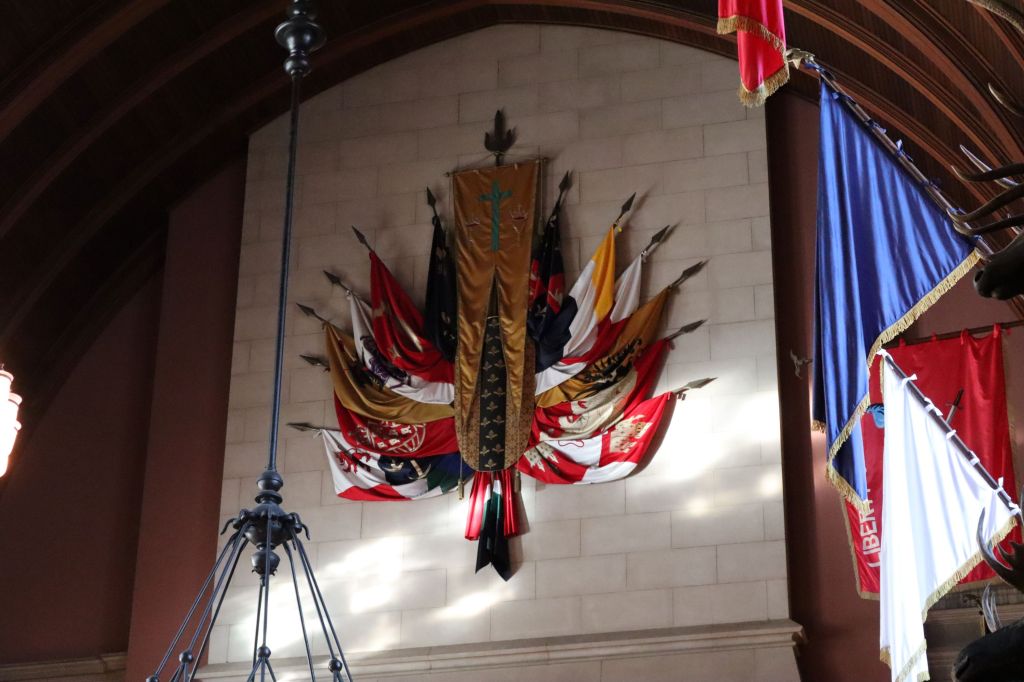
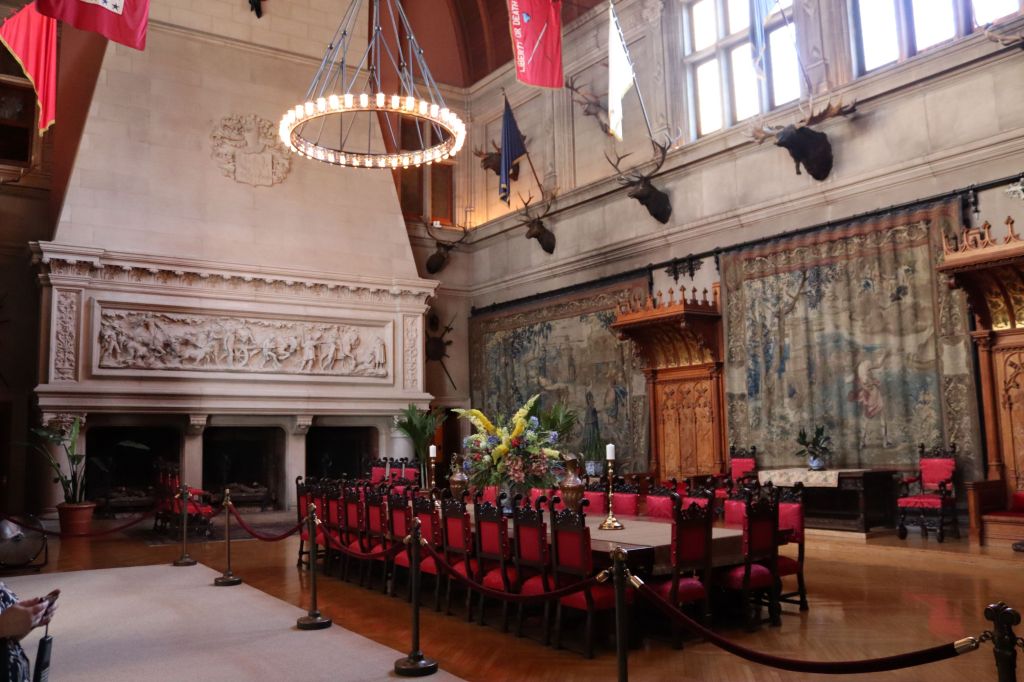
Biltmore’s Banquet Hall is easily the most spacious room in the house. The magnificent space includes a large dining table, enormous fireplace, and built-in organ.



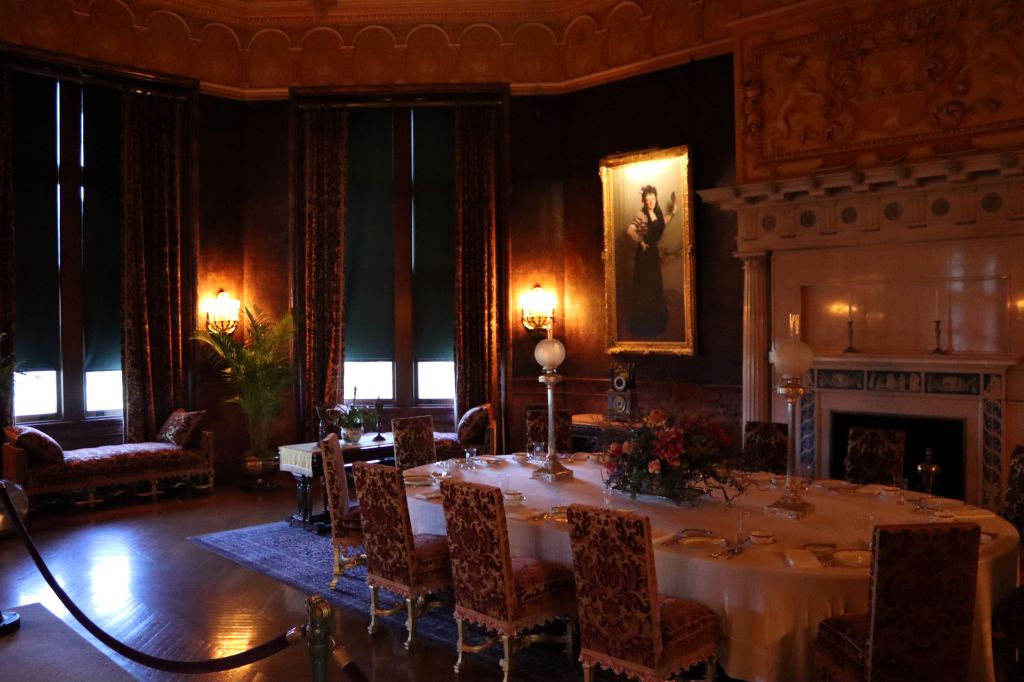
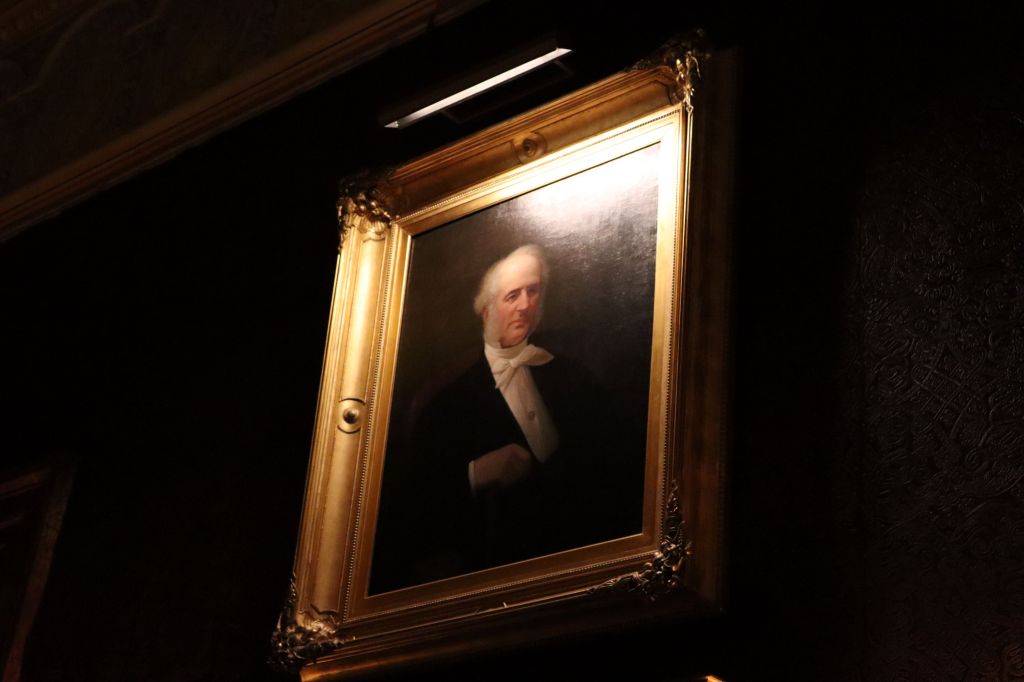
Adjoining the banquet hall of Biltmore is a breakfast room. Here, a portrait of family patriarch Cornelius Vanderbilt can be found. Past the breakfast room is the salon, with its unique textile ceiling.
For more information about Cornelius Vanderbilt, I suggest The First Tycoon: The Epic Life of Cornelius Vanderbilt by T. J. Stiles.

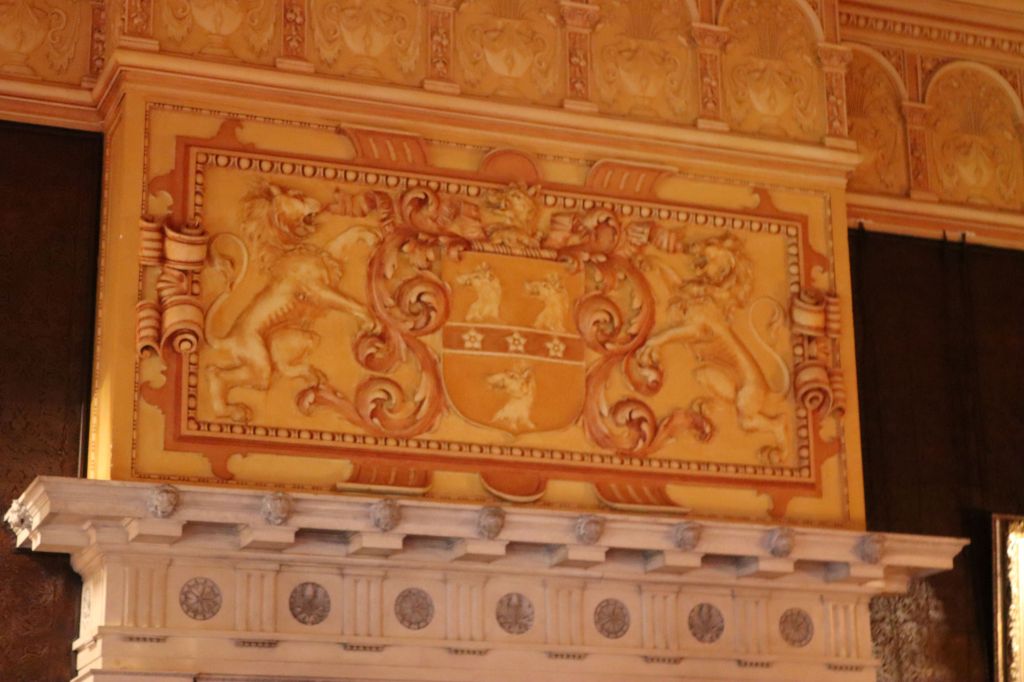
The music room at Biltmore features a woodcut print titled Triumphal Arch, commissioned by the Holy Roman Emperor Maximilian I. Albrecht Dürer, a leading figure of the German Renaissance, who worked on the print. Dürer’s birthdate, death date, and initials appear on the fireplace.


The loggia looks out on Biltmore Estate. The Vanderbilts once owned all the land from the house to the mountains in the distance. Much of the land is now Mt. Pisgah National Forest.


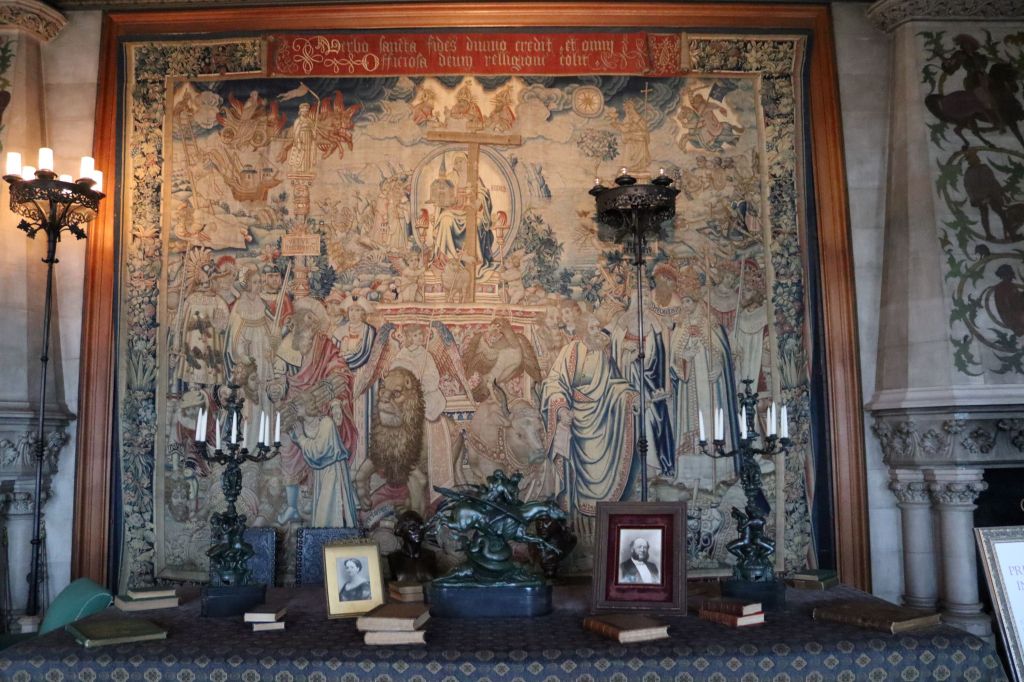
Biltmore’s Tapestry Gallery was specially designed to hold several Belgian tapestries made between 1525 and 1535. They are part of a set called The Triumph of the Seven Virtues. This long room runs parallel to the loggia.



No room at Biltmore compares to the library. George Vanderbilt was an avid reader, which is reflected in this space. Despite the multitudes of volumes on the shelves, this is only a part of the full Biltmore book collection.


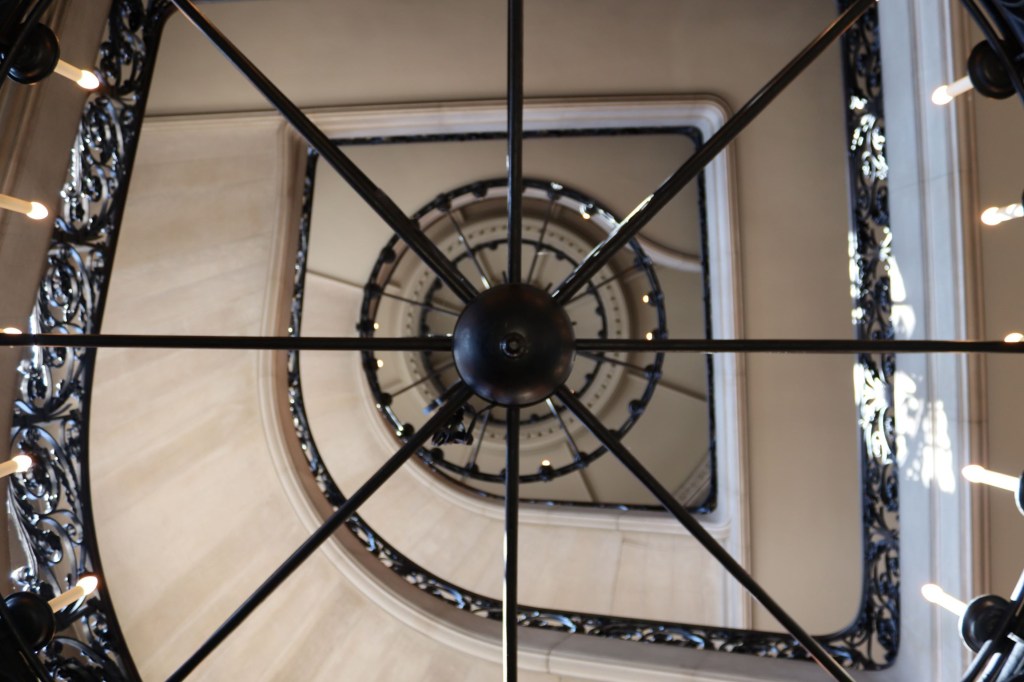
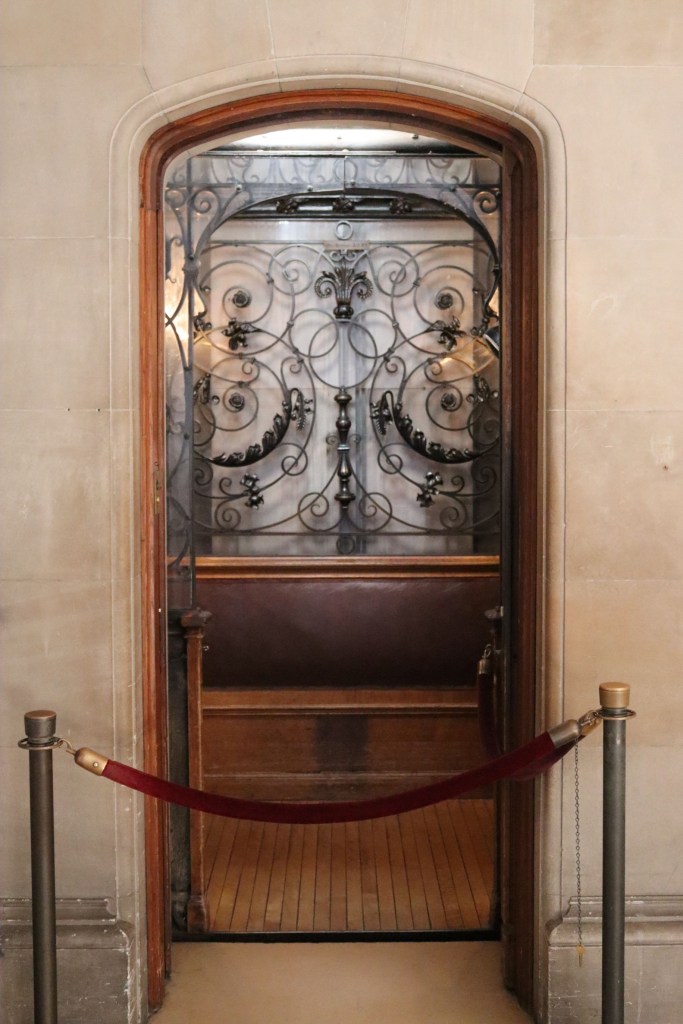
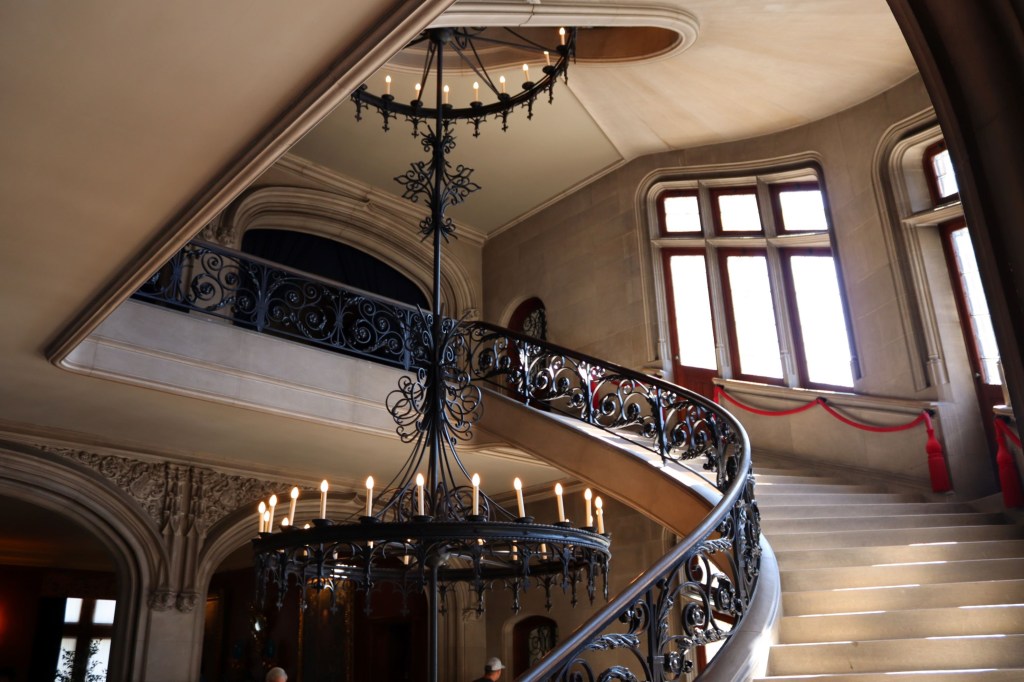
One of the most distinctive spaces of Biltmore is the staircase with its massive chandelier. The staircase travels up four floors. Additionally, there has been an elevator next to the staircase since the house was completed in 1895.



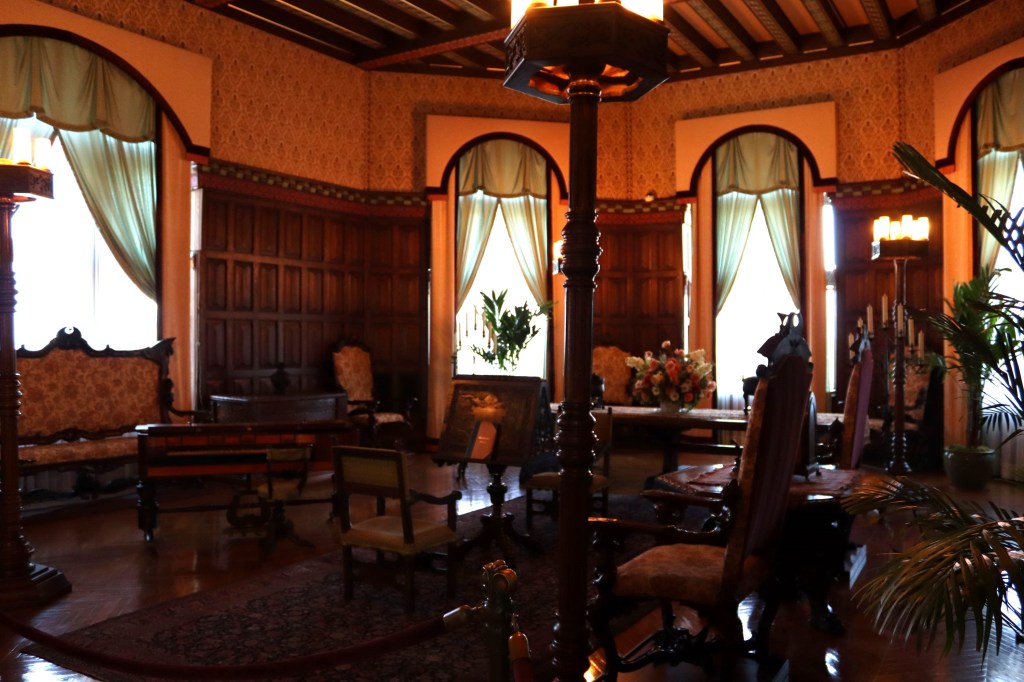
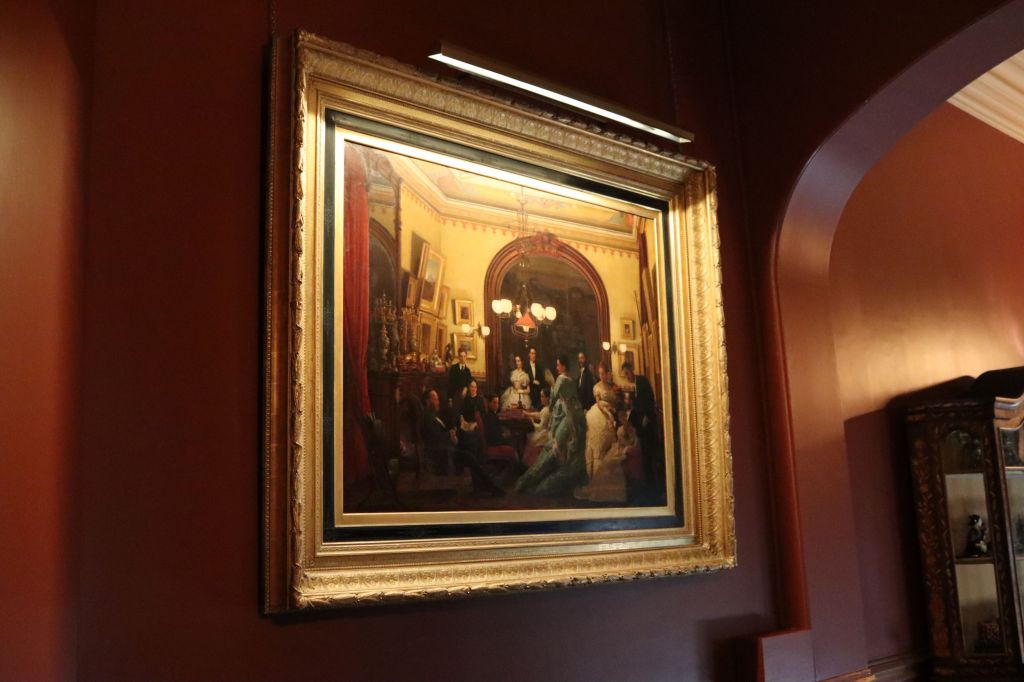
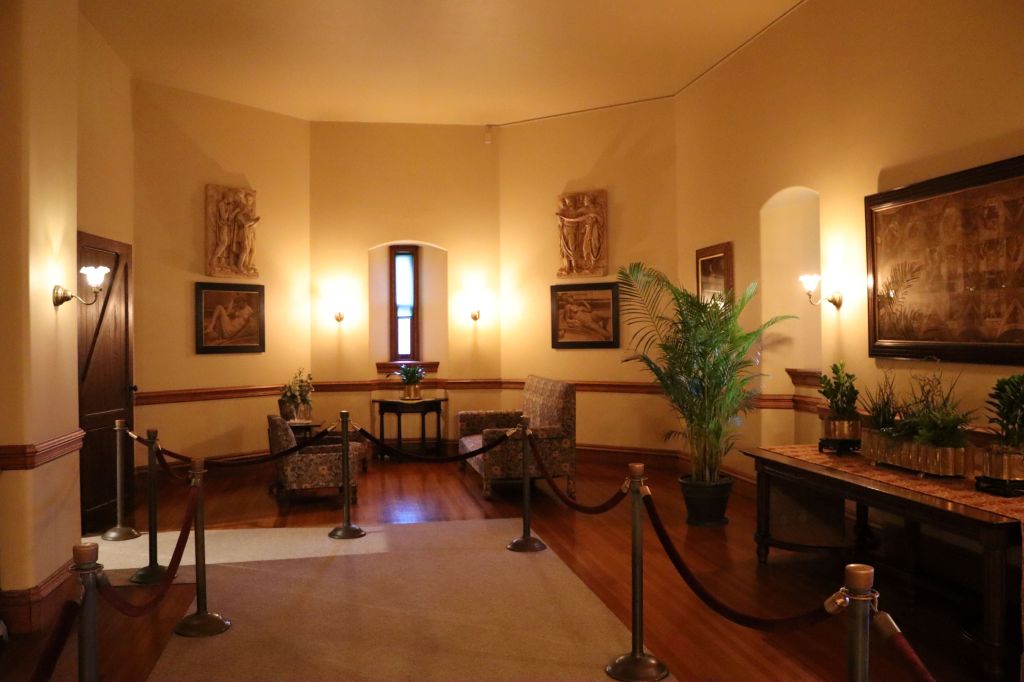
On the second floor of Biltmore is a large sitting room, featuring a large of the Cecil family (who owns Biltmore), architect Richard Morris Hunt, and landscape architect Frederick Law Olmstead. Close by is a hall with a painting of the Vanderbilts.


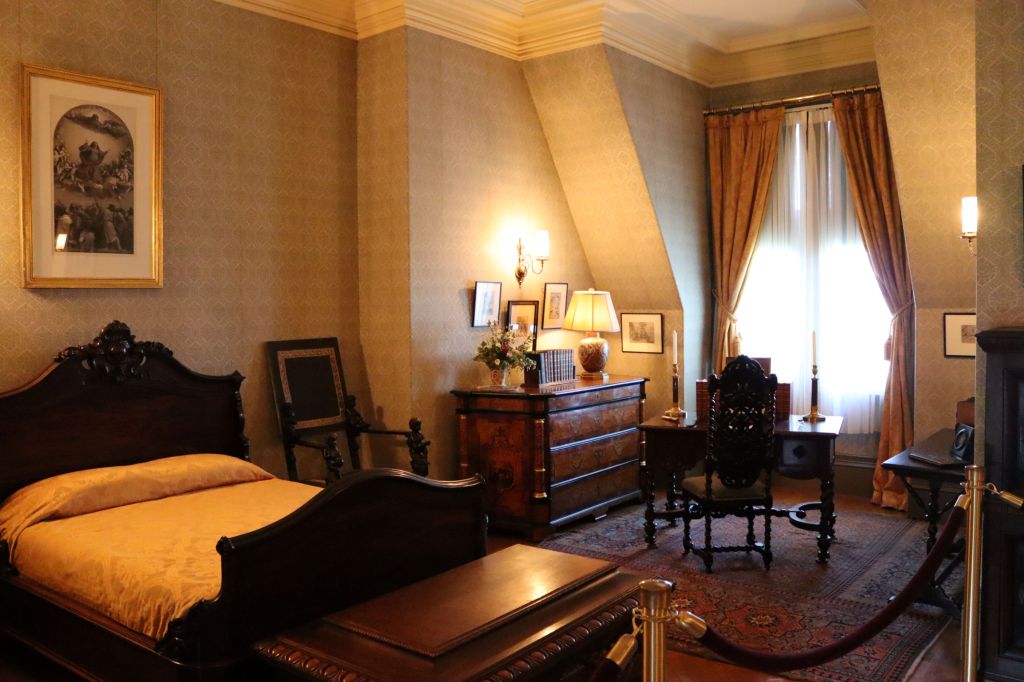
George Vanderbilt and his wife Edith had bedrooms at Biltmore joined together by a sitting room. Edith’s room is in the Louis XIV style, with prints of Louis XIV and his wife Marie Antoinette.

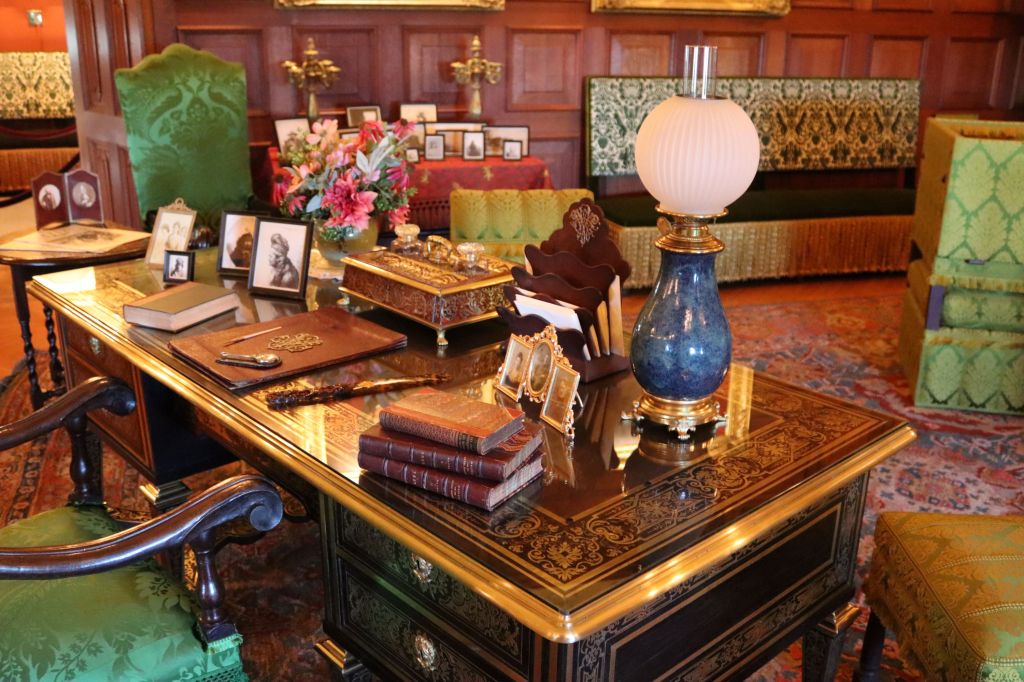
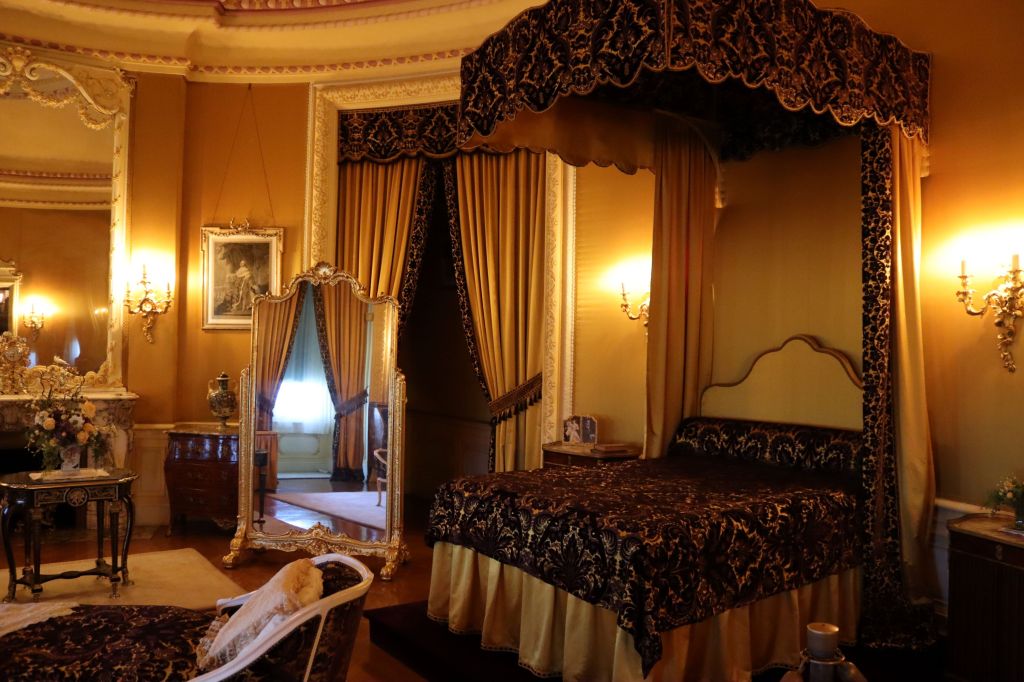
George Vanderbilt’s love of books can be seen across Biltmore, not just in the library. This hall and sitting rooms near the guest bedrooms have books lining some of the walls.
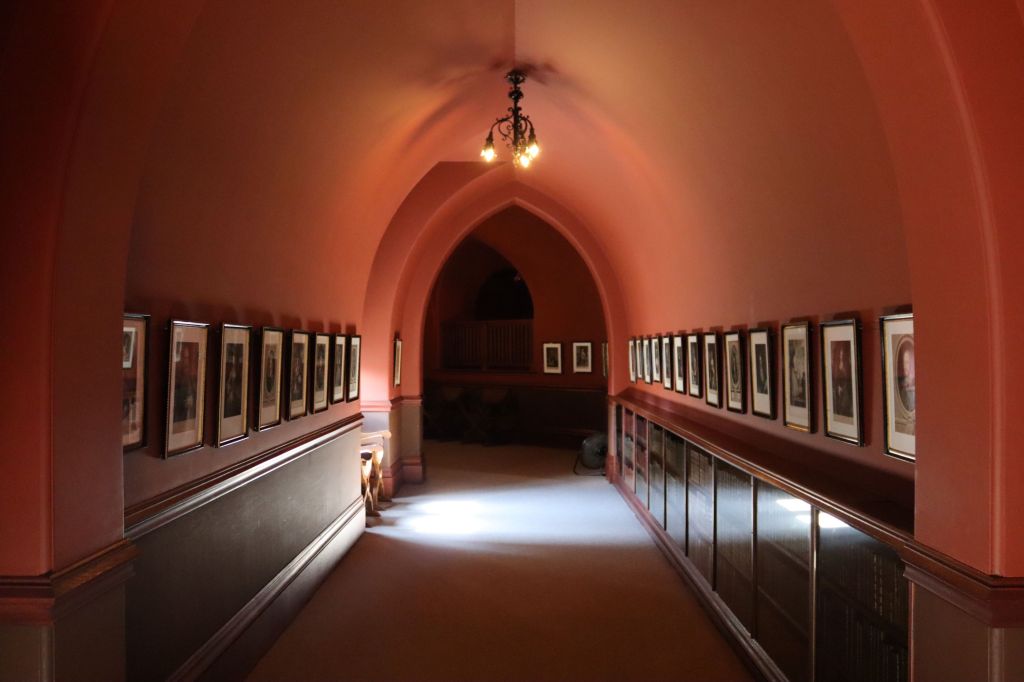


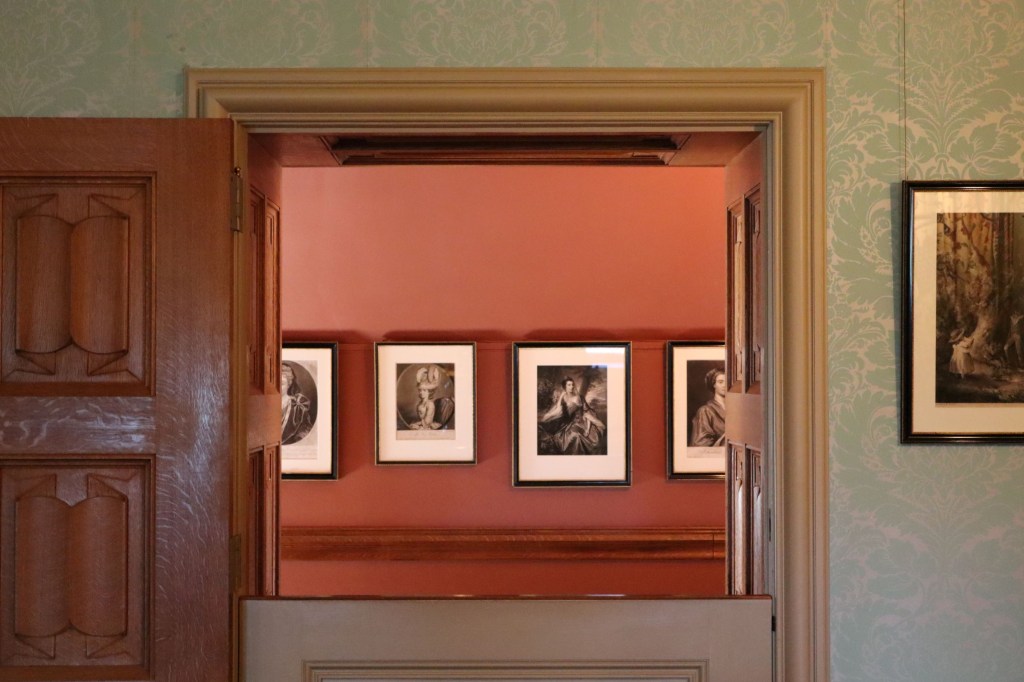
Entertaining guests was undoubtedly a factor in Biltmore’s design. The house has over 30 bedrooms; only a few were on the main house tour. In the photo of the door, you can see just how strongly built the house its with its thick walls.
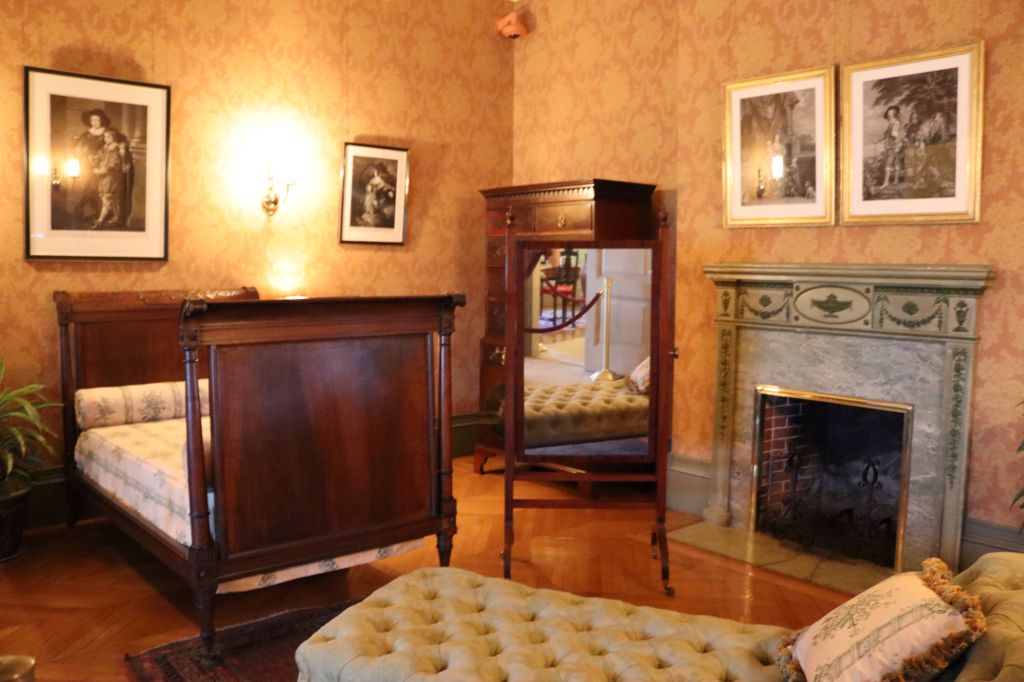
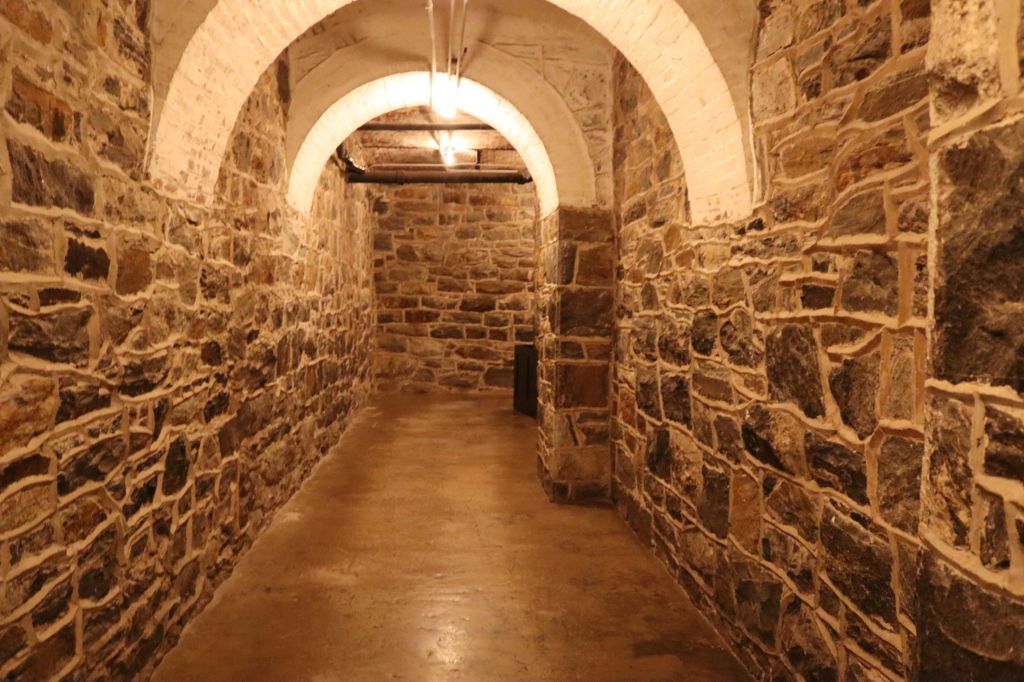
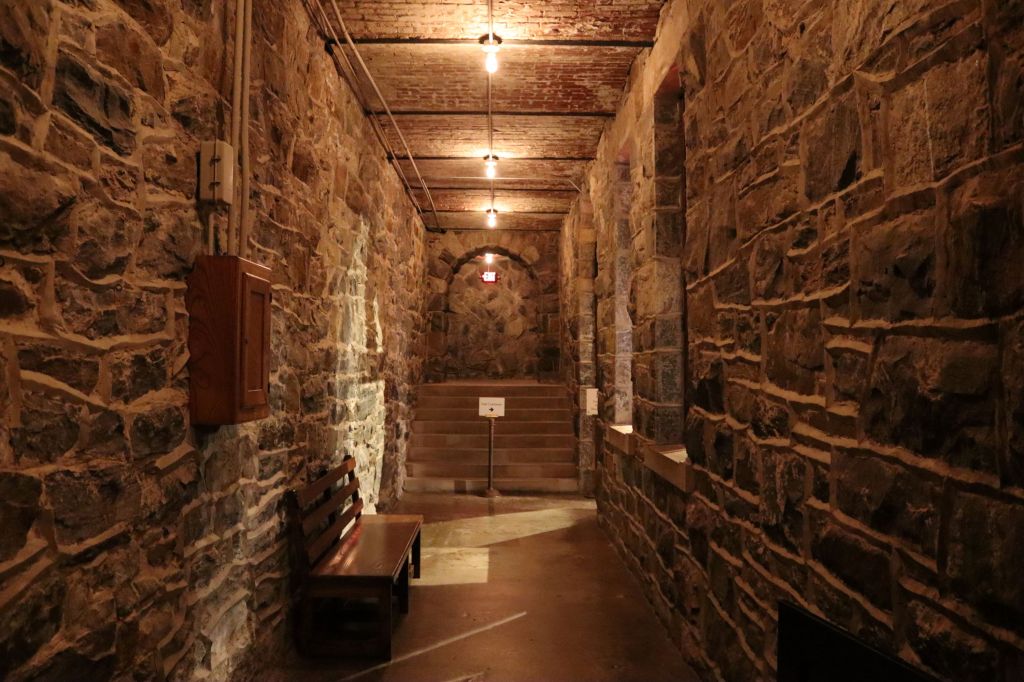
More proof of Biltmore’s solid construction can be seen in the basement. This room is called the Stone Corridor, and it cuts right through the heart of the house’s foundations.

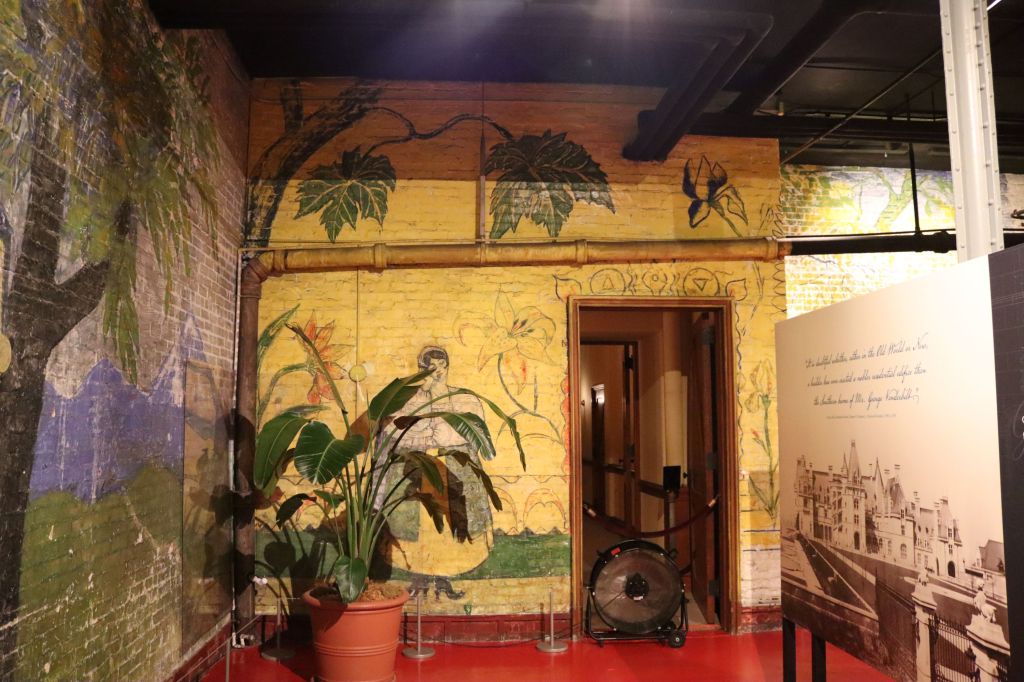
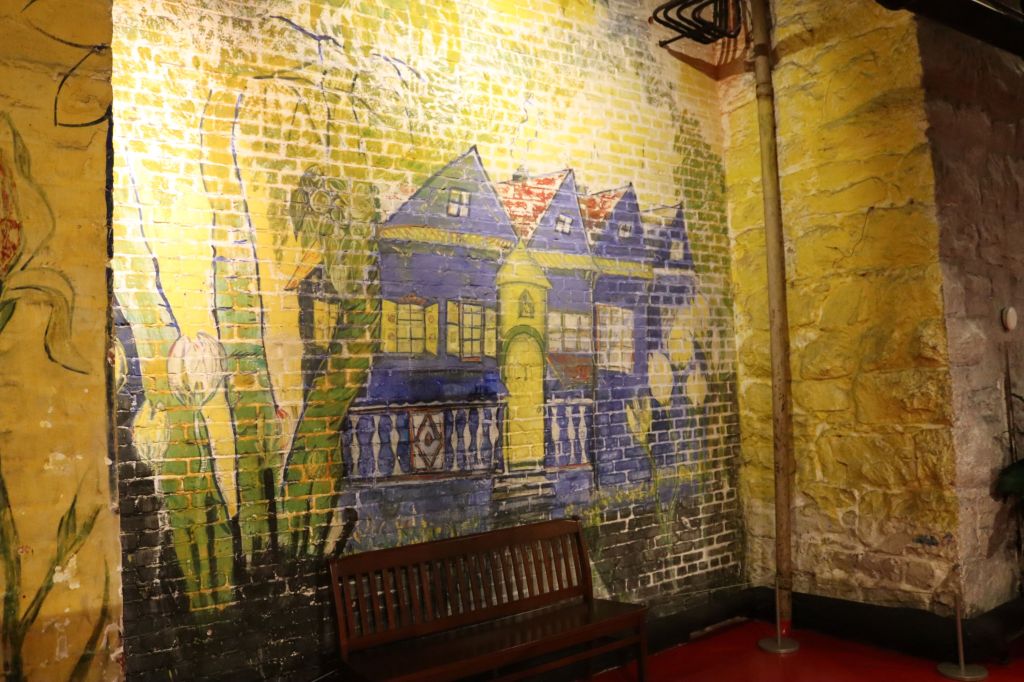
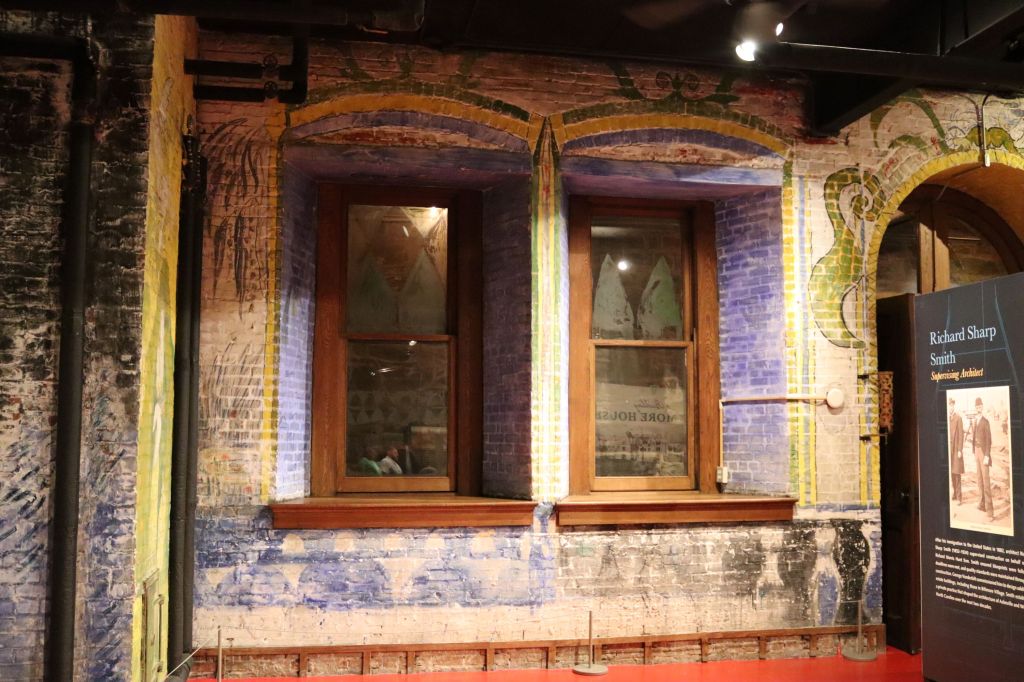
The Halloween Room at Biltmore is the most surreal room in the house. The room gets its names from the murals on the wall, which recent research has found date to a New Year’s Eve Party from 1925. (Some of the murals remind me of the contemporary film The Cabinet of Dr. Caligari). The room is now home to an exhibit on the house’s history.
Information about the room’s decoration can be found here: https://www.biltmore.com/blog/shedding-new-light-on-the-halloween-room/



The basement of Biltmore is home to many of the home’s amenities, including a two-lane bowling alley and a gymnasium.


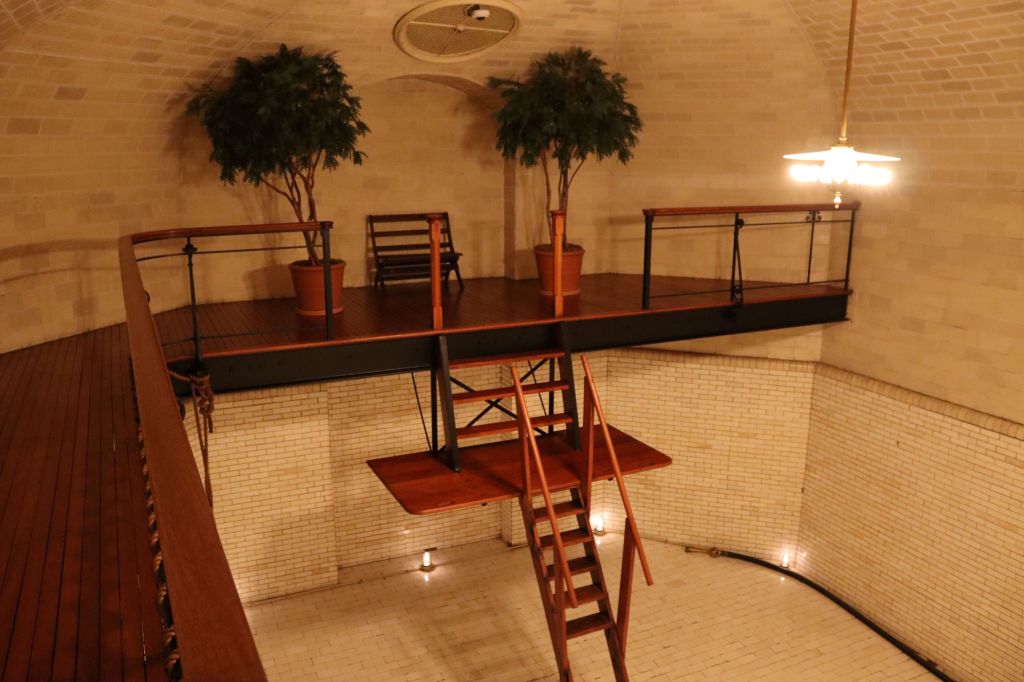
The pool in the basement of Biltmore is the most impressive room in that region of the house, especially because of its full tile work. It could hold 70,000 gallons of water.


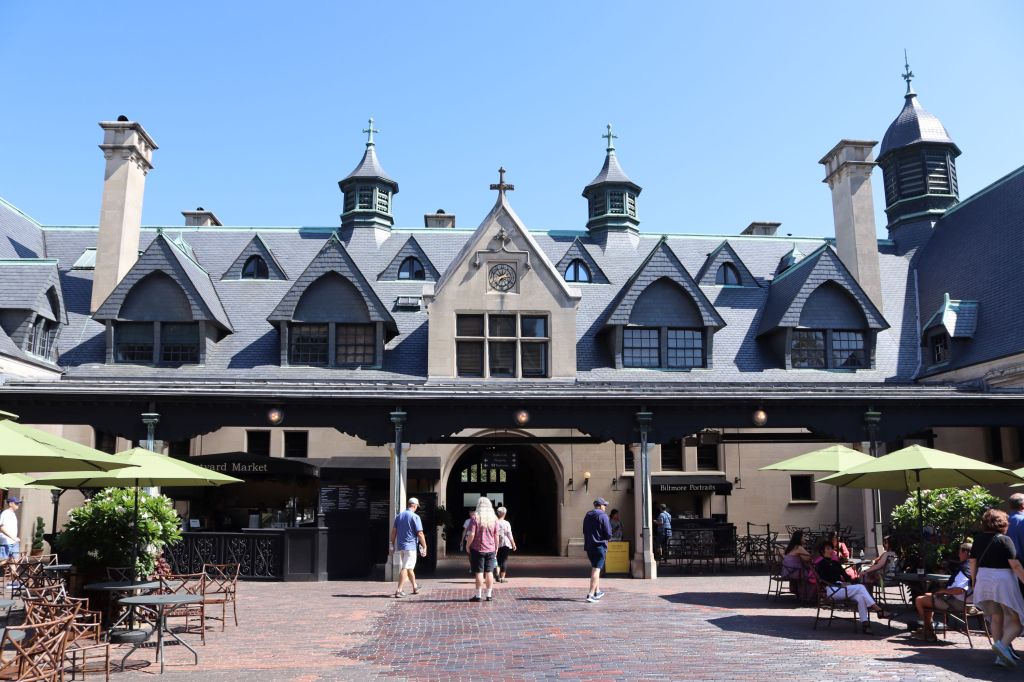
The last spot on our tour around Biltmore House was the stables. This area is now home to shops and a restaurant for visitors.


I hope that you enjoyed this photo tour around Biltmore! Be sure to follow Archive of the Past on Facebook, Instagram, or Twitter to see when I post future travel photos.

Interested in subscribing to my blog? Type your email below to be notified about new posts.
 Andrew J. Bramlett