
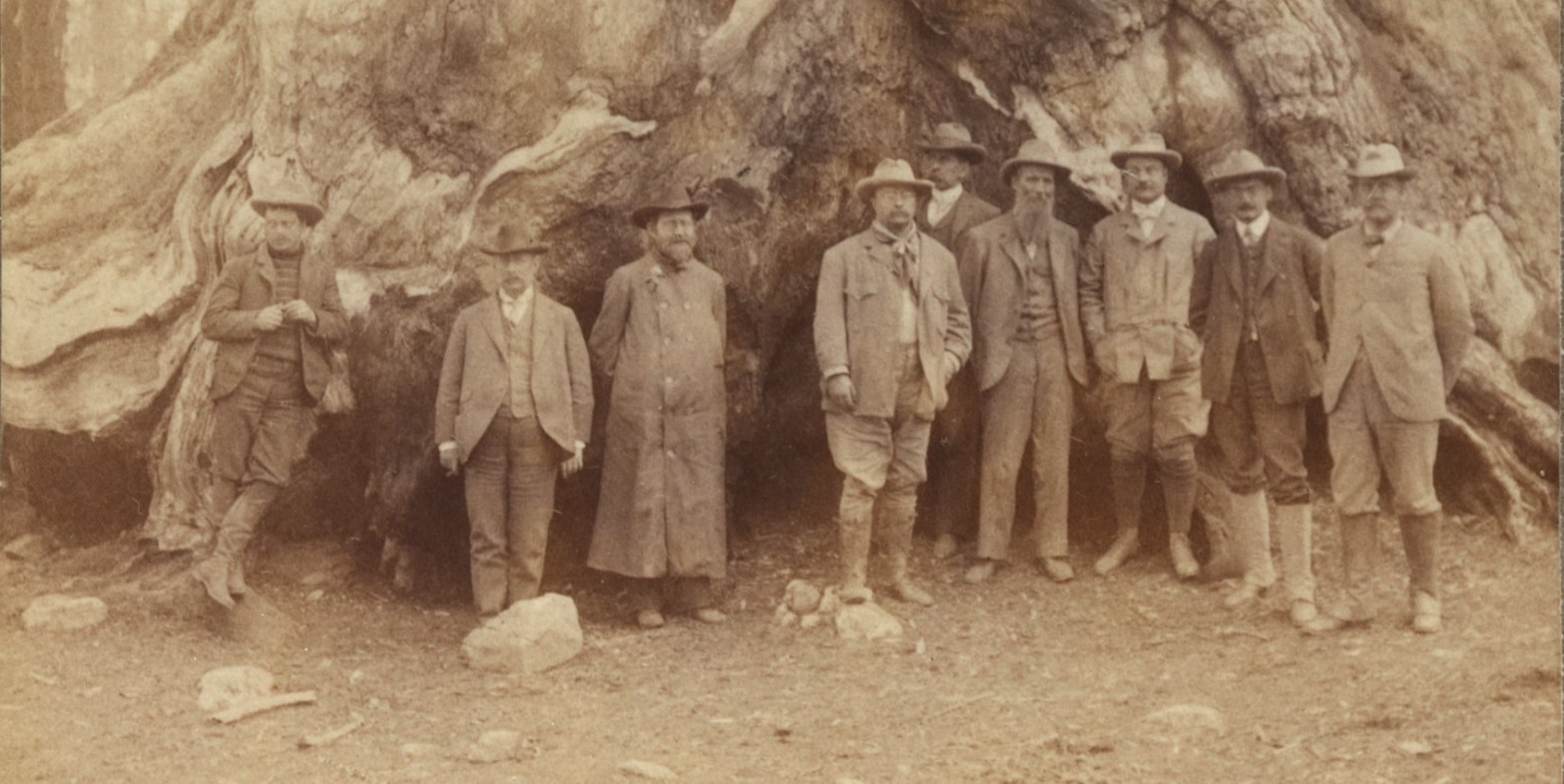
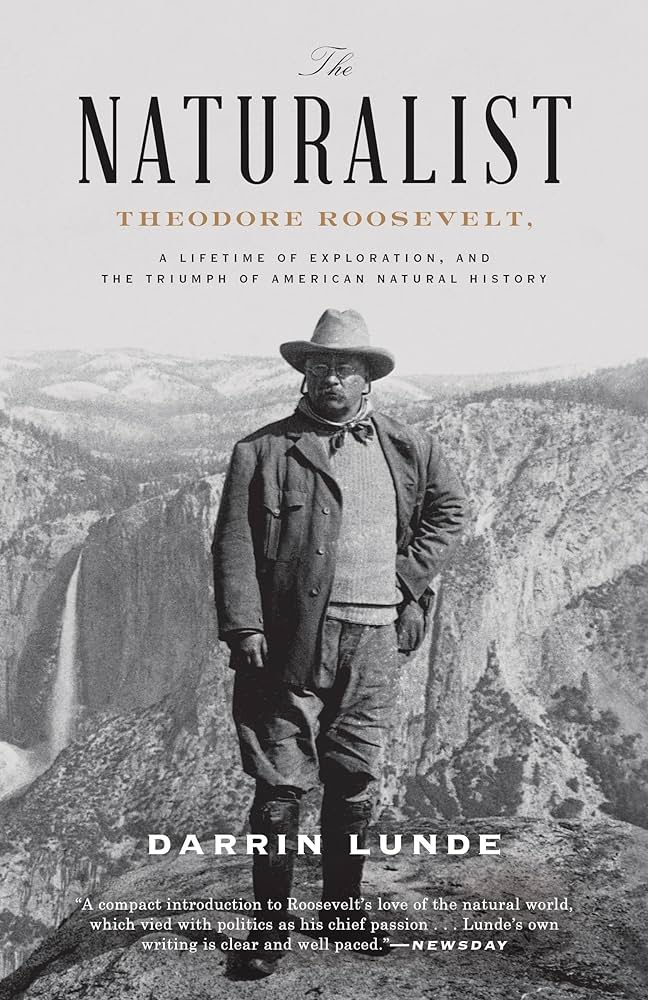
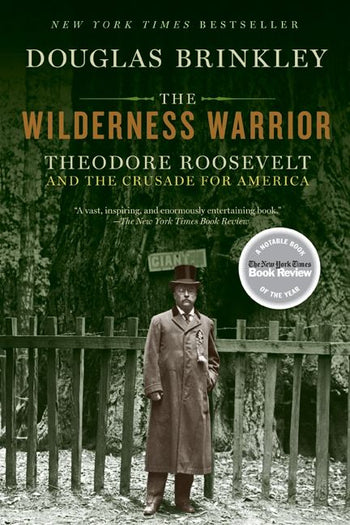
Many who know me well know I have a fascination with Theodore Roosevelt. Nature and the environment played a significant role in the persona of the “Bull Moose,” and he was always proud of his adventures across the globe. I have read several books on Roosevelt and nature, and each approaches this aspect of his life from different angles. In the order they were read, they are Theodore Roosevelt in the Field by Michael R. Canfield, The Naturalist: Theodore Roosevelt, A Lifetime of Exploration, and the Triumph of American Natural History by Darrin Lunde, and The Wilderness Warrior: Theodore Roosevelt and the Crusade for America by Douglas Brinkley.
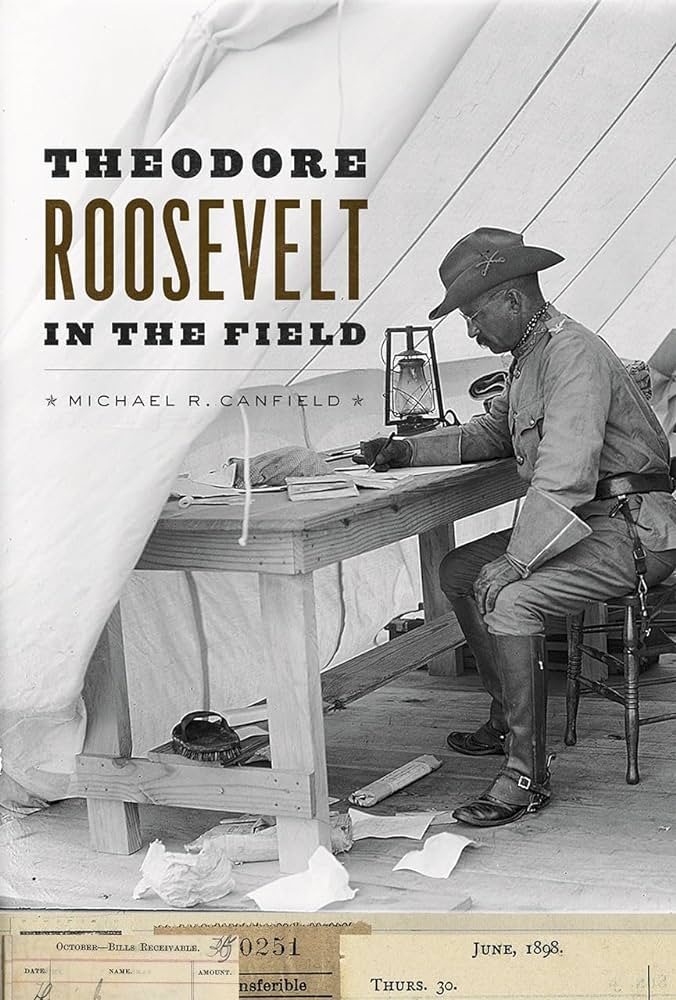
Canfield’s Theodore Roosevelt in the Field focuses on Roosevelt’s adventures and takes great care in describing his scientific process. His notes, diaries, and books are poured over in detail to reveal not just what Roosevelt did but how he recorded and analyzed it. The book covers the full breadth of Roosevelt’s life, from his early collecting in New York City to his grand trip down the Amazon.
The Naturalist is very similar to Theodore Roosevelt in the Field in scope but focuses less on Roosevelt’s notetaking. Lunde highlights his lifetime spent as a naturalist and scientist, hoping to add to the world’s knowledge of animals. The spotlight is on his relationship with the scientific community and how he remained a significant figure in American naturalist circles during his presidency. The Naturalist also highlights his role in promoting America’s wildlife to the general public. On reflection, the piece of the book that sticks out the most in my mind is Roosevelt’s crusade against the “nature fakers:” popular authors who focused on the natural world without understanding it. Like Theodore Roosevelt in the Field, this book covers the whole of Roosevelt’s life.
The last book, Brinkley’s The Wilderness Warrior, is the longest of these three works. It starts with Roosevelt’s childhood and ends when he left office in 1909. This book contains details similar to The Naturalist regarding his scientific career but expands on Roosevelt’s scientific life by sharing his conservationist actions. A central theme throughout the book is how Roosevelt’s love of birds (seen in Canfield and Lunde’s books) led to the preservation of countless acres across America. Also spotlighted here is how Roosevelt worked to preserve National Parks, National Monuments, National Forests, and more. Roosevelt’s relationship with forest advocate Gifford Pinchot is covered in detail and serves as a prologue to the rift between Roosevelt and Taft over Pinchot’s firing several years later.
Each of these books attempts to address the contradictions in Roosevelt. All three show how he spent his whole life hunting for sport, yet at the same time, he actively worked to save American wildlife from overhunting and extinction. For instance, one of his most important hunting trophies was a bison, yet few politicians worked more to save the bison from extinction. All three works do a good job of balancing these two facets of Roosevelt’s opinions. The Wilderness Warrior also dives into other contradictions, including his views on Native Americans.
Though it does not have the same scope as the three works above, one more book I have read on Roosevelt deserves to be included here. The River of Doubt: Theodore Roosevelt’s Darkest Journey by Candice Millard is devoted exclusively to the ex-president’s trip to the Amazon jungle in 1913. On the heels of his electoral defeat in 1912, Roosevelt decided to visit unexplored regions of Brazil. Traveling down the ominously named River of Doubt (now the Roosevelt River), Roosevelt and his son Kermit nearly died on the expedition. Thanks to their Brazilian guide, the progressive army officer Cândido Rondon, the Roosevelts could make it home safely. The River of Doubt covers how Roosevelt’s interest in scientific exploration led to the fateful trip but (naturally, given the subject) does not dive deeply into his earlier hunts, trips, and conservation actions.
The Roosevelt that all of these books present sought to balance the thrill of the hunt with the meticulousness of science. More than any other president, he was deeply interested in the environment and sought to better America’s understanding of the natural wonders around him. Thanks to Roosevelt’s support of the conservation movement, countless beloved sites have been preserved across the nation, and many species have been saved from the brink of extinction. It is a legacy unlike anyone else in American history.
~~~
For more information on the books I have read, check out my reading list at https://ajbramlett.com/books/
Cover image credit: National Portrait Gallery, Smithsonian Institution
 Andrew J. Bramlett
One thought on “Theodore Roosevelt and Nature”
Comments are closed.